Varanasi Turns 1,000 Rooftops Into Water Recharge Systems
A 27-year-old Indian official found 1,400 illegal wells draining Varanasi's groundwater, then invented a creative solution that turned schools and hospitals into water conservation heroes. In two years, the city's water table rose over a meter.
When Himanshu Nagpal arrived as Varanasi's chief development officer, the numbers didn't add up. The district issued just 30 groundwater permits yearly, yet nearly 700 illegal wells appeared every year.
Indian law requires anyone pumping groundwater to install rainwater harvesting systems that replenish what they take. In Varanasi, almost no one followed this rule.
Nagpal's team surveyed commercial properties and found 1,435 illegal wells. They sealed 150 and cut power to the rest. Within weeks, 800 panicked companies rushed to apply for permits.
Then came the problem. Nearly all claimed they lacked roof space for harvesting systems.
During a routine meeting about campus flooding, a college principal gave Nagpal an idea. What if companies funded rainwater systems on public buildings instead of their own? Schools would solve their waterlogging problems, and businesses would meet legal requirements.
The solution worked beautifully. Today, over 1,000 government buildings across Varanasi harvest rainwater. Companies funded 70 percent of them.
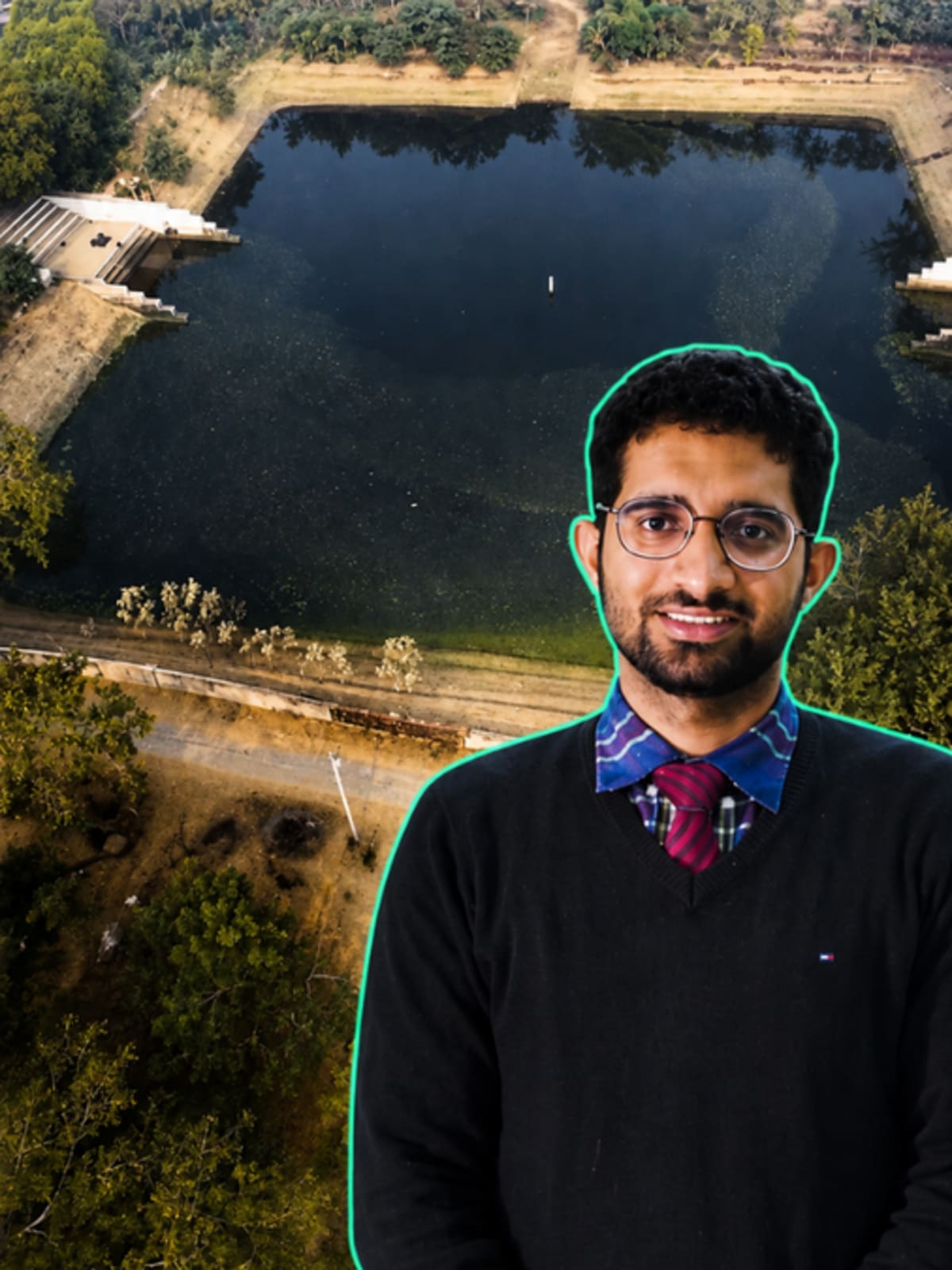
But Nagpal didn't stop there. His team revived the Naad river, which had turned into an industrial drain. They built check dams and ponds across 30 kilometers, cutting waterborne diseases in 39 nearby villages.
They created 393 artificial ponds for water storage. They installed soak pits around 6,000 handpumps to capture runoff. Working with scientists from IIT-BHU and the World Wildlife Fund, they mapped and restored wetlands that now stay full year-round.
The Ripple Effect
The results stunned everyone. Varanasi's water table rose from 0.8 to 1 meter in just two years.
Pindra block, once officially classified as critically water-stressed, recovered so dramatically it lost its "dark zone" status. That area alone saw the water table rise 1.7 meters after the river revival.
The entire program cost 80 crore rupees (about $10 million), but it bought something priceless: water security for millions. Farmers who once watched crops wither now have reliable groundwater. Families who walked kilometers for clean water now find it in their own wells.
The model proves that creative thinking beats heavy spending. Nagpal didn't build massive new infrastructure. He connected existing problems to create mutual solutions, turning every school roof into a water bank and every abandoned wetland into a natural reservoir.
As India faces deepening water crises, hundreds of districts could copy this blueprint tomorrow.
Based on reporting by The Better India
This story was written by BrightWire based on verified news reports.
Spread the positivity!
Share this good news with someone who needs it