Widowed at 10, She Became a Doctor Serving Two Continents
Dr. Sarladevi Khot was married at nine and widowed at 10 in 1897 India, but her grandfather's promise to let her keep studying changed everything. She became one of the first Indian female doctors, delivered her own baby in Tanzania, and spent decades serving mothers and children across two continents.
A 16-year-old nanny watched in amazement as Dr. Sarladevi Khot calmly instructed her to boil water and prepare scissors. With her husband away treating patients in 1932 Tanzania, Sarladevi was about to deliver her own baby, alone.
This wasn't the first impossible thing Sarladevi had accomplished. Born in 1897 to a farming family in Maharashtra, India, she was married at nine years old and widowed at 10.
Most girls in her position would have faced a life of restrictions and poverty. But Sarladevi's grandfather made her a promise that changed everything: she could continue her education.
That promise carried her through years of study and into medical school. By the 1920s, she had become a doctor at a time when Indian women rarely entered the profession.
In 1929, Sarladevi and her husband moved to Tanganyika, now Tanzania, where she served under the British Crown. She was the only female Indian doctor among her colleagues, focusing her practice on mothers and children who desperately needed care.
Her work there lasted over a decade. When World War II began, the couple returned to India in 1942 and settled in Ranebennur, Karnataka.
Sarladevi opened a small maternity home where local families could receive affordable care. She continued treating patients and delivering babies for years, building a reputation for skill and compassion.
Why This Inspires
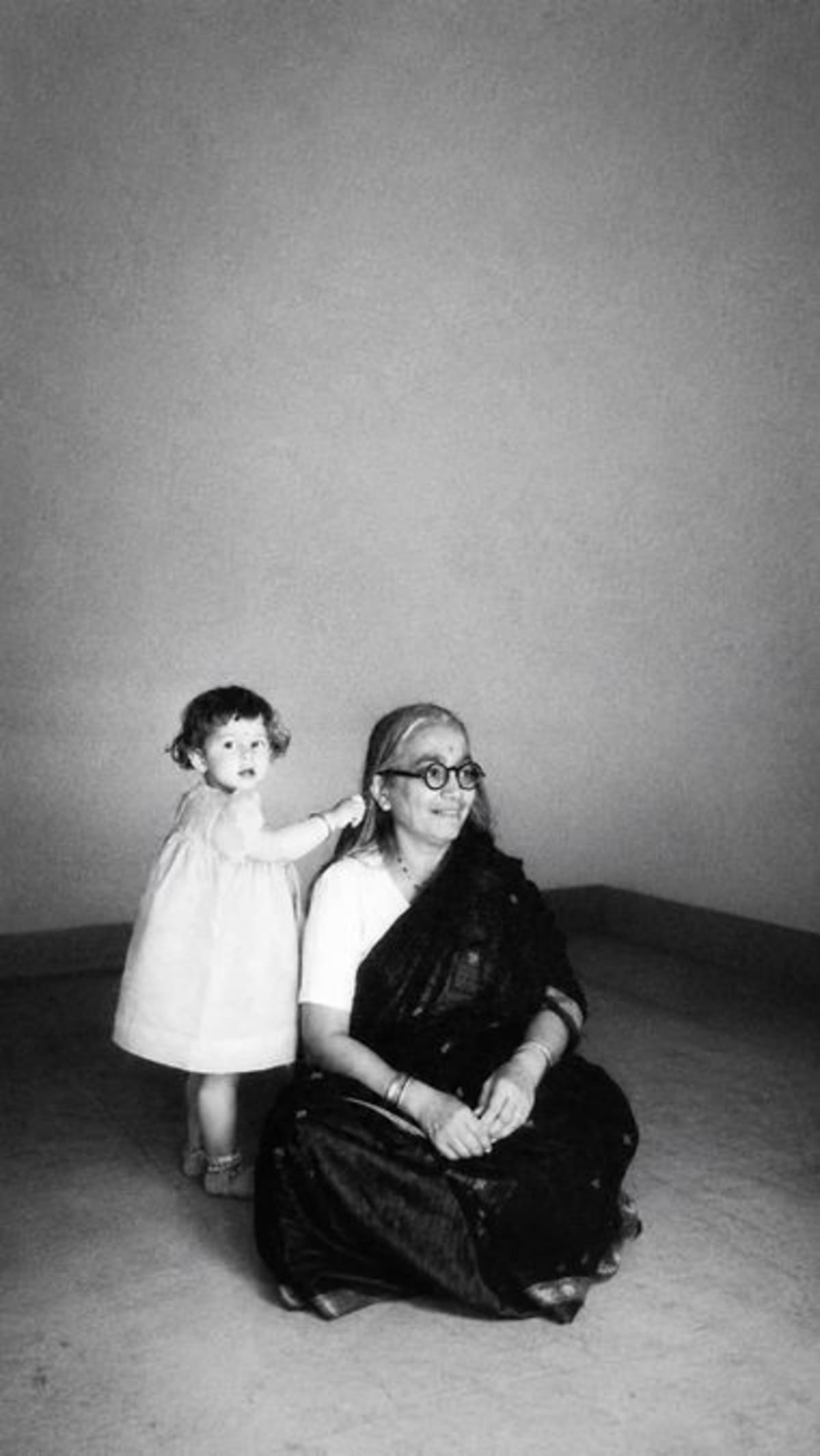
Her granddaughter, Dr. Nilima Kadambi, grew up hearing these stories at family gatherings. When Nilima fell ill during her first year of medical school, Sarladevi refused to let her quit or take a break.
Nilima passed every subject, carrying forward the same determination her grandmother had shown decades earlier. By 2011, at age 63, Nilima realized these memories were too precious to lose.
She wrote "My Ajji and I," documenting her grandmother's journey from child widow to pioneering physician. The book preserves not just family history but a testament to what one promise and one determined woman could accomplish.
Sarladevi's lamp still burns bright through the generations she inspired. Her story reminds us that the obstacles we face today don't define our tomorrow.
Based on reporting by The Better India
This story was written by BrightWire based on verified news reports.
Spread the positivity!
Share this good news with someone who needs it