India Approves 7 Subways to End Deadly Track Crossings
Thousands of Indian commuters have been risking their lives daily by crossing active railway tracks to reach schools, hospitals, and markets. Eastern Railway just approved seven new underground passages that will finally give them a safe way across.
For years, residents in West Bengal's suburban and rural areas faced an impossible choice: risk crossing live railway tracks or walk several kilometers out of their way to reach essential services.
That dangerous reality is about to change. On June 13, the Sealdah Division of Eastern Railway approved seven new underground pedestrian subways at the most critical crossing locations, where people have been illegally but necessarily trespassing across active tracks.
The decision came after extensive field surveys revealed the sobering truth. At all seven locations, railway officials observed substantial pedestrian and vehicle traffic, including motorcycles, e-rickshaws, four-wheelers, and countless people on foot using unauthorized crossings. The reason was simple: there was no other practical option.
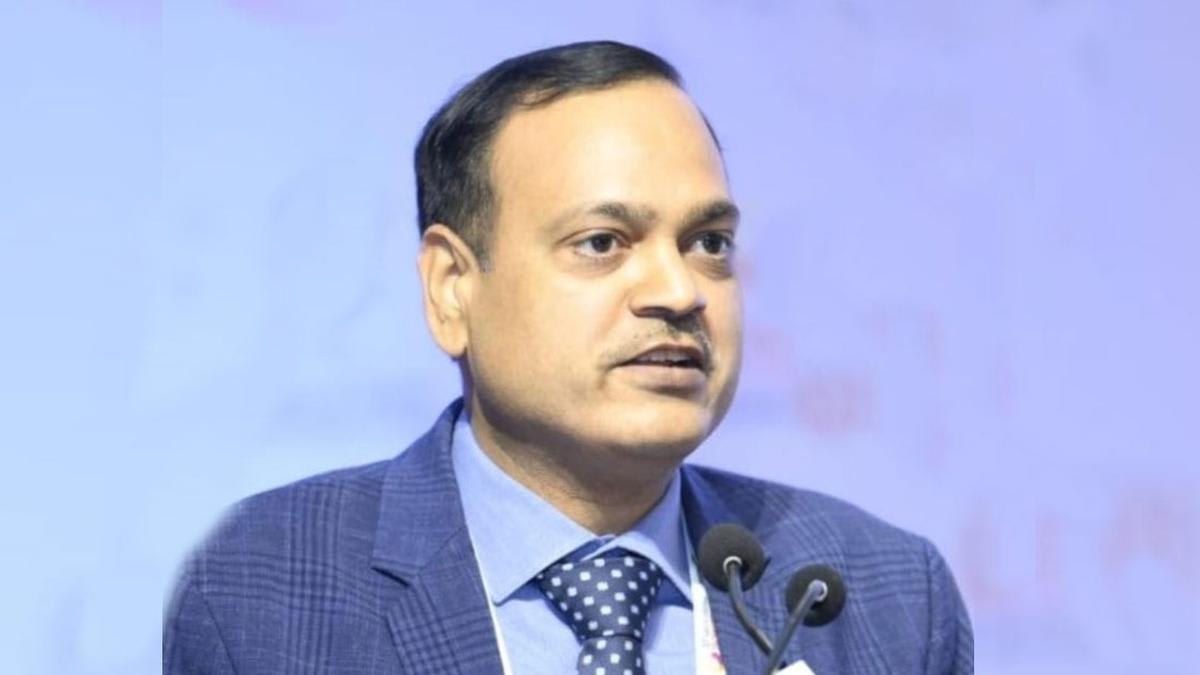
"Many of these locations are situated several kilometers away from the nearest level crossing gates, leaving residents with limited options to reach hospitals, schools, markets, banks, government offices and other essential facilities," explained Rajeev Saxena, the Divisional Railway Manager of Sealdah Division.
The seven subways will be built at critical points across multiple railway sections, including routes connecting Ranaghat to Gede, Lakshmikantapur to Namkhana, and Sonarpur to Baruipur. Each reinforced concrete structure will allow pedestrians and local vehicles to pass safely beneath the tracks, creating complete separation between rail and road traffic.
The Ripple Effect
This infrastructure investment does far more than prevent accidents. For families in these communities, the subways mean children can walk to school without their parents' hearts racing. It means someone having a medical emergency can reach the hospital quickly instead of taking a dangerous detour or risking the tracks.
Local healthcare workers, teachers, and small business owners who currently factor in the daily gamble of track crossing will suddenly have reliable, safe passage. Emergency vehicles will have direct access to neighborhoods that were effectively cut off whenever they needed help most.
The project represents a fundamental shift in how railway safety is approached. Rather than simply punishing trespassers or posting warning signs, officials identified why people were taking such risks and engineered a solution that respects both safety and community needs.
Construction timelines haven't been announced yet, but the approval marks the end of a long consultation process involving safety evaluations, traffic assessments, and input from local residents who have been waiting for this solution.
Thousands of daily commuters will soon cross railway lines without risking everything.
Based on reporting by The Hindu
This story was written by BrightWire based on verified news reports.
Spread the positivity!
Share this good news with someone who needs it