India Bans Forced Labor Imports in Major Trade Reform
India just banned imports of goods made with forced labor, joining a growing global movement for ethical trade. The historic policy shift could reshape supply chains across South Asia while clearing the path for a major trade deal with the United States.
India took a powerful stand for workers' rights by officially banning the import of any goods made using forced labor, marking one of the country's most significant trade policy reforms in decades.
The Ministry of Commerce and Industry announced the prohibition will apply to any products manufactured wholly or in part through forced labor. The government defined it using international standards: work extracted under threat of penalty from people who haven't volunteered freely.
The timing matters. The United States has been investigating 54 countries, including India, over concerns they haven't done enough to stop forced labor goods from entering their borders. The draft U.S. report proposed a 12.5% tariff on imports from these nations, creating uncertainty for businesses and governments alike.
India responded not with protests alone, but with action. Commerce Secretary Rajesh Agrawal confirmed India has submitted its response to U.S. officials and implemented this new ban to demonstrate serious commitment to ethical trade practices.
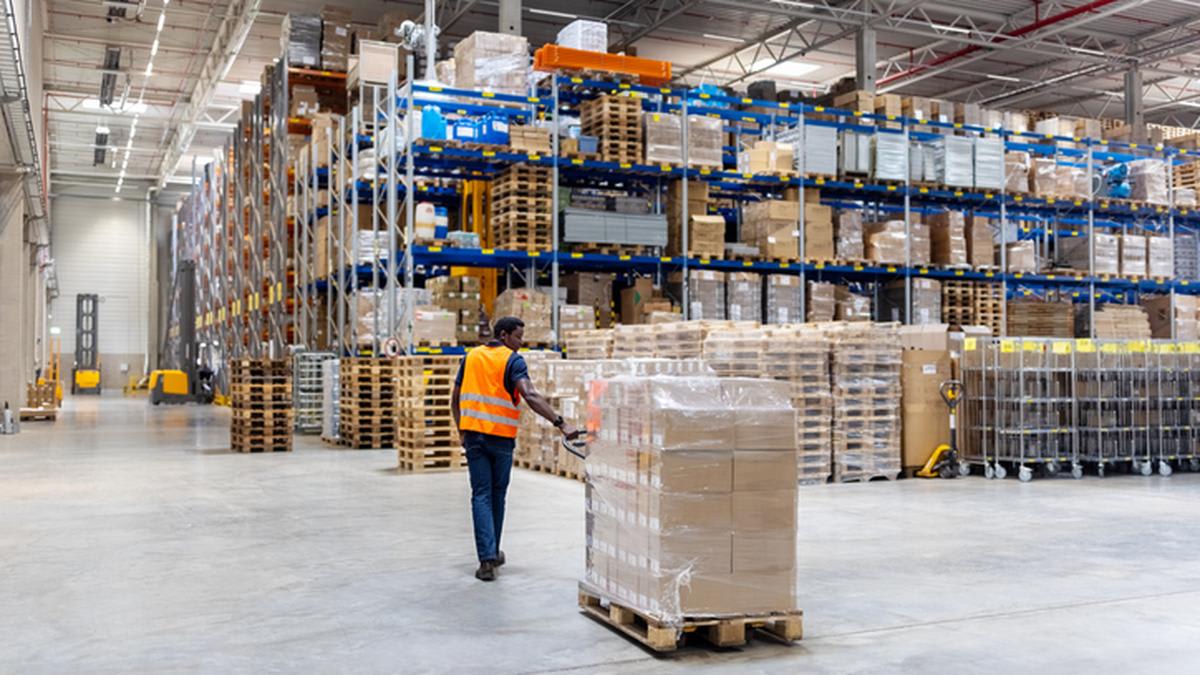
The new rule establishes clear enforcement too. The Director General of Foreign Trade will conduct inquiries into suspected violations, with detailed procedures to be outlined in the official Handbook of Procedures. Companies importing to India will need to verify their entire supply chains are free from forced labor.
The Ripple Effect
This policy shift reaches far beyond India's borders. As the world's most populous nation and a manufacturing powerhouse, India's stance sends a message to global suppliers that ethical sourcing isn't optional anymore.
Trade expert Manoj Mishra from Grant Thornton Bharat called it a "significant policy shift" that strengthens India's regulatory framework. While India has long had domestic labor laws, this marks the first time the country has built forced labor prohibitions directly into its trade policy, aligning with the International Labour Organization's conventions.
The move could accelerate an India-U.S. trade agreement that both nations have been working toward. Commerce Minister Piyush Goyal indicated India wants to ensure any deal provides clear advantages, and demonstrating leadership on ethical trade helps build that case.
For the millions of workers vulnerable to exploitation worldwide, India's decision adds momentum to a growing recognition that human dignity must be woven into every supply chain.
The real test comes next in implementation, but the foundation is now set for trade that honors both prosperity and human rights.
Based on reporting by The Hindu
This story was written by BrightWire based on verified news reports.
Spread the positivity!
Share this good news with someone who needs it