India-Born Cheetah Births 4 Cubs After Losing First Litter
Six months after a leopard killed all four of her cubs, KGP12 has given birth again at India's Kuno National Park. Her new litter brings India's living cheetah population to 56, including 36 born in the country since reintroduction began in 2022.
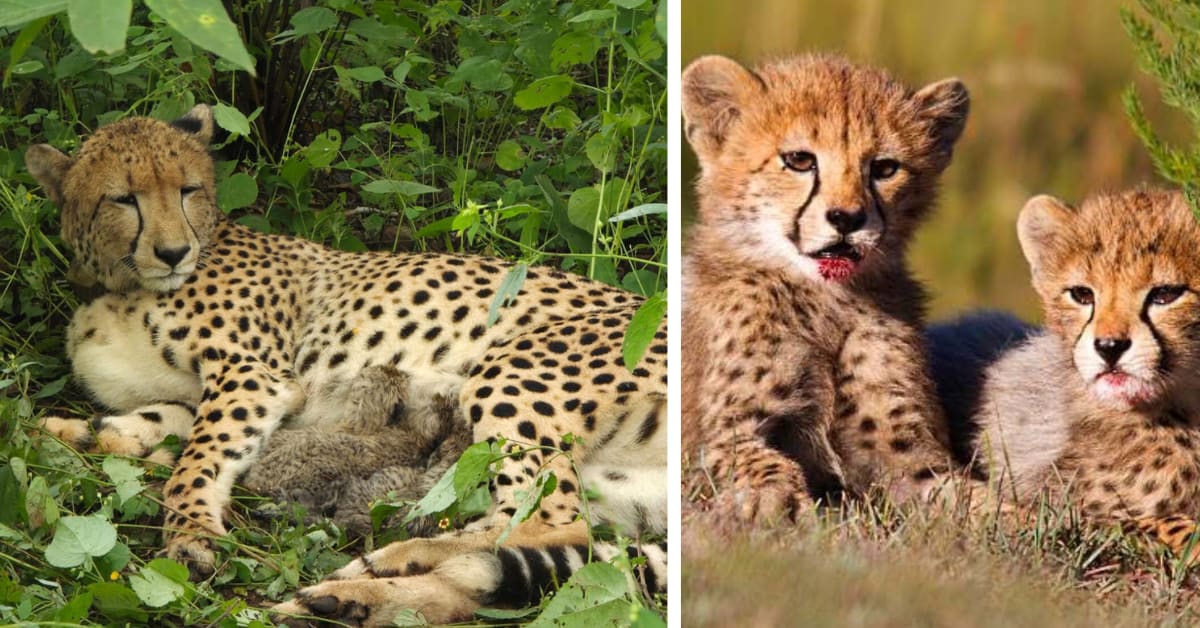
A young cheetah mother at India's Kuno National Park is raising four newborn cubs just six months after losing her first litter to a leopard attack.
KGP12, an India-born cheetah, gave birth on September 18 inside a secured enclosure at Kuno National Park in Madhya Pradesh. Forest officials spotted the cubs the following day and have been monitoring the family from a distance, keeping intervention minimal so the mother can care for her young naturally.
The birth comes just one day after Project Cheetah marked its fourth anniversary. The timing adds a hopeful note to India's ambitious effort to bring cheetahs back after the species went extinct in the country decades ago.
KGP12 herself was born at Kuno in 2024 to Gamini, a female cheetah brought from South Africa in 2023. That makes her part of the first generation of cheetahs born in India after reintroduction, and her cubs represent the next generation taking shape.
Her first experience with motherhood came in April 2026, when she was just over two years old. She gave birth to four cubs in the wild, a milestone moment for the reintroduction program that showed the animals weren't just surviving but starting to reproduce.
But within weeks, a leopard attacked and killed all four cubs. The loss highlighted just how vulnerable newborn cheetahs are in the wild, even with their mother's protection.
This time, conditions are different. KGP12's new cubs were born inside a secured enclosure rather than in the open wild, giving them greater protection during their most vulnerable early weeks. The enclosure provides a safer environment while still allowing the mother to care for her cubs naturally.
The Ripple Effect
KGP12's story reflects the larger arc of Project Cheetah itself. The program began on September 17, 2022, when eight cheetahs arrived from Namibia and were released at Kuno. Twelve more came from South Africa in February 2023, followed by nine from Botswana in February 2026.
The goal was never simply to import cheetahs. The real challenge is establishing a population that can survive, reproduce, and thrive in India over the long term.
With 56 living cheetahs now in India, including 53 at Kuno and three at Gandhi Sagar Wildlife Sanctuary, those roots are beginning to take hold. Thirty-six have been born in the country, a sign that the reintroduced animals are adapting to their environment.
Field Director Uttam Kumar Sharma said staff are keeping their distance from KGP12 and her cubs, allowing natural behaviors to unfold without unnecessary human interference. The mother knows what her cubs need, and she's already experienced the stakes of raising them in a landscape with leopards and other dangers.
The hardest work still lies ahead. Cheetah cubs remain vulnerable for months, and their survival will depend on their mother's ability to protect and feed them. But KGP12 has already shown resilience, and her four new cubs have begun a journey that could help secure cheetahs' future in India.
More Images
%2Fenglish-betterindia%2Fmedia%2Fmedia_files%2F2026%2F09%2F21%2Findia-born-cheetah-kgp12-2026-09-21-13-49-09.png)
%2Fenglish-betterindia%2Fmedia%2Fmedia_files%2F2025%2F11%2F20%2Fwild-at-heart-banner-image-microsite-banner-2025-11-20-16-17-04.jpg)
%2Ffilters%3Aformat(webp)%2Fenglish-betterindia%2Fmedia%2Fmedia_files%2F2026%2F09%2F21%2Findia-born-cheetah-kgp12-2026-09-21-13-57-09.png)
Based on reporting by The Better India
This story was written by BrightWire based on verified news reports.
Spread the positivity!
Share this good news with someone who needs it