India Builds World's Largest Wildlife Crossings for Tigers
India now has the world's 10 largest wildlife crossings, helping tigers and elephants safely navigate highways as conservation success means more big cats need room to roam. The country's tiger population has doubled since 1972, reaching over 3,600 cats.
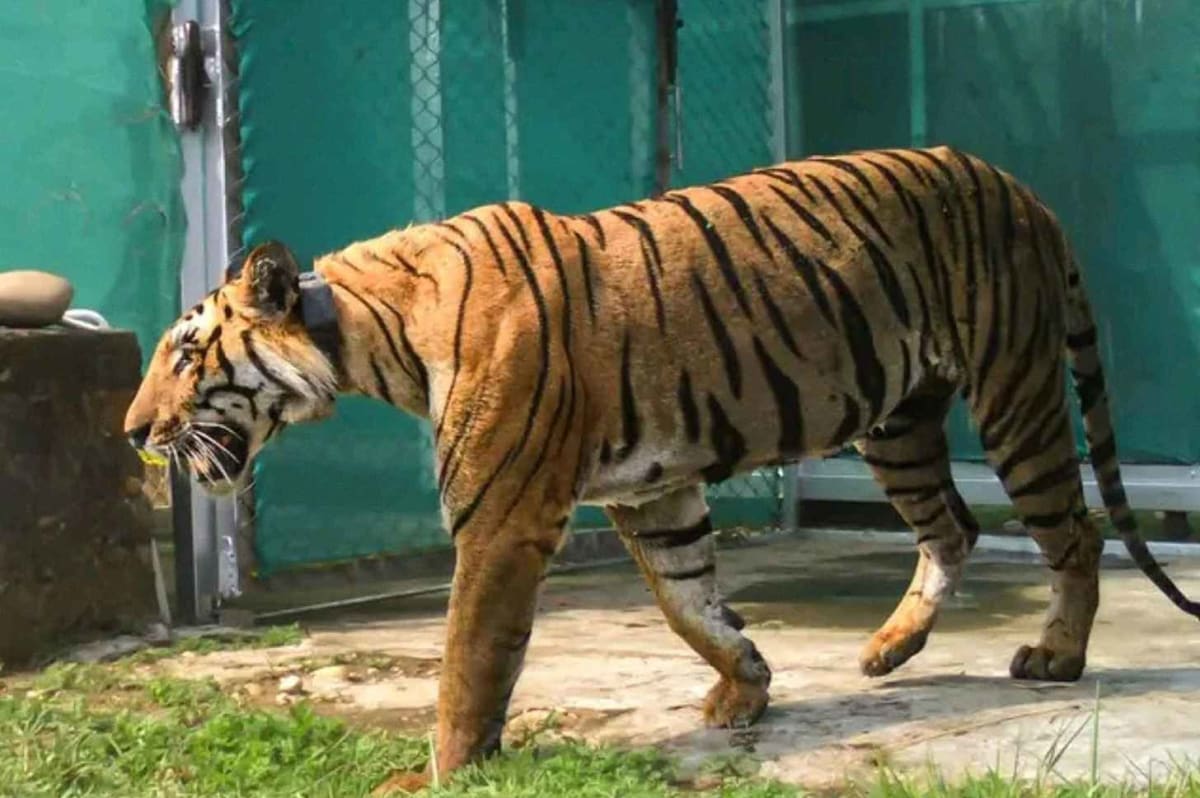
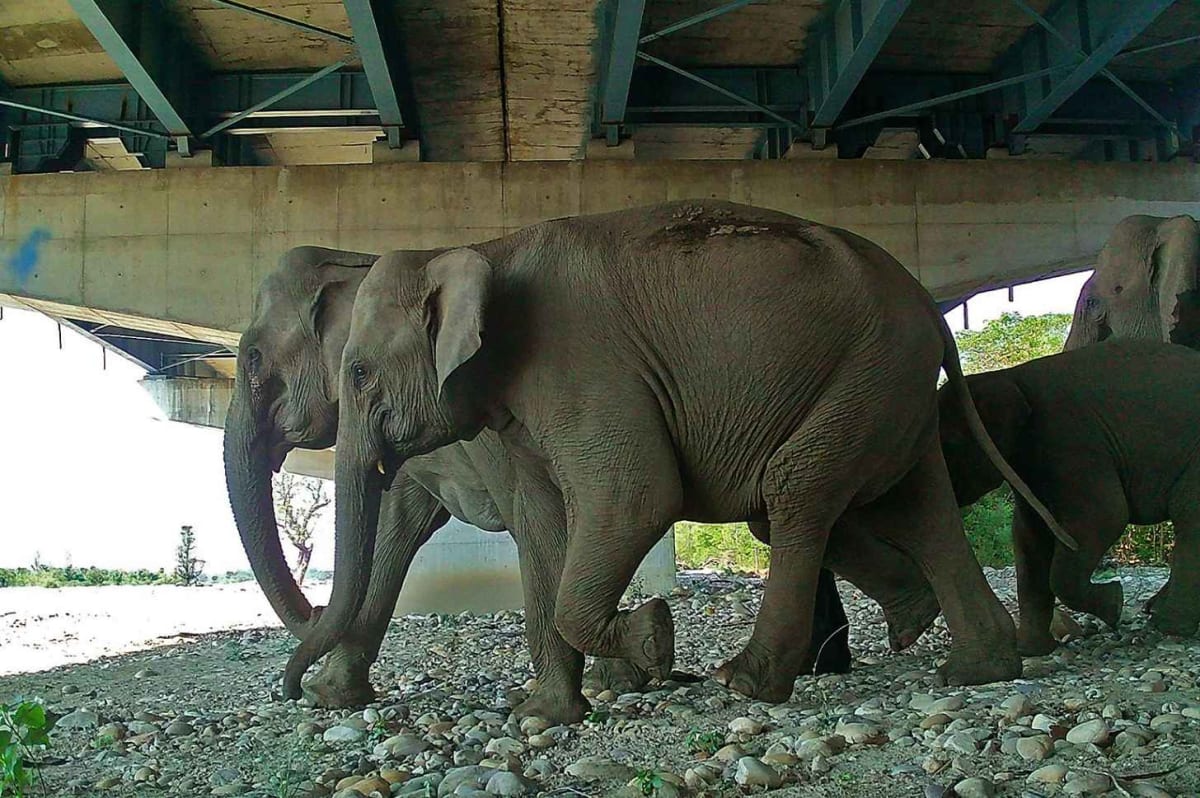
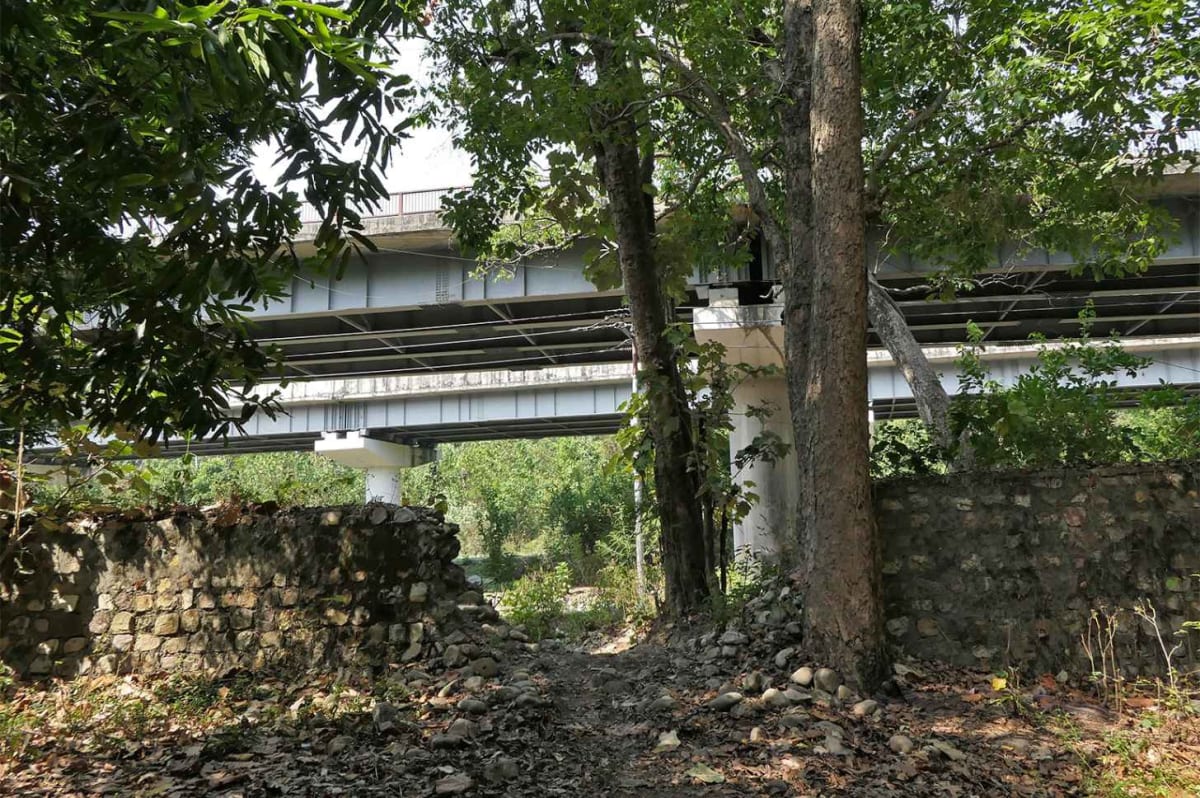
Deep under a busy Indian highway, elephant footprints dot the mud while a relocated Bengal tiger named T8 prowls overhead, both animals moving safely thanks to a 1,300-foot underpass that keeps them away from speeding traffic.
India has quietly become the world leader in wildlife crossings, building more underpasses and overpasses than any other Asian country. The nation now boasts the 10 largest wildlife crossings on Earth, from tiny passages for mice to massive corridors for elephant herds.
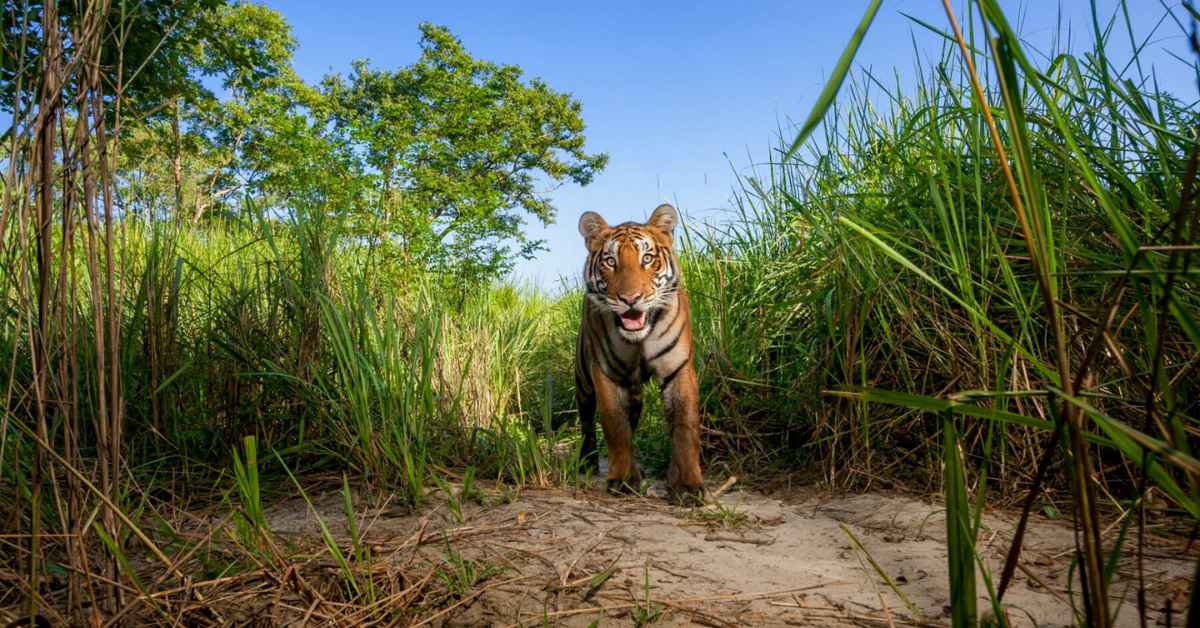
The timing couldn't be better. India's tiger population has more than doubled since 1972, jumping from roughly 1,800 to over 3,682 cats as of 2022. That number has likely grown even higher since then.
This conservation win created a new challenge. Tigers are natural wanderers, with males claiming territories up to 77 square miles. As their numbers grow, they need to spread beyond protected reserves to find new homes, hunt prey, and avoid inbreeding.
But India's rapid development means highways, railways, canals, and towns now slice through ancient forest corridors. For a country of 1.4 billion people with an economy growing 6 to 7 percent annually, finding space for both tigers and humans takes creative thinking.
Enter the wildlife crossings. The Teen Pani underpass in Rajaji Tiger Reserve lets everything from mice to elephants pass beneath National Highway 72. Walk just a few meters from the strip and traffic noise fades into forest sounds: drilling woodpeckers, singing barbets, and calling cuckoos.
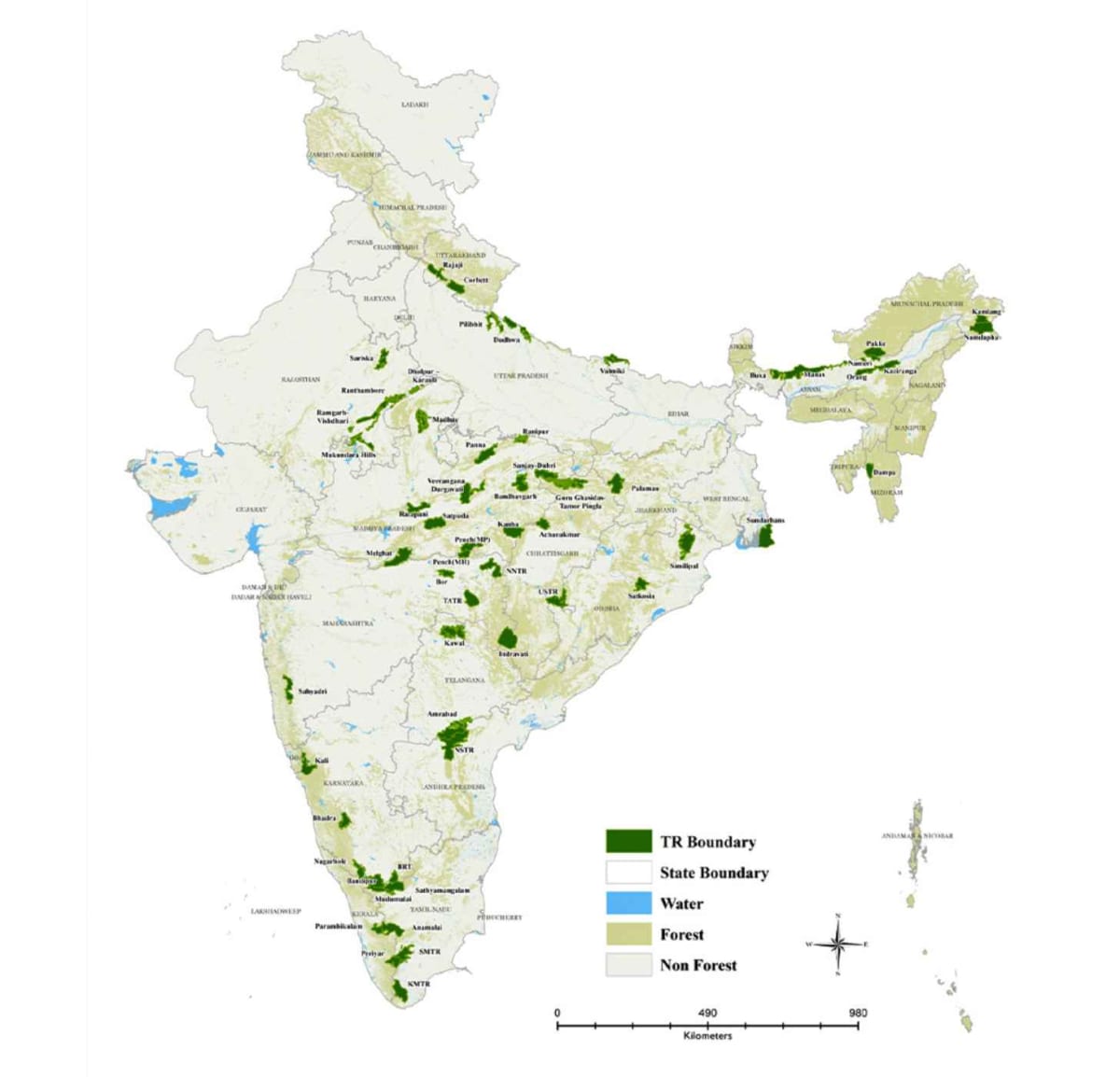
Bilal Habib, a scientist at the Wildlife Institute of India, says no other developing country has invested this much money exclusively for wildlife conservation. These corridors protect 19 pathways tigers use across the Terai Arc landscape, a nearly 20,000-square-mile string of protected areas along the Himalayan foothills.
The crossings don't just save individual animals. They connect isolated tiger populations, allowing genetic exchange that prevents inbreeding and helps populations survive environmental threats and human pressures.
The Ripple Effect
India's wildlife crossing network shows how infrastructure and conservation can work together. As the nation builds modern highways, it's simultaneously creating pathways that restore connections between habitats that had been lost or fragmented.
The success ripples beyond tigers. Elephant herds, leopards, and countless smaller species now use these safe passages daily. Forest corridors that were nearly lost are being revived, even in a densely populated country racing toward development.
These crossings give hope to other rapidly developing nations facing similar challenges. They prove that economic growth doesn't require sacrificing wildlife, and that creative solutions can honor both human progress and nature's needs.
India is literally giving land back to the ecosystem, one crossing at a time, ensuring tigers have room to roam for generations to come.
More Images
Based on reporting by Good Good Good
This story was written by BrightWire based on verified news reports.
Spread the positivity!
Share this good news with someone who needs it