India Cleans Toxic Rivers With Coal Waste for $0.30
Researchers turned factory trash into a $0.30 ceramic that removes 95% of toxic dye from industrial wastewater. The breakthrough could help small textile factories finally afford to clean their pollution. ##
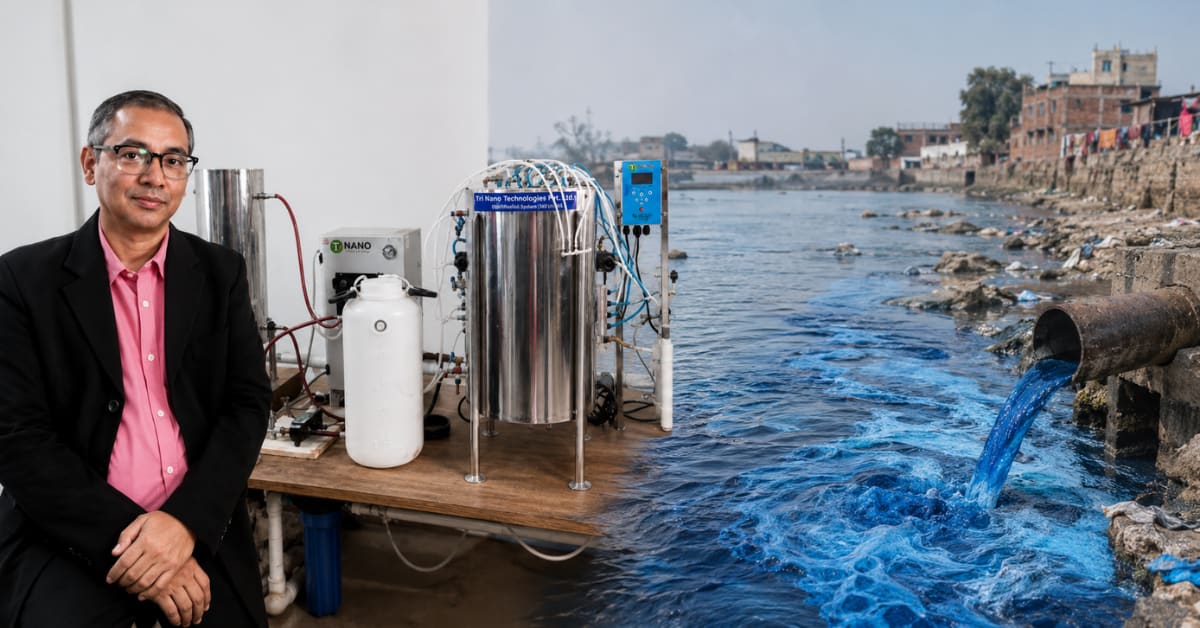
In parts of India, rivers turn blue, red, or purple depending on what colour fabric factories dyed that week. Now scientists have figured out how to clean those toxic waters using the very waste those factories throw away.
Researchers at NIT Rourkela created a ceramic material from fly ash and steel slag that pulls toxic dye out of contaminated water. The best part? It costs just Rs 25 to 50 per kilogram, or about 30 to 60 cents.
Professor Sunipa Bhattacharyya and her team mixed fly ash from coal power plants with waste from steel production and added ordinary clay. The combination traps Methylene Blue, a common industrial dye that makes water unsafe and can break down into compounds linked to cancer.
The ceramic removes over 95% of the dye when contaminated water passes through it. Dye molecules stick to the surface and stay trapped instead of flowing downstream into rivers and farmland.
India produced over 340 million tonnes of fly ash last year alone. Steel production adds millions more tonnes of slag. Both pile up near factories with nowhere to go, so using them solves two problems at once.
What makes this different from other treatments is what the team left out. Most similar materials require heating clay to extremely high temperatures first, which burns expensive energy. Bhattacharyya's team skipped that step entirely and used raw clay instead.
That decision matters for small textile factories that can't afford complex treatment systems or specialized staff. A simpler, cheaper process means more companies might actually use it.
The pollution problem runs deep. Studies show 10 to 15 percent of dyes used in textile processing never bind to fabric and wash straight into wastewater. That water carries not just colour but surfactants, salts, and heavy metals into rivers that people use for drinking water and irrigation.
Existing treatment technologies work but cost too much for smaller operations. Many factories in India employ fewer than 50 people and operate on thin margins. Telling them to install expensive filtration systems often means they simply don't treat their water at all.
The Ripple Effect
This ceramic changes the math. At 30 to 60 cents per kilogram, even small operations could afford it. And because coal and steel waste exists everywhere industry does, the solution could work across regions without shipping specialized materials long distances.
The team published their results in the journal ChemistrySelect and aligned their work with UN goals for clean water and responsible production. They're now testing the ceramic against other pollutants beyond Methylene Blue to see how versatile it can become.
The innovation shows how rethinking waste can solve problems that seem unrelated. Coal ash and steel slag cause headaches for one set of factories. Dye pollution plagues another. Put them together, and both problems get smaller.
One day soon, those purple and blue rivers might just run clear again.
##
More Images
.png)
%2Fenglish-betterindia%2Fmedia%2Fmedia_files%2F2026%2F06%2F26%2F1-2026-06-26-17-01-30.png)

Based on reporting by The Better India
This story was written by BrightWire based on verified news reports.
Spread the positivity!
Share this good news with someone who needs it