India Completes 13km Tunnel Through Himalayas at 11,578 Feet
India just finished digging a tunnel through one of the world's highest mountain passes, cutting a treacherous three-hour journey down to just 20 minutes. The breakthrough connects Kashmir to Ladakh year-round for the first time ever.
For decades, the only route between Kashmir and Ladakh closed every winter, leaving remote military posts cut off from supplies for months at a time. That isolation just ended.
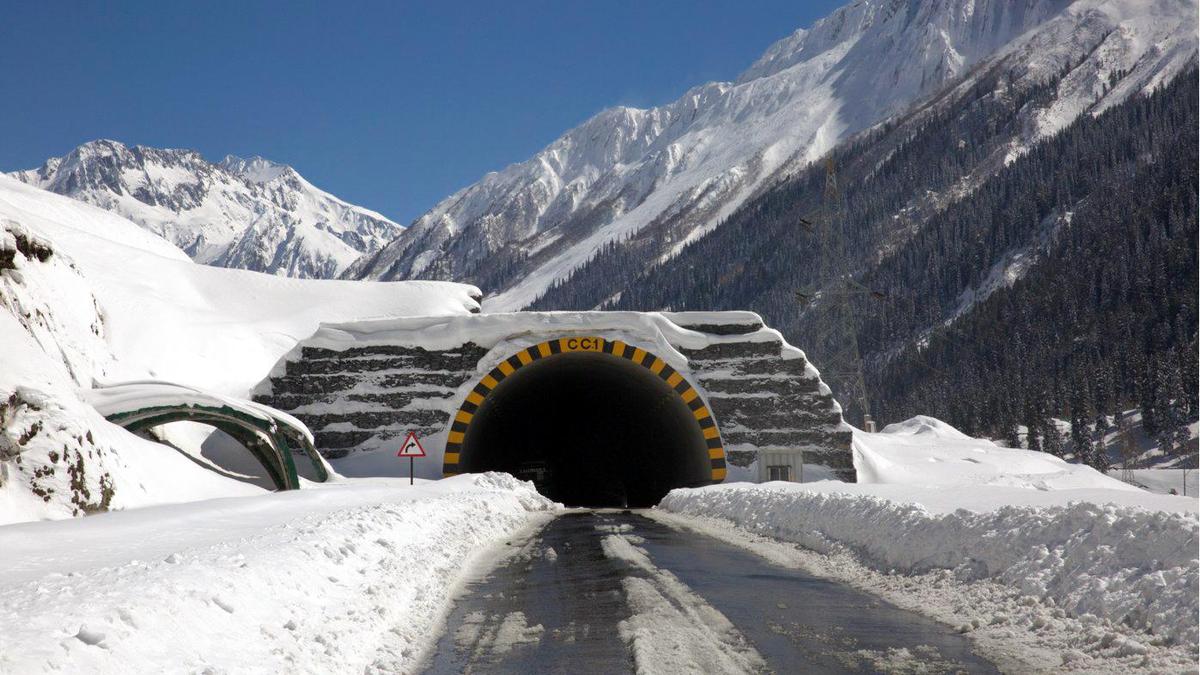
On June 9, India completed the final blast through the Zojila Tunnel, a 13-kilometer passage carved straight through the Himalayas at 11,578 feet above sea level. The tunnel bypasses the dangerous Zojila Pass, where landslides, rockfalls, and heavy snow blocked travel for nearly half the year.
Workers with Megha Engineering started drilling in 2020, facing conditions that would make most construction projects impossible. Temperatures dropped to minus 30 degrees Celsius for 100 days each year. Five major avalanches hit the site over five years, damaging equipment and trapping workers.
In January 2023, an avalanche stranded 172 workers who needed Army rescue. Two employees lost their lives during construction. The team kept going, using a specialized Austrian tunneling method designed for unstable mountain geology.
Now travelers can drive from Ganderbal to Kargil in 20 minutes instead of three hours. More importantly, military personnel can transport supplies to high-altitude bases throughout winter, eliminating the scramble to stockpile everything before the pass closes in autumn.
The Ripple Effect
This tunnel does more than shave time off a commute. It connects two regions that have been seasonally isolated since people first settled there, opening year-round opportunities for trade, medical emergencies, and family connections.
For the nearly 300,000 people living in Ladakh, winter no longer means complete separation from the rest of India. Students can travel home for holidays. Sick residents can reach hospitals. Businesses can operate through all twelve months instead of shutting down when the snow arrives.
The project demonstrates what's possible when engineers refuse to accept "impossible" as an answer. Building the world's longest single-tube bidirectional road tunnel at this altitude required solving problems no construction team had faced before.
India invested 6,800 crore rupees (about $820 million) to make this connection permanent, and the tunnel will serve communities and strengthen regional stability for generations.
A 20-minute drive through a mountain just replaced months of isolation.
Based on reporting by The Hindu
This story was written by BrightWire based on verified news reports.
Spread the positivity!
Share this good news with someone who needs it