India's Private Rocket Reaches Orbit on First Try
A Hyderabad startup just launched India's first private rocket to orbit, joining only the US and China in commercial space capability. But the real challenge ahead isn't building better rockets—it's building a business that lasts.
Last weekend, Skyroot Aerospace became the first private Indian company to send a rocket into orbit, and they did it on their very first attempt. The seven-story Vikram-1 rocket lifted off from Sriharikota and reached low Earth orbit 15 minutes later, deploying satellites including one built by fellow Indian startup Grahaa Space.
India just became only the third country in the world whose private sector can independently reach orbit. That's a milestone worth celebrating, especially when you consider how many global launch companies have tried and failed to achieve the same feat.
But here's what makes this moment even more significant: India isn't just starting its commercial space journey with one successful company. The country now hosts over 400 private space companies, the largest concentration in Asia, building everything from rockets to satellites to space surveillance systems.
Skyroot recently became India's first space unicorn. Agnikul Cosmos flew the world's first single-piece 3D-printed rocket engine in 2024. GalaxEye launched the world's first satellite that fuses optical and radar imaging. Pixxel has six satellites in orbit with customers including NASA and BP.
The capability question is settled. Indian startups can build world-class space hardware at a fraction of Western costs.
The Ripple Effect
Now comes the harder part: turning that technical brilliance into sustainable businesses. The global record here is sobering. Virgin Orbit went bankrupt in 2023 despite four successful orbital missions. Astra, once valued at $2.1 billion, sold for roughly $10 million in 2024. These weren't failures of engineering—they were failures of finding enough customers.
SpaceX's cheap rideshare missions carried an estimated 81 percent of the world's small satellites between 2019 and 2023, at prices dedicated small launchers couldn't match. Even Rocket Lab, the small-launch sector's clearest success story, now gets two-thirds of its revenue from building satellites, not launching them.
The companies that survived had guaranteed customers. SpaceX has drawn over $22 billion in US government contracts. Chinese rocket makers get state funding and constellation contracts. India's space startups have raised roughly $330 million total from 2022 to late 2025—less than a single Chinese funding round.
India's structural advantage is building hardware cheaply. But capital efficiency alone won't sustain an industry without steady demand. The next five years will determine whether India's impressive technical foundation can support a thriving commercial ecosystem, or whether brilliant engineering becomes another cautionary tale about rocket economics.
What happens next could reshape not just India's space sector, but the global balance of commercial space power.
More Images


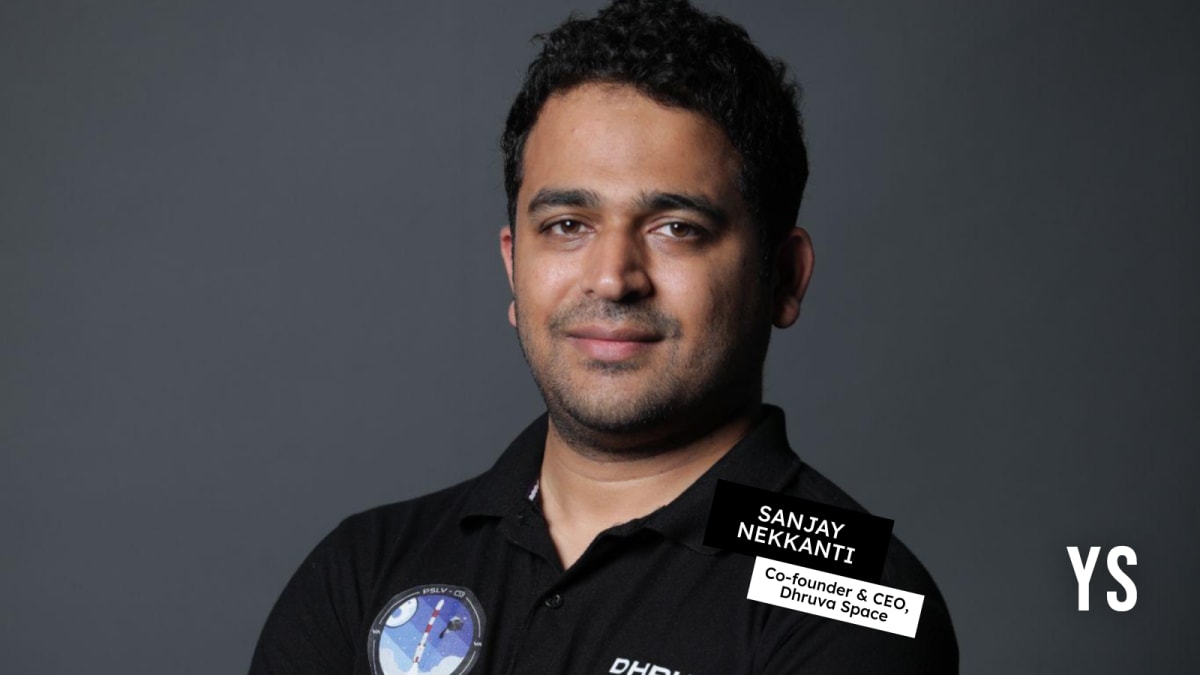

Based on reporting by YourStory India
This story was written by BrightWire based on verified news reports.
Spread the positivity!
Share this good news with someone who needs it