NASA and Blue Origin Team Up for Moon Mission Rocket Tests
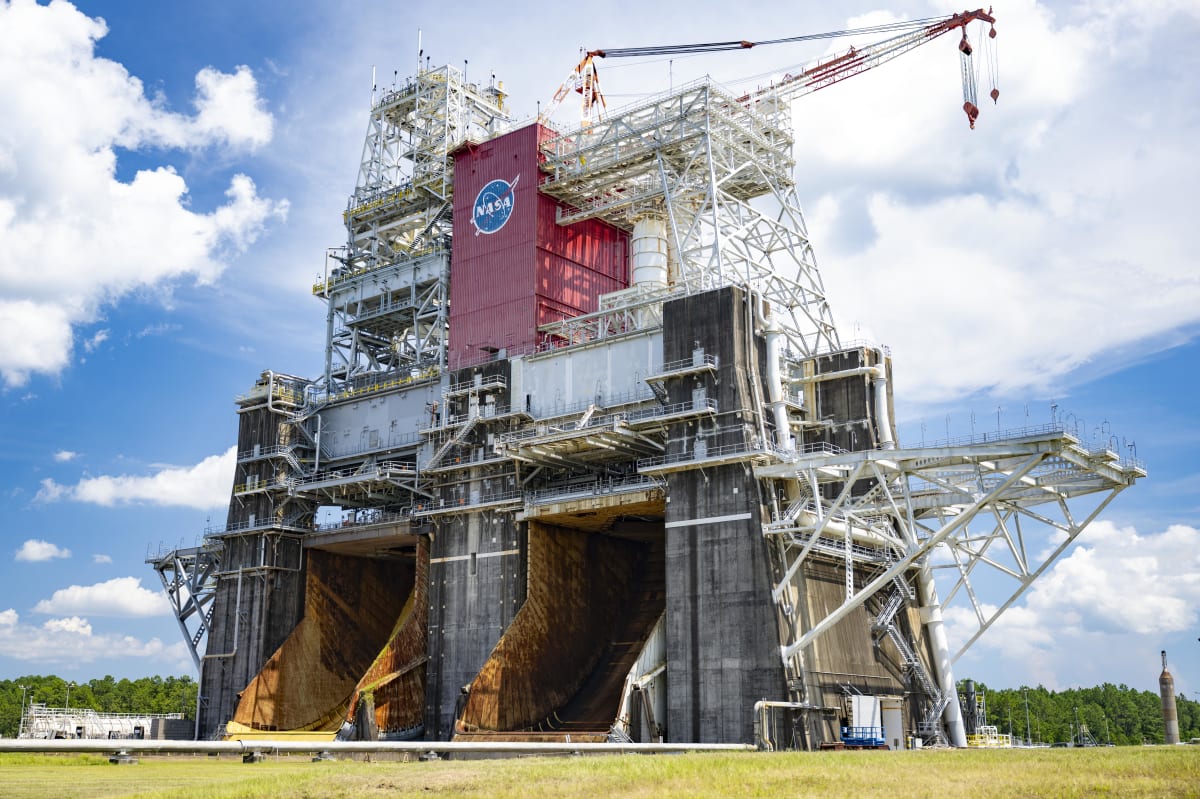
NASA's historic Mississippi test facility that helped humans reach the Moon in the 1960s is firing back to life for the next generation of lunar missions. Blue Origin will test its New Glenn rocket at the legendary site starting this fall.
The same test stand that powered America's first Moon landings is getting ready to help us return.
NASA and Blue Origin announced a partnership to conduct rocket engine testing at Mississippi's Stennis Space Center, where the iconic Saturn V rocket stages were tested before carrying astronauts to the Moon during the Apollo Program. The B-2 test stand will roar back to action this fall with tests of Blue Origin's New Glenn rocket.
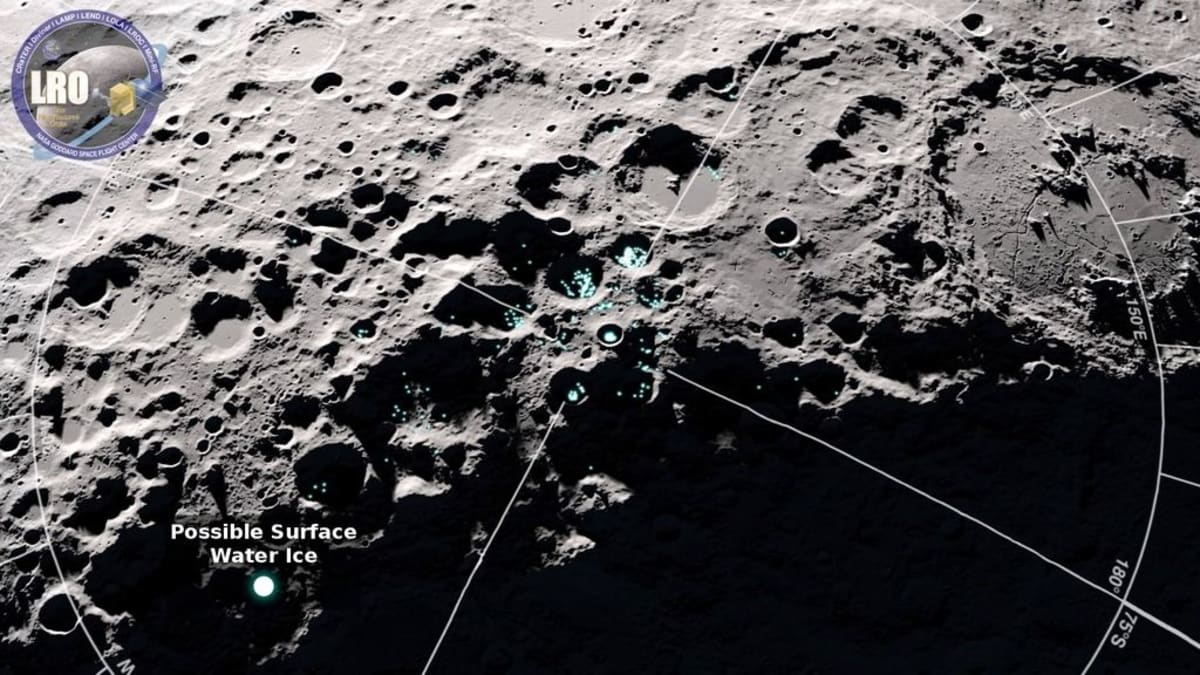
The testing directly supports America's Artemis program, which aims to land astronauts on the Moon and establish a permanent base near the lunar South Pole. Following the successful Artemis II flight in April, these tests will help prepare for the complex Artemis III mission, where four astronauts will demonstrate docking capabilities in low Earth orbit before heading to the Moon.
Blue Origin's New Glenn rocket is named after John Glenn, the first American to orbit Earth. Its second stage uses two BE-3 engines fueled by liquid oxygen and liquid hydrogen, each generating 200,000 pounds of thrust in the vacuum of space.
NASA will provide engineers, equipment, and decades of rocket testing expertise to support Blue Origin's work. The agency is also giving the company dedicated workspace and sharing lessons learned from years of propulsion testing at the historic facility.
The Ripple Effect
This partnership represents more than rocket science. It shows how public and private organizations can work together to achieve ambitious goals that seemed impossible just years ago.
Mississippi is strengthening its role as a commercial space hub, bringing high-skilled jobs and cutting-edge technology to the Gulf Coast. The state that helped launch the first Moon missions is now helping write the next chapter of lunar exploration.
Blue Origin already has its first Moon mission scheduled for this fall, when its Blue Moon Mark 1 Endurance lander will deliver NASA payloads to the lunar South Pole. That robotic mission will reduce risks for astronauts planning to land on the Moon during Artemis IV and V in 2028.
The partnership also advances America's broader vision for space exploration, including eventual human missions to Mars. By leveraging existing infrastructure and combining government expertise with commercial innovation, the U.S. is accelerating its timeline for establishing a sustained presence beyond Earth.
A facility built in the 1960s to make history is about to do it again.
More Images
Based on reporting by NASA
This story was written by BrightWire based on verified news reports.
Spread the positivity!
Share this good news with someone who needs it