NASA and IBM's AI Will Map the Moon in Stunning Detail
Scientists just unlocked decades of scattered lunar data with a groundbreaking AI that can finally piece together the moon's complete picture. The free tool will help find water ice, safe landing zones, and reveal secrets hidden in the moon's craters.
After decades of moon missions, scientists finally have a way to make sense of the massive puzzle of lunar data they've collected.
NASA and IBM just unveiled the Lunar Foundation Model, an AI system that combines information from countless sensors, cameras, and instruments into one detailed map of the moon's surface. The breakthrough solves a problem that's stumped researchers for years: how to unite mismatched data from different spacecraft into something actually useful.
Here's why that matters. Robotic missions have captured incredible detail about the moon using optical cameras, laser altimeters, radar tools, and spectrometers. But each instrument speaks a different language, creating mountains of information that couldn't talk to each other.
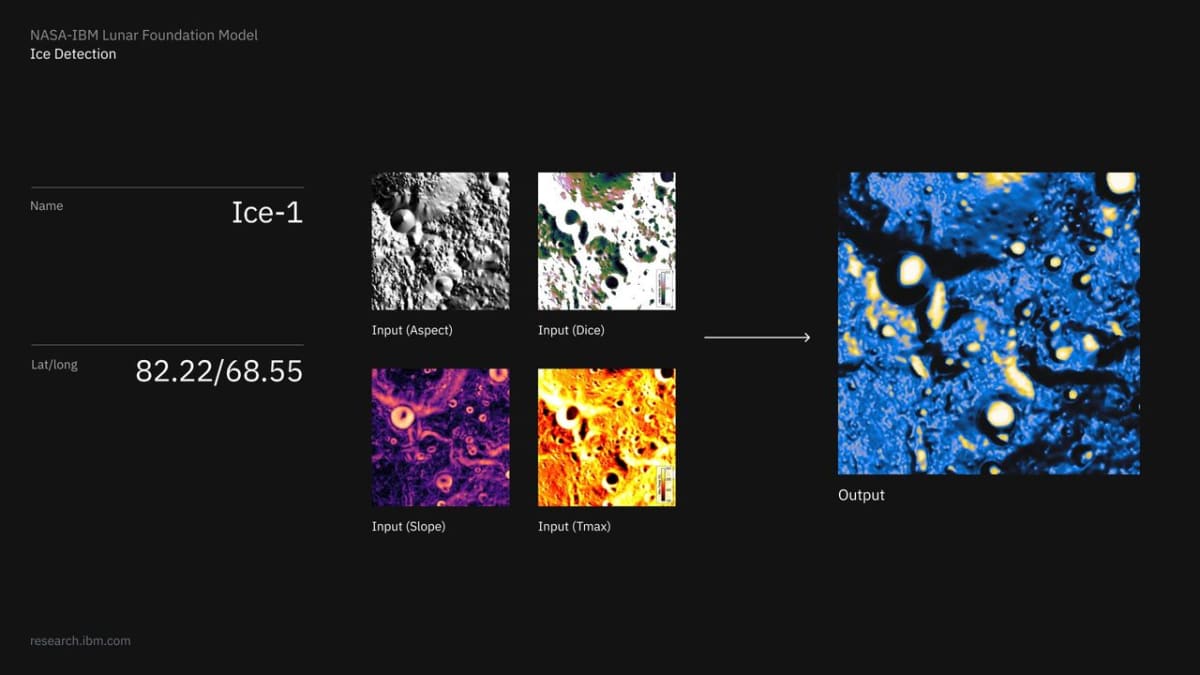
The new AI acts like a universal translator. It takes nearly 2 million overlapping map sections and aligns them perfectly, even when they come from different sources or were captured at wildly different resolutions.
The team trained their model using a technique called masked learning, where the AI fills in blanks across millions of examples until it understands how lighting, terrain, and geography connect. They even taught it to handle the moon's tricky shadows and harsh sunlight that can hide or wash out important details.
The Ripple Effect
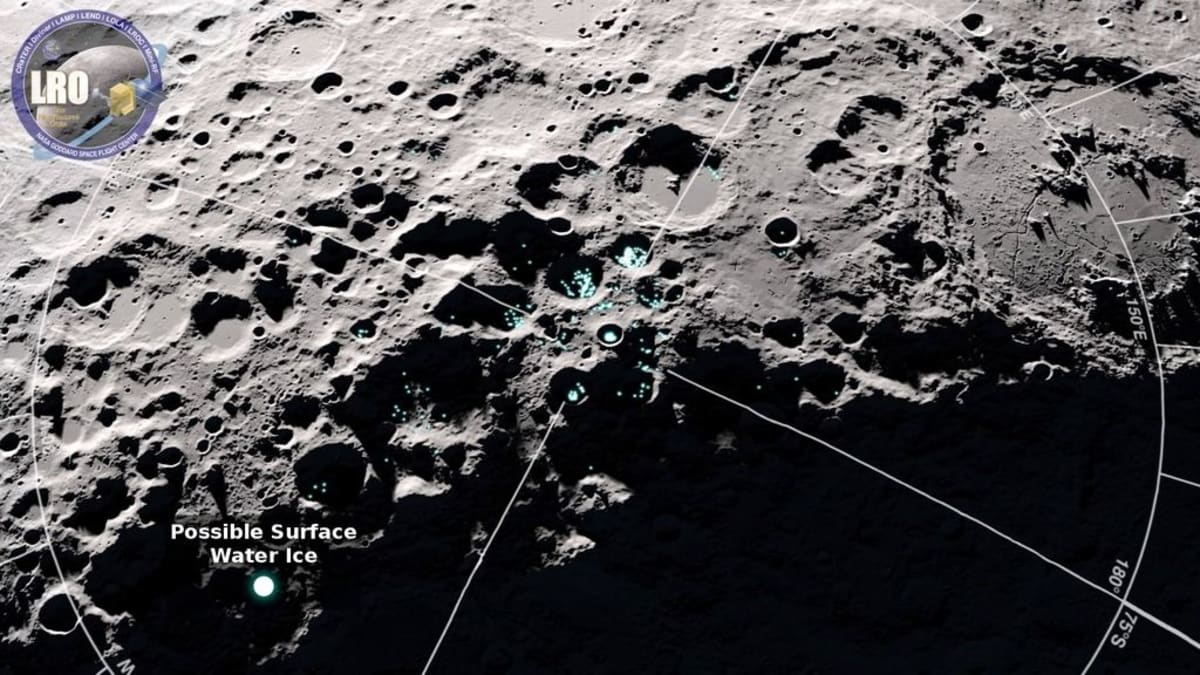
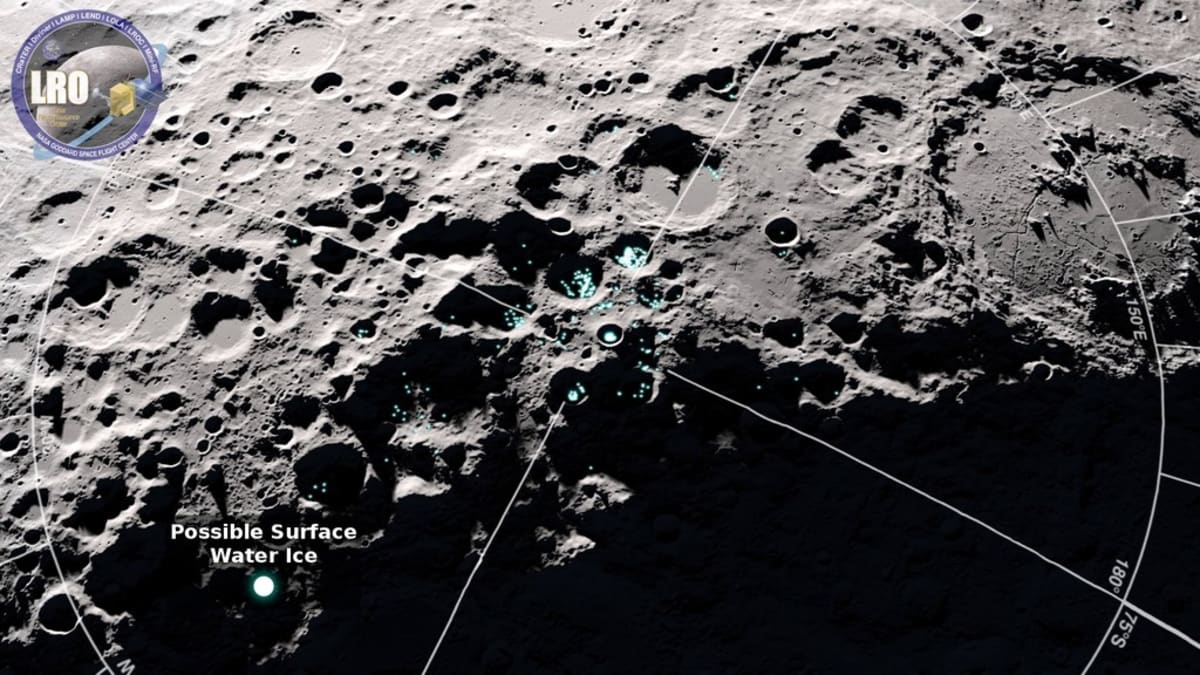
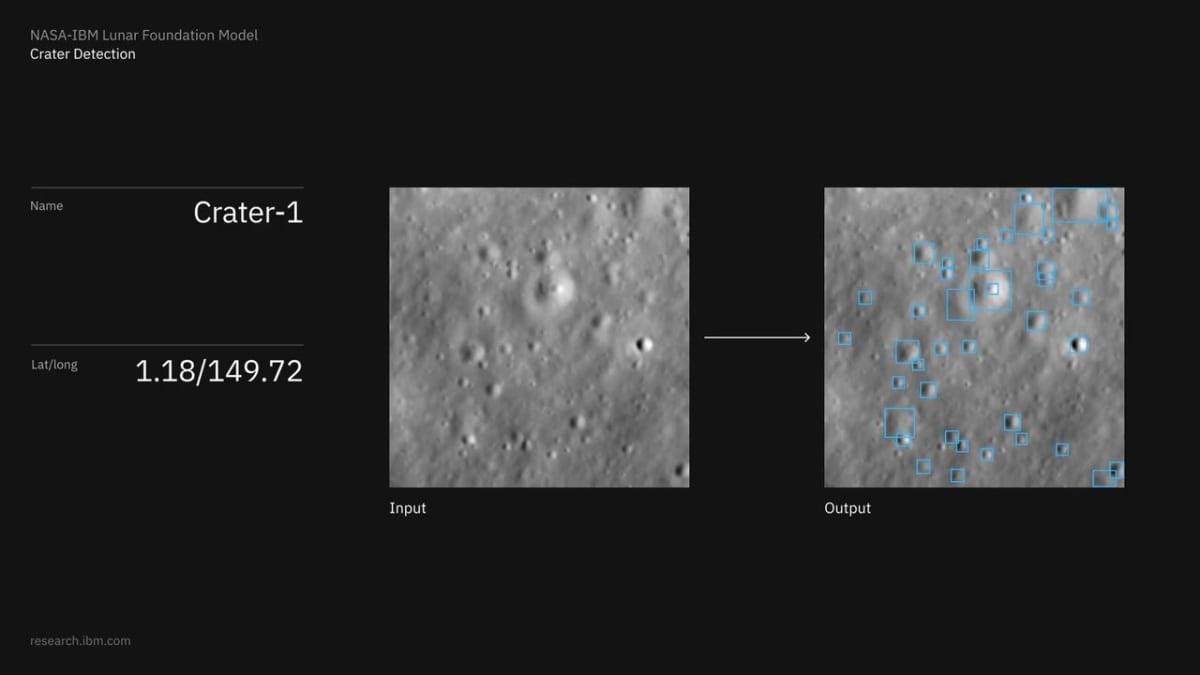
This technology is already making waves beyond crater counting. Scientists can now hunt for ice hiding in permanently shadowed regions, crucial for future lunar bases where astronauts will need water. They can identify unstable volcanic areas to avoid and map safe landing zones with confidence.
The model is completely free and open source on Hugging Face, meaning researchers worldwide can adapt it for their specific questions. One team might use it to study the moon's thermal history. Another could analyze crater patterns to understand what's inside the moon.
NASA tested the system on four different tasks, and it outperformed previous models across the board. What once required teams of scientists painstakingly cross-referencing data now happens automatically.
The breakthrough couldn't come at a better time. As multiple countries plan moon missions and permanent bases, having accurate, detailed maps isn't just helpful anymore. It's essential.
Best of all, the same approach could work for Mars, asteroids, or any celestial body where we've collected mismatched data over the years.
The moon is about to reveal its secrets like never before.
More Images
Based on reporting by Live Science
This story was written by BrightWire based on verified news reports.
Spread the positivity!
Share this good news with someone who needs it