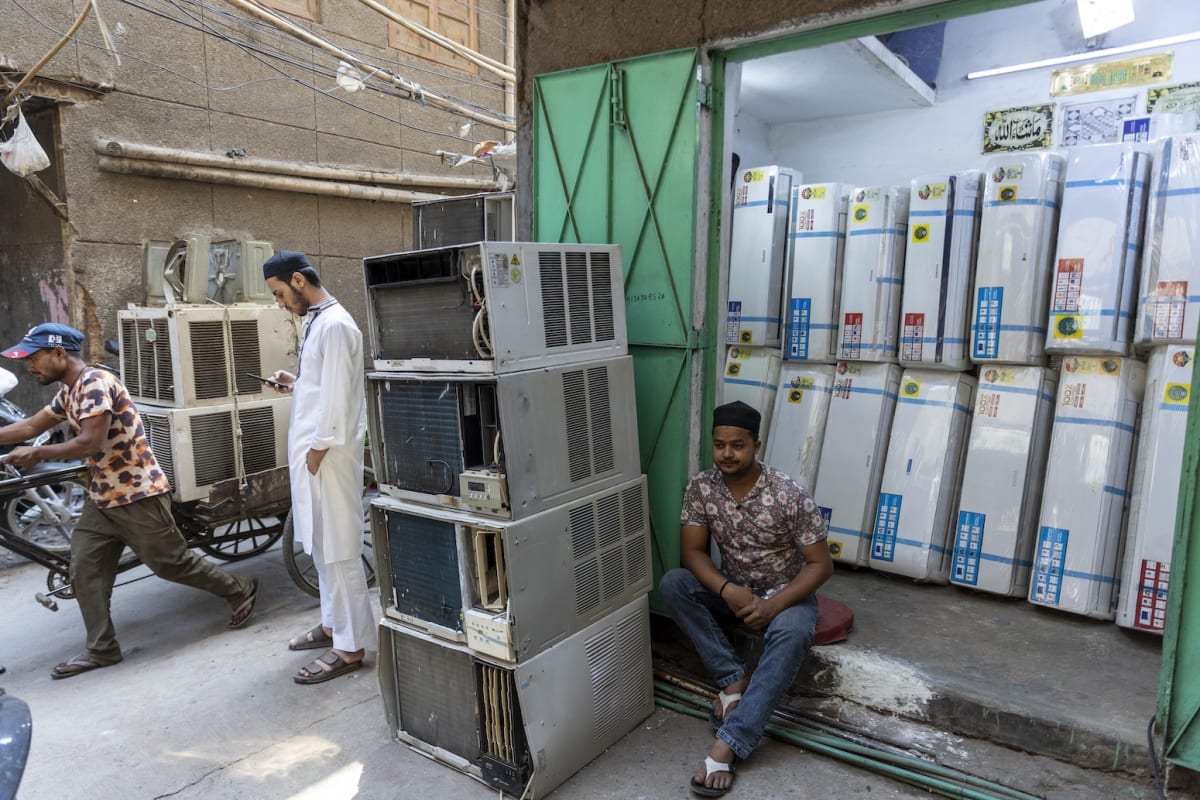
India Could Save $724M With Efficient Air Conditioners
Energy-efficient air conditioners could save Indian households $724 million annually while cutting nearly 5 million tonnes of carbon emissions. As record-breaking heat drives AC demand to historic highs, smarter cooling choices offer both environmental and financial wins.
Indian families facing scorching temperatures have a chance to save big on electricity bills while helping the planet cool down.
New analysis shows that if the 15 million households buying air conditioners this year choose the most efficient models available, they could collectively save 69 billion rupees ($724 million) annually. The switch would also prevent nearly 5 million tonnes of carbon dioxide from entering the atmosphere.
India's relationship with air conditioning is rapidly changing. Record heat in 2024 pushed AC sales to 14 million units, up from 10 million the year before. Between 2021 and 2023, sales jumped more than 25% each year as families sought relief from increasingly brutal heatwaves.
The demand is real. On May 21st this year, India's power grid hit a record 270 gigawatts as a heatwave sent millions rushing to turn on their cooling systems. Historically one of the least air-conditioned nations, India is now installing new AC units at a pace that could soon reach one every 15 seconds.
The difference between efficiency ratings matters enormously. A five-star rated unit uses significantly less electricity than a two-star model to deliver the same cooling. Multiply those savings across millions of homes, and the impact becomes transformative.
Government projections suggest space-cooling demand in India could grow 11-fold by 2037 compared to 2017 levels. That surge would typically mean a 435% increase in greenhouse gas emissions from air conditioning over the next two decades.
The Ripple Effect
The shift to efficient cooling technology represents more than just lower electricity bills for individual families. It eases pressure on India's power grid during peak demand periods, reducing the risk of blackouts that can affect hospitals, businesses, and essential services.
While solar power increasingly handles daytime cooling needs, coal still powers many air conditioners through warm nights. More efficient units mean less coal burned and cleaner air for everyone.
The challenge remains cost. Efficient air conditioners typically carry higher upfront prices, putting them out of reach for many families despite the long-term savings. However, as technology improves and production scales up, prices are gradually becoming more accessible.
India's 2019 Cooling Action Plan recognized this growing need and laid groundwork for sustainable solutions. The analysis shows those solutions are not just environmentally necessary but economically smart.
Every family choosing an efficient air conditioner today is casting a vote for a cooler planet and a more stable power grid tomorrow.
Based on reporting by Carbon Brief
This story was written by BrightWire based on verified news reports.
Spread the positivity!
Share this good news with someone who needs it