India Drills First Deep Geothermal Wells in Ladakh
India just completed its first deep geothermal wells in Ladakh's Puga Valley, bringing 24/7 clean power to one of the world's most challenging terrains. The breakthrough could transform how remote Himalayan communities heat homes and grow food year-round.
Deep in Ladakh's Puga Valley, where temperatures plunge to minus 40 degrees Celsius and solar panels struggle through long winters, India just tapped into a revolutionary power source that never sleeps.
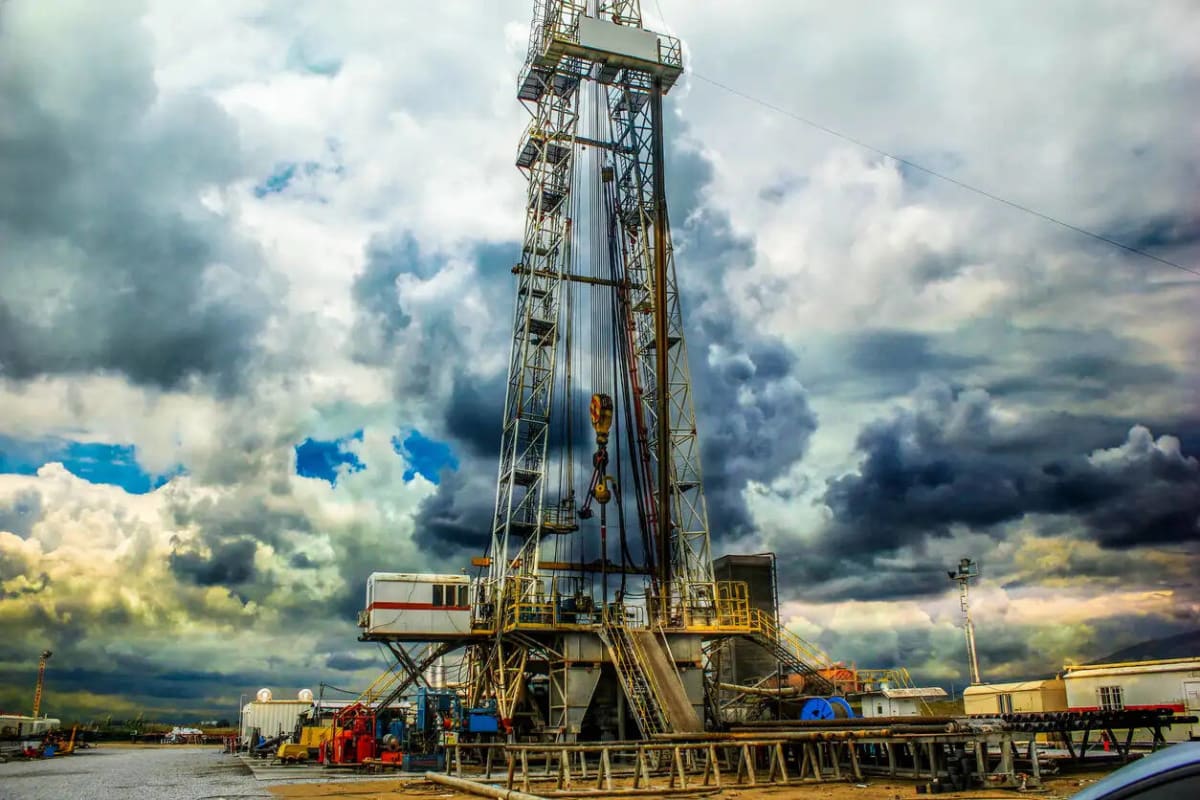
The Oil and Natural Gas Corporation has successfully drilled two deep geothermal wells, marking India's first major step toward harnessing Earth's underground heat for electricity. Unlike solar or wind energy, geothermal power flows continuously, offering Ladakh's remote communities a lifeline when conventional energy sources falter during brutal winter months.
The wells, called GT#02 and GT#03, reach deep into the earth where natural heat creates steam powerful enough to generate electricity. For Ladakh's residents who currently rely on expensive diesel generators and inconsistent power during winter, this breakthrough means something simple yet profound: lights that stay on and homes that stay warm.
Ladakh's Lieutenant Governor Vinai Kumar Saxena celebrated the completion at a formal ceremony, calling it a crucial milestone for the region's goal to become carbon neutral. The project represents five years of collaboration between ONGC, Ladakh's administration, and the Ladakh Autonomous Hill Development Council.
The Ripple Effect
Beyond keeping the lights on, geothermal energy could reshape Ladakh's entire economy. Farmers could grow vegetables in heated greenhouses throughout winter instead of importing food at high costs. Local food processing businesses could operate year-round rather than shutting down when temperatures drop.
The constant heat source also opens doors for district heating systems that could warm entire neighborhoods efficiently. Tourism operators could extend their season beyond summer months, creating stable jobs in an economy that traditionally hibernates half the year.
India's success in Ladakh proves the technology works in extreme conditions, encouraging similar projects in Himachal Pradesh and Uttarakhand. As the country pushes toward its Net Zero targets, geothermal energy fills a critical gap where solar and wind face limitations.
The drilling itself showcases India's growing technical expertise in renewable energy. ONGC's Vikram Saxena emphasized that this achievement demonstrates the country's commitment to energy innovation and self-reliance, particularly in strategic border regions.
For a nation still heavily dependent on fossil fuels, the Puga project offers something rare: a renewable energy source that works around the clock, regardless of weather. That reliability could stabilize regional power grids and reduce pollution from diesel generators that currently power remote areas.
The project now moves into its demonstration phase, where engineers will test how effectively the wells can generate electricity and heat. Success here could unlock investment in geothermal sites across India's Himalayan regions, where millions live in energy-scarce conditions.
In Ladakh, where winter darkness once meant isolation and hardship, the earth itself is becoming a partner in progress.
Based on reporting by Google News - Renewable Energy Breakthrough
This story was written by BrightWire based on verified news reports.
Spread the positivity!
Share this good news with someone who needs it