India Hosts First Big Cat Summit With 75% of World Tigers
India is preparing to host the world's first International Big Cat Alliance summit, celebrating a remarkable conservation comeback that saved tigers from near extinction. The country now protects 75% of the world's wild tigers across five nationwide events honoring its big cat species.
India just proved that saving an entire species from the brink of extinction isn't just possible. It's the new blueprint for global conservation.
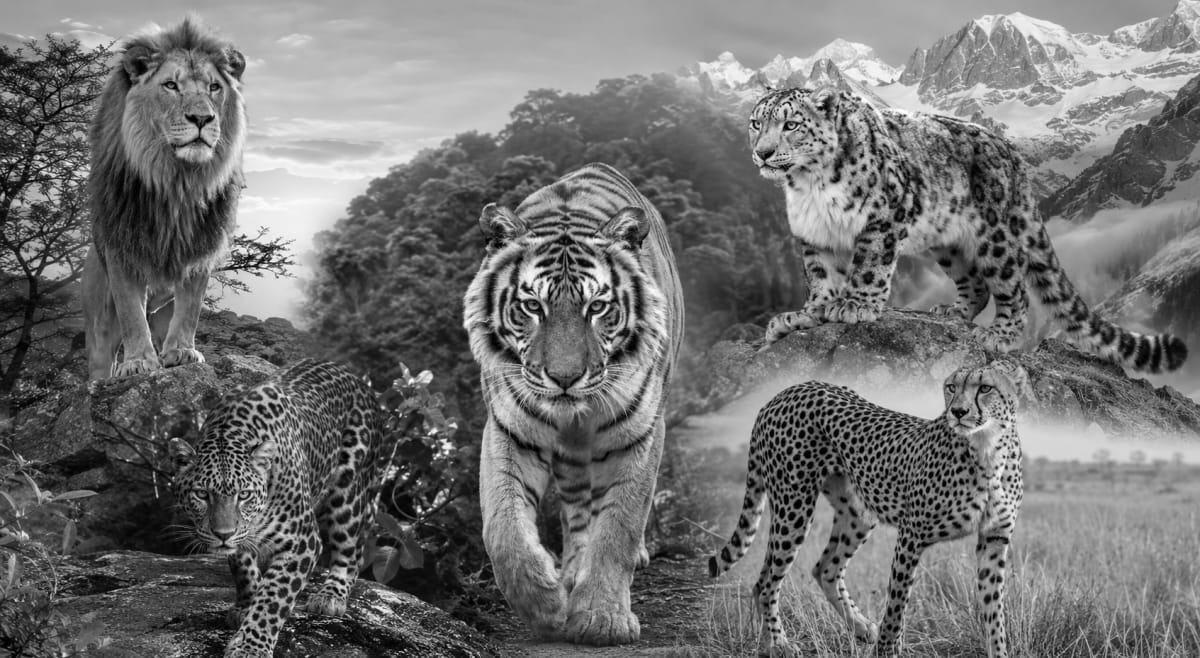
As New Delhi prepares to host the inaugural International Big Cat Alliance summit in 2026, the government announced five conservation events across the country celebrating India's wild big cats: tigers, Asiatic lions, leopards, snow leopards, and cheetahs. Each event will spotlight a different conservation challenge, from managing human-wildlife conflict to restoring grassland ecosystems.
The story began more than 50 years ago when India's wildlife was collapsing. Rampant hunting and shrinking forests pushed tigers toward extinction, with populations plummeting to dangerous lows.
Then Prime Minister Indira Gandhi changed everything. In 1972, she championed the Wildlife Protection Act, banning hunting and creating legal protections for endangered species. A year later, India launched Project Tiger with just nine reserves.
Today, that network has grown to over 50 tiger reserves spanning 75,000 square kilometers. The tiger population has rebounded to 3,682 animals, representing three-quarters of all wild tigers on Earth.
The upcoming events reflect how far India's approach has evolved beyond just protecting animals. In Gir, Gujarat, the Asiatic lion program will showcase how local Maldhari communities became conservation partners. The Bhubaneswar event focuses on helping leopards coexist with villagers and farmers in human-dominated landscapes.
Gangtok's snow leopard program addresses climate change threatening fragile Himalayan ecosystems. Meanwhile, Bhopal's cheetah event emphasizes how bringing back one species can revive entire grassland habitats that were neglected for decades.
Each program brings together government officials, scientists, forest rangers, and local communities to share both victories and ongoing challenges. The tiger recovery created new problems too, particularly increased human-wildlife encounters in states like Maharashtra and Uttarakhand as populations grow.
The Ripple Effect
India's conservation model is reshaping how the world thinks about protecting endangered species. By combining scientific monitoring, anti-poaching technology, habitat expansion, and community involvement, the country demonstrated that even species on the edge of extinction can recover. Other nations now study India's approach, particularly how it balances wildlife protection with the needs of millions of people living near these animals.
The five events will showcase strategies ranging from disease surveillance for lions to conflict mitigation for leopards, offering practical solutions other countries can adapt. India's success proves conservation works best when local communities become active participants rather than obstacles.
From nine tiger reserves to a thriving population that anchors an entire ecosystem, India transformed despair into hope one protected forest at a time.
More Images
Based on reporting by Google News - Conservation Success
This story was written by BrightWire based on verified news reports.
Spread the positivity!
Share this good news with someone who needs it