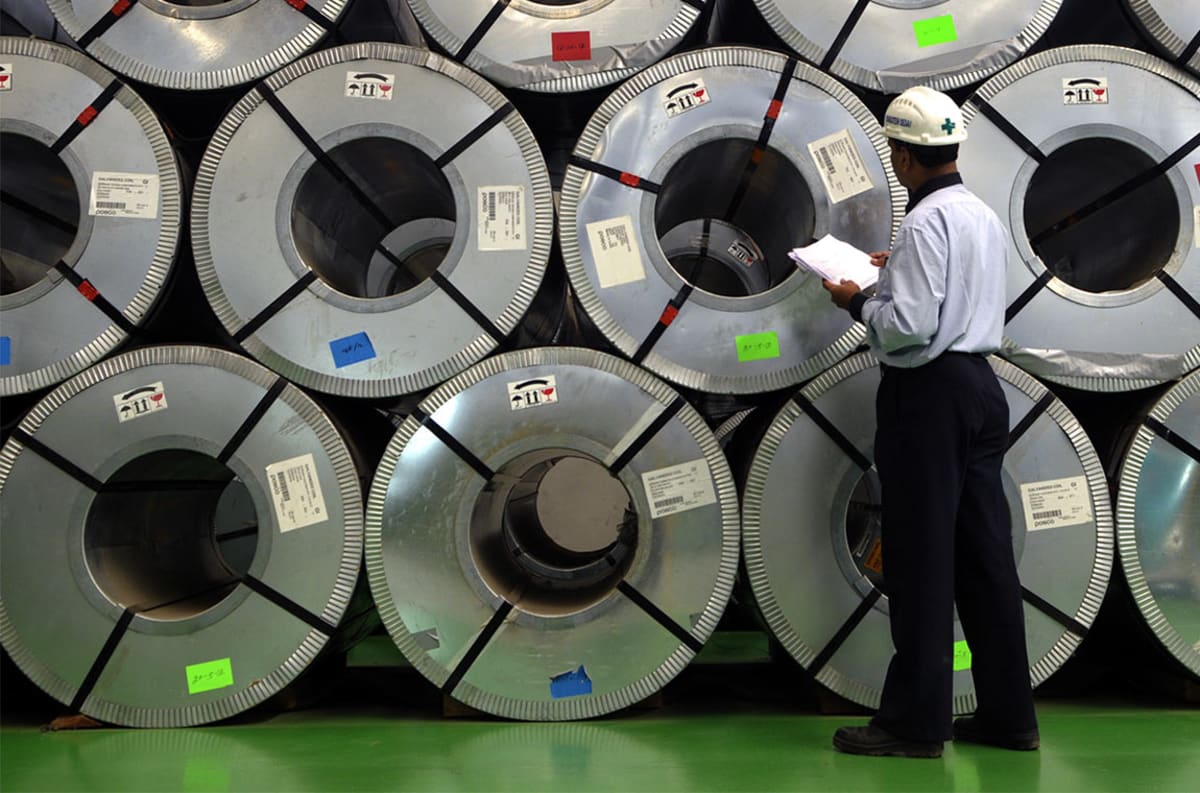
India, Japan, South Korea Team Up on Clean Steel Future
Three major steel-producing nations are joining forces to tackle one of manufacturing's biggest pollution challenges. Their coordinated approach could reshape how the world makes steel while protecting jobs and the planet.
Steel production accounts for 7 percent of global carbon emissions, but three Asian powerhouses just found a way to turn that challenge into opportunity.
India, Japan, and South Korea are crafting a joint strategy to create "green steel" using renewable energy instead of fossil fuels. Together, these countries represent the largest steel-producing alliance outside China, giving them real power to shift the entire industry toward cleaner practices.
The timing matters. New trade rules from Europe will soon require steel exporters to prove their products are low-carbon or face penalties. Rather than seeing this as a burden, the three nations recognized a chance to lead.
Each country brings unique strengths to the table. Japan has cutting-edge clean technology. South Korea excels at scaling innovations quickly. India offers massive manufacturing capacity and a growing green energy sector.
The Ripple Effect
This partnership goes beyond just making cleaner steel. Wind turbines, electric vehicles, and solar panels all depend on steel infrastructure. By greening the steel itself, these countries are accelerating the entire clean energy transition.
The collaboration also addresses a practical challenge that's been hurting steel workers across the region. Cheap imports flooding the market have threatened local industries and jobs. By working together on quality standards and shared technology, the three nations can compete more effectively while employing millions.
Small and medium-sized steel producers will benefit too. The partnership plans to share technology and create certification systems that help smaller companies afford the transition to cleaner production methods.
Researchers estimate global steel demand will hit 2.5 billion tonnes by 2050. Meeting that need without wrecking the climate requires exactly this kind of coordinated action.
One partnership among three nations could help clean up an entire industry while protecting livelihoods across the Indo-Pacific.
Based on reporting by Regional: south korea technology (KR)
This story was written by BrightWire based on verified news reports.
Spread the positivity!
Share this good news with someone who needs it