India Leapfrogs to Clean Energy Faster Than China Did
India is racing past China's clean energy timeline, generating more solar power and electrifying transport faster at similar income levels. The shift is driven by plummeting costs and could chart a path for other developing nations.
India's clean energy revolution is happening faster than anyone expected, and it could change how the entire developing world powers its future.
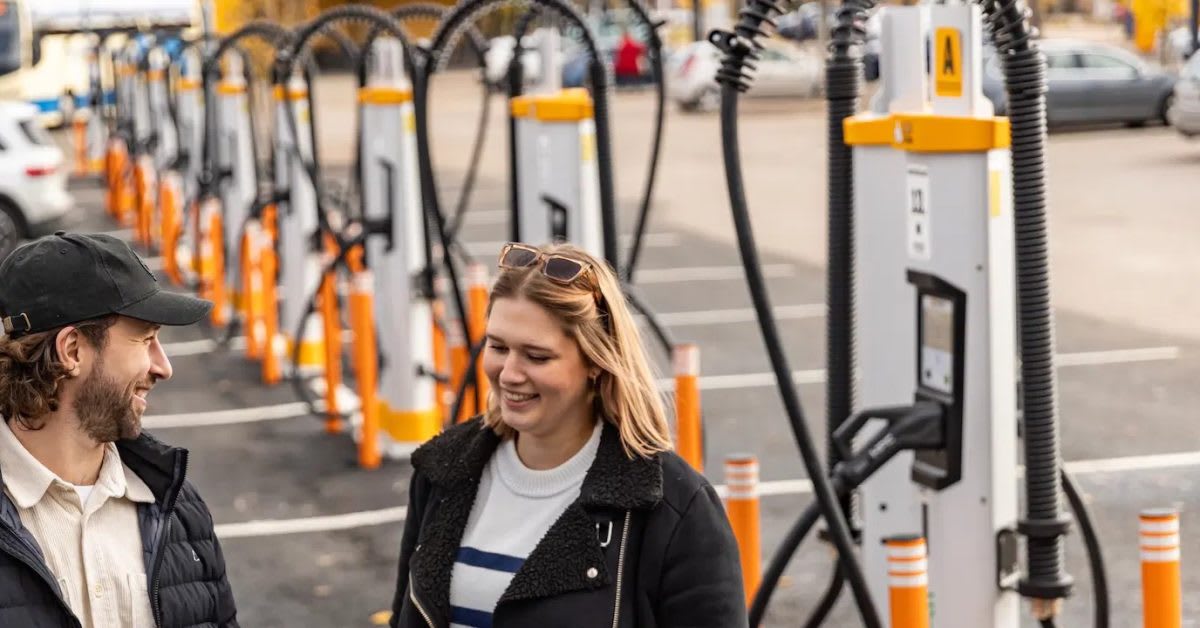
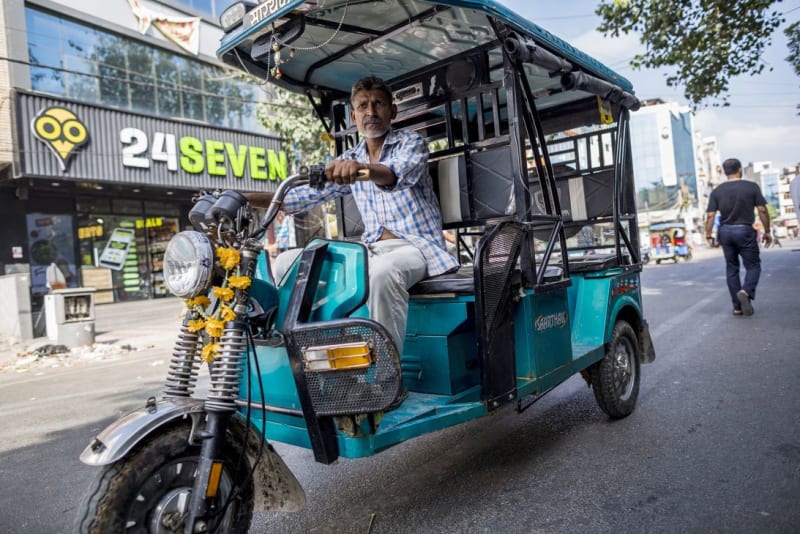
Prem Chand drives an electric rickshaw through Delhi's chaotic streets, saving money and breathing easier. He switched from gas eight months ago when the math made sense: electric was cheaper to run and better for the city's toxic air. "This is good for my pocket and for my environment, so why wouldn't I make the switch?" he said.
His story isn't unique. Across India, nearly 60% of all three-wheeler sales are now electric, from bustling cities to remote rural areas. These e-rickshaws zip between metro stations, offices and homes, quietly reshaping how the world's most populous nation moves.
But transportation is just one piece of India's clean energy puzzle. A new report from climate think tank Ember reveals something remarkable: India is electrifying faster than China did at the same stage of development.
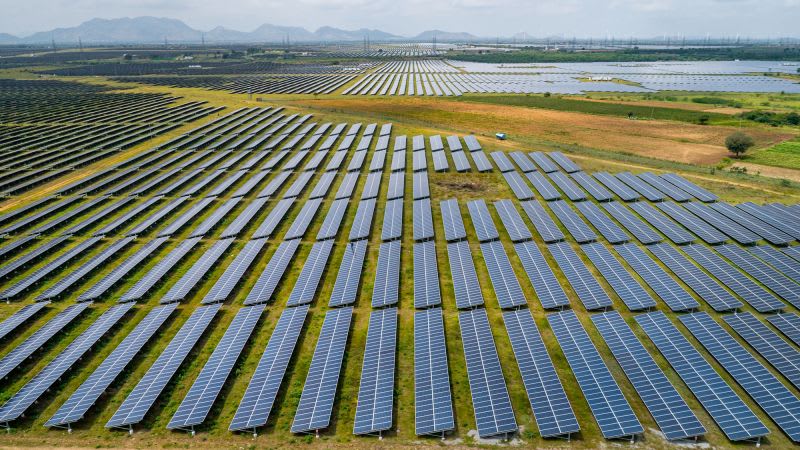
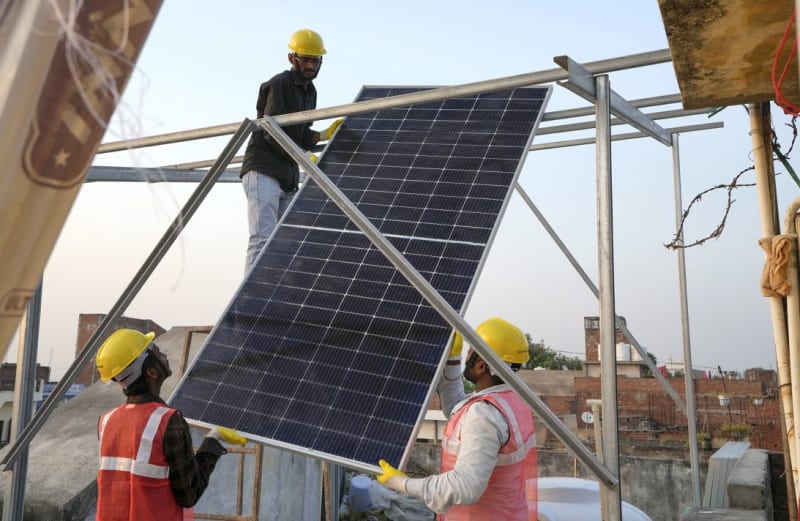
When China had similar income levels to India today (around $11,000 per person) back in 2012, it had virtually no solar capacity. Today, solar makes up 9% of India's electricity mix, making it the world's third-largest solar producer. India's coal consumption is roughly 40% of what China's was at this stage, and its oil demand for transport is about half.
The reason behind this leapfrog isn't virtue. It's economics. In 2004, when China used similar energy per person as India does now, coal was ten times cheaper than solar. Today, solar energy plus storage costs about half as much as new coal plants. Battery prices alone dropped 40% in 2024.
The Ripple Effect
What happens in India matters for everyone. As the planet's third-biggest climate polluter, India's choices ripple across the globe. But more importantly, it's proving that developing nations don't have to follow the fossil fuel path that rich countries took.
India still imports close to 90% of its oil and half its gas, leaving it vulnerable to price shocks and geopolitical chaos. Clean energy offers something precious: energy independence. Solar panels and wind turbines don't rely on unstable foreign suppliers or volatile global markets.
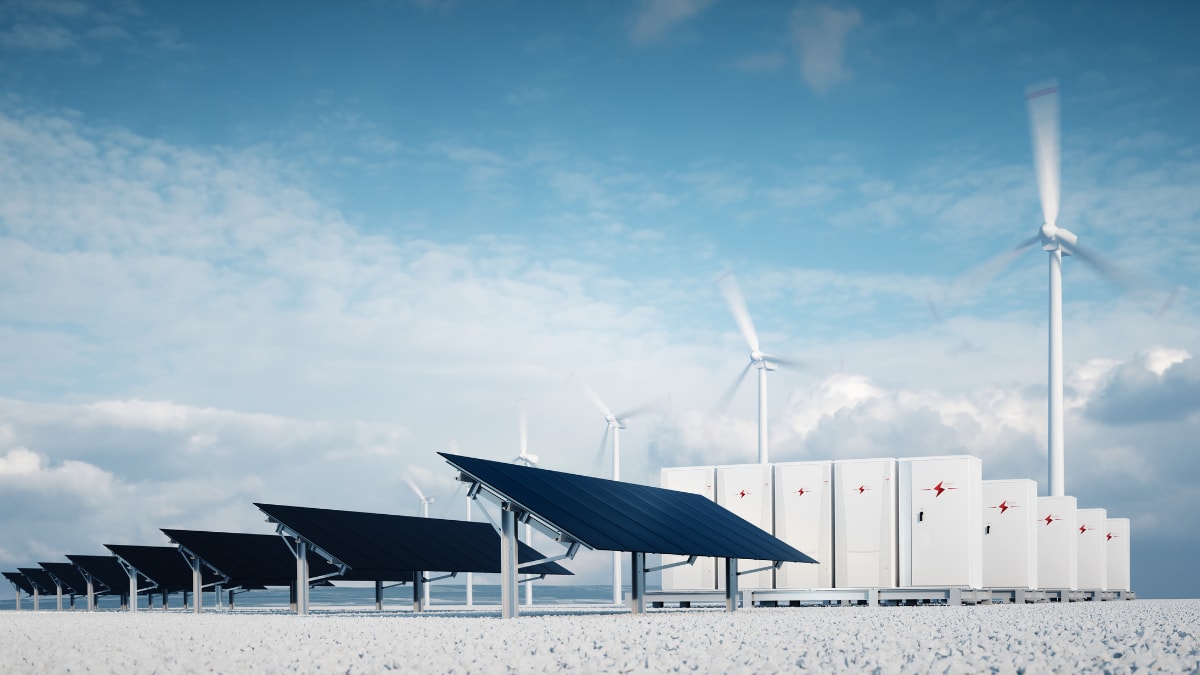
Other emerging economies are watching closely. If India can harness cheap solar and wind to power its economic growth, so can they. The country has already boosted solar module production twelve-fold over the last decade and launched a national mission to produce critical minerals domestically.
A massive trade deal signed last month between India and the European Union signals growing appetite for alternatives to China's supply chain dominance. As the US becomes a less reliable trade partner under changing administrations, India's clean energy pathway looks increasingly attractive to other nations.
The revolution is messy. Plenty of e-rickshaws run unauthorized, some using stolen electricity. India still plans to expand coal over the next two decades, and oil consumption keeps growing. But the trajectory is clear: clean energy is winning because it's cheaper, cleaner and more secure.
India is proving that the future of energy isn't just cleaner—it's arriving faster than anyone predicted.
More Images
Based on reporting by Google News - Clean Energy
This story was written by BrightWire based on verified news reports.
Spread the positivity!
Share this good news with someone who needs it