India Now Protects 98 Wetlands After Two New Designations
Two wetlands in India just earned global protection status, bringing the country's total to 98 sites that safeguard countless birds and wildlife. The designations mark a 276% expansion in protected wetlands since 2014.
India just added two more precious havens for wildlife to its growing network of internationally protected wetlands, and the news is making conservationists celebrate across the country.
Patna Bird Sanctuary in Uttar Pradesh and Chhari-Dhand wetland in Gujarat have been designated as Ramsar sites, earning them recognition under a global conservation framework. This brings India's total protected wetlands to 98, up from just 26 in 2014.
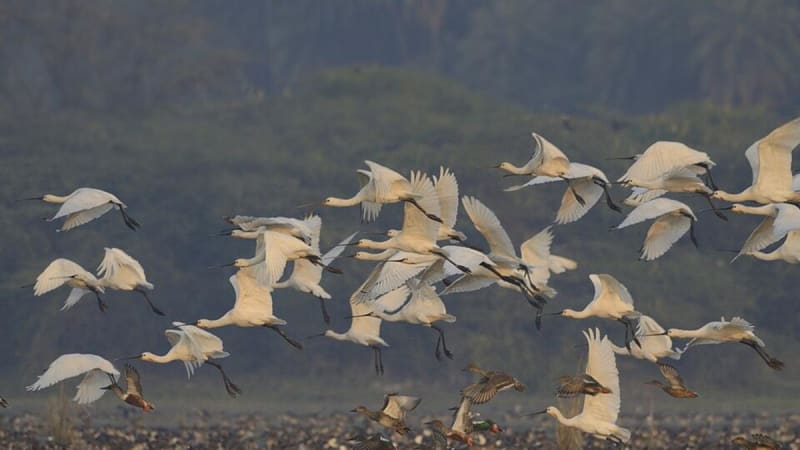
The two wetlands are home to hundreds of migratory and resident bird species. Chhari-Dhand in Gujarat's Kutch region also shelters chinkaras, wolves, caracals, desert cats, and desert foxes, while both sites provide critical habitat for several endangered bird species.
Prime Minister Narendra Modi congratulated local communities and wetland advocates who worked to achieve the designations. "May these wetlands continue to thrive as safe habitats for countless migratory and native species," he said.
Environment Minister Bhupendra Yadav highlighted the impressive growth, noting that India's Ramsar network has expanded by over 276% in the past decade. The achievement reflects sustained commitment from both government agencies and local communities who understand the value of preserving these unique ecosystems.
The Ripple Effect
Wetlands do far more than shelter birds. They filter water, prevent flooding, store carbon, and support the livelihoods of millions who depend on them for fishing, farming, and tourism. By protecting these areas under international law, India ensures they remain healthy for generations to come.
The Ramsar designation also puts these sites on the global conservation map, potentially attracting research, funding, and eco-tourism that benefits local economies. Communities living near protected wetlands often become their fiercest defenders, creating a positive cycle of conservation and economic opportunity.
For the migratory birds that travel thousands of miles each year, these wetlands serve as essential rest stops and breeding grounds. Protecting them means protecting ancient migration routes that connect continents.
India's growing network of protected wetlands shows what's possible when conservation becomes a national priority backed by local action.
Based on reporting by The Hindu
This story was written by BrightWire based on verified news reports.
Spread the positivity!
Share this good news with someone who needs it