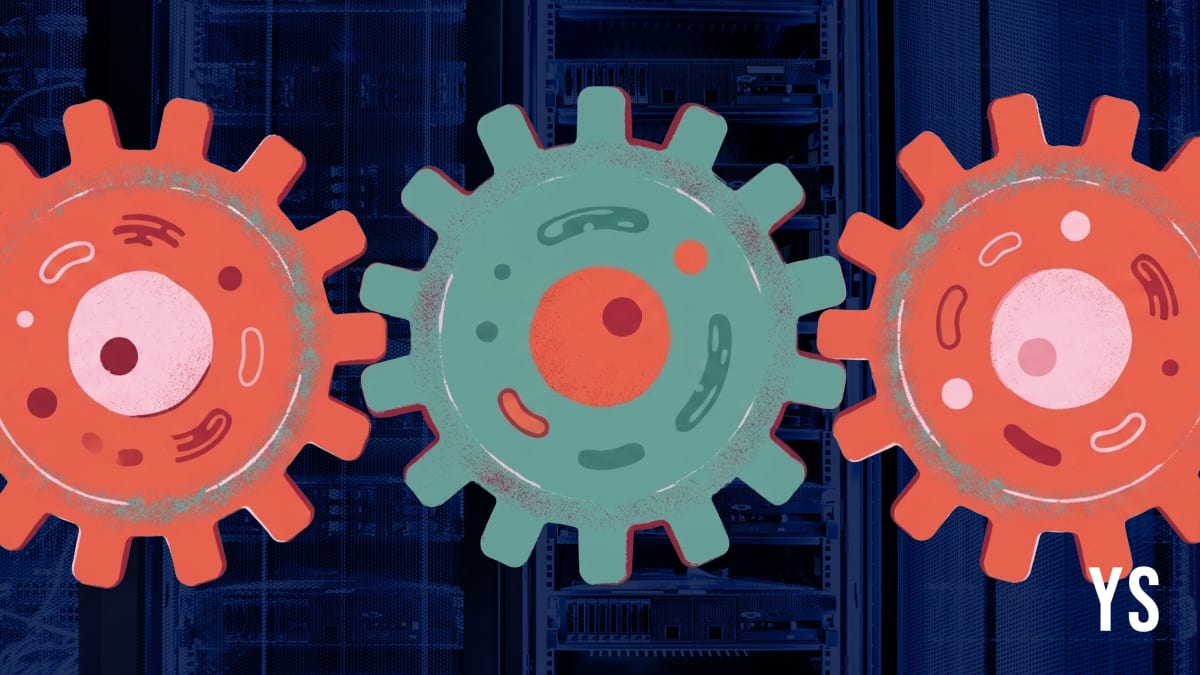
India Plans $2.6T Green Bioeconomy Creating 30M Jobs
India just unveiled an ambitious roadmap to become a global biotechnology powerhouse by 2047, scaling its bioeconomy sixteen-fold while creating 30 million high-value jobs. The plan could position the nation among the world's top three biotechnology powers within a generation.
India's bioeconomy has quietly exploded from $10 billion to $195 billion in just a decade, and now the country is aiming even higher with a bold new vision that could reshape its future.
NITI Aayog, India's premier policy think tank, just released a comprehensive roadmap showing how the country can grow its bioeconomy to $691 billion by 2035 and an impressive $2.6 trillion by 2047. The plan would create over 30 million high-value jobs and establish India as one of the world's top three biotechnology powers.
A bioeconomy uses renewable biological materials like plants, microbes, and organic waste to produce everything from food and medicine to energy and industrial goods. It's a cleaner, more sustainable alternative to traditional manufacturing that relies on fossil fuels.
The transformation won't happen by accident. The roadmap calls for mission-mode national initiatives to scale priority sectors, cross-ministerial coordination, streamlined regulatory approvals, and a Rs 50,000 crore (approximately $6 billion) BioEconomy Growth Fund to support innovation and infrastructure.
What makes this moment particularly exciting is the timing. India's bioeconomy already contributes 4.8% to the national GDP, having grown sixteen-fold since 2014. The country now stands at what NITI Aayog member Gobardhan Das calls "a golden age of biology, comparable to the computing revolution of the 1970s."
The next frontier combines biotechnology with artificial intelligence, robotics, computational biology, and biosensor networks. India isn't just trying to catch up with global leaders; it's positioning itself to help write the rules for this emerging biological age.
Other major powers are already racing ahead. The United States has adopted a whole-of-government approach to biomanufacturing, the European Union is linking biotechnology to climate goals, and China is deploying five-year plans to industrialize at scale.
The Ripple Effect
This isn't just about economic growth or technological prowess. A thriving bioeconomy means cleaner air and water, sustainable alternatives to plastic and petroleum, breakthrough medical treatments, and millions of green jobs for future generations.
The shift from traditional biological research to AI-enabled biotechnology could position India not just as a participant in this global transformation, but as a leader helping shape the markets and platforms of the biological century. Early action now could give India the same advantage in biotechnology that early internet adoption gave to Silicon Valley.
The roadmap emphasizes that success requires deeper collaboration across government ministries, universities, industry, and startups working together toward shared goals. India's young, tech-savvy population and growing startup ecosystem give it natural advantages in this emerging field.
A future where India leads the world in sustainable biotechnology isn't just possible; it's already taking shape.
More Images



Based on reporting by YourStory India
This story was written by BrightWire based on verified news reports.
Spread the positivity!
Share this good news with someone who needs it
%2Fhttps%3A%2F%2Ftf-cmsv2-smithsonianmag-media.s3.amazonaws.com%2Ffiler_public%2Fb8%2F5e%2Fb85ec0c4-468f-4a60-9021-4a6d41a63e39%2Falfie-bailey.png)