India Saves 5 Rare Mango Varieties From Extinction
Traditional Indian mangoes like Karuppatti Kai and Batasha are disappearing as commercial farms favor hybrids. Communities across India are racing to preserve these heritage fruits before they vanish forever.
Imagine losing a piece of your culture one mango at a time. That's what's happening across India as rare, traditional mango varieties quietly disappear from orchards and markets.
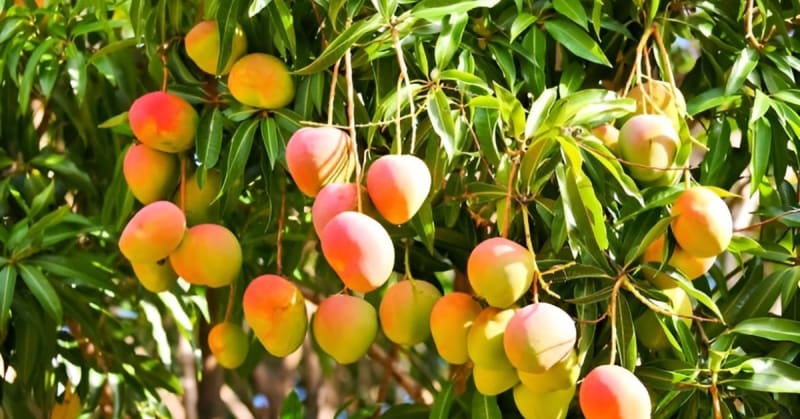
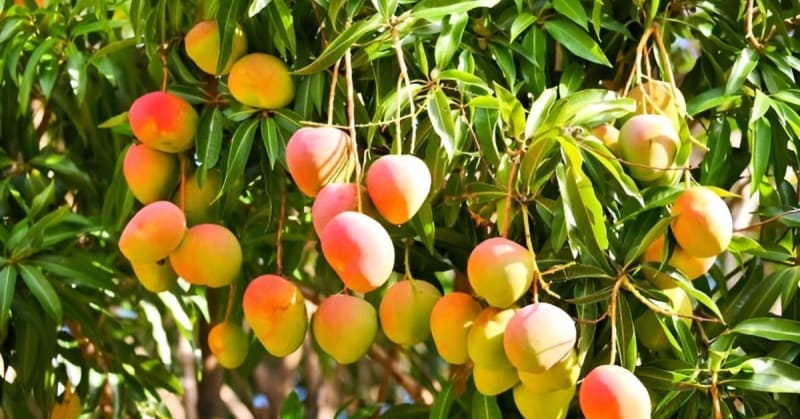
Five indigenous mango types are teetering on the edge of extinction. Tamil Nadu's Karuppatti Kai tastes like palm jaggery and was once a pickling staple. Kerala's Kannimanga, whose name means "virgin mango," brings tangy bursts to traditional dishes. Karnataka's golden Kalbhavi Maavu once filled coastal markets with its rich aroma.
In West Bengal, the Batasha mango earned its name from sugar confections because of its exceptional sweetness. Andhra Pradesh's Amma Chettu, or "Mother Tree," provided shade and abundance across rural landscapes for generations.
These varieties aren't just fruits. They're living recipes, childhood memories, and cultural touchstones passed down through families for centuries.
The culprits behind their decline are straightforward. Commercial farms chase high yields and disease resistance, leaving traditional varieties behind. Modern markets want picture-perfect mangoes without blemishes, not the odd-shaped treasures that taste incredible. Cities expand into orchards, swallowing the land these trees need. Young people grow up never tasting what their grandparents cherished.
But hope grows in unexpected places. Local communities are fighting back with determination and love for their heritage. Farmers are replanting rare varieties in small orchards. Food enthusiasts document traditional recipes before they disappear. Agriculturalists teach younger generations why these mangoes matter beyond their market value.
The Ripple Effect
Saving these mangoes protects far more than fruit trees. Each variety carries genetic diversity that could help future crops survive diseases or climate changes. Traditional farming knowledge stays alive when communities tend heritage orchards. Local cuisines remain authentic when original ingredients survive.
The preservation work connects generations too. Grandparents share stories about Batasha mangoes while helping plant new saplings. Children learn that value isn't always measured in perfect appearance or shipping convenience.
Every heritage mango tree that survives keeps a small piece of India's soul intact.
More Images
%2Fenglish-betterindia%2Fmedia%2Fpost_attachments%2Fuploads%2F2025%2F04%2FMervin-Feature-image-2025-04-25T142030.626-1745571043.jpg)
%2Fenglish-betterindia%2Fmedia%2Fpost_attachments%2Fuploads%2F2025%2F04%2FMervin-Feature-image-2025-04-25T151611.659-1745575977.jpg)
Based on reporting by The Better India
This story was written by BrightWire based on verified news reports.
Spread the positivity!
Share this good news with someone who needs it