India Shifts to Electric Cooking as Oil Prices Surge
Rising global oil prices are pushing Indian households and businesses toward electric cooking, offering a cleaner, cheaper alternative. The unexpected crisis is accelerating an energy transition that could strengthen India's independence from imported fuels.
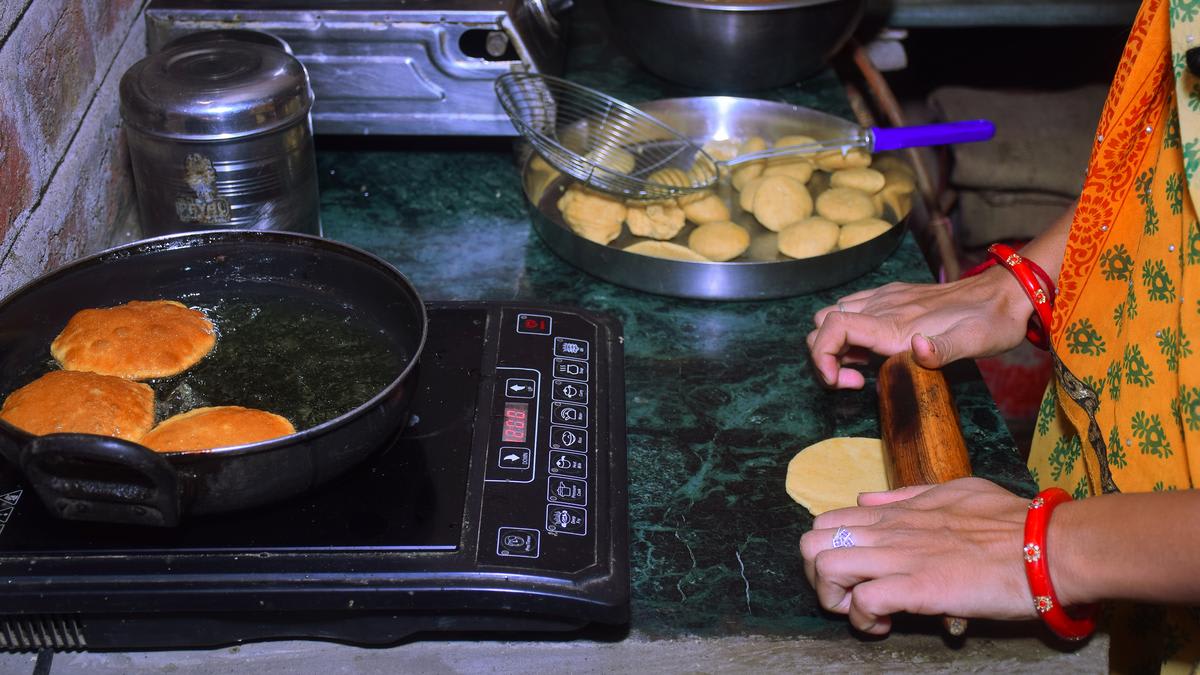
When global oil prices climbed past $100 per barrel, Indian families suddenly found themselves racing to appliance stores for a surprising purchase: induction cooktops.
The surge, triggered by tensions in West Asia, disrupted India's liquefied petroleum gas supply and sent costs soaring. Small restaurants and cloud kitchens watched their fuel bills climb while cylinder deliveries slowed across major cities.
But the disruption sparked an unexpected win. Urban retailers report surging demand for electric cooking appliances as households discover a practical alternative that's been quietly gaining ground.
The numbers tell a compelling story. At current rates, a typical Indian household spends about 6,800 rupees yearly on LPG for cooking versus just 5,900 rupees using electricity. The savings come from efficiency: induction cooking operates at 80 to 85 percent efficiency while LPG stoves achieve only 45 to 55 percent due to heat loss.
"E-cooking offers an opportunity to reduce reliance on imported fuels while improving the efficiency of household energy use," said Neha Dhingra, Director of the India Programme at CLASP, a nonprofit focused on energy efficiency.
India imports over 93 percent of its LPG supply increase since 2011, making the country vulnerable to every geopolitical tremor in oil-producing regions. Electricity, generated domestically, stays insulated from these international shocks.
The shift faces real challenges. Most induction cooktops are single-zone units, while traditional LPG stoves have multiple burners for preparing several dishes simultaneously. Deeply rooted cooking habits and the need for compatible cookware also slow adoption.
Yet many households are finding creative solutions. Families often use induction as a complementary technology, keeping one electric burner alongside their gas stove for specific tasks.
The Ripple Effect
The transition extends beyond individual kitchens. Every household switching to electric cooking reduces India's dependence on imported fuel, strengthening the nation's energy security. With each induction cooktop purchased, the country moves closer to buffering itself against volatile global markets.
The government is taking notice too. Officials are diversifying natural gas suppliers and exploring alternative routes to reduce supply vulnerabilities from West Asia.
A recent study found electric cooking remains cost-competitive even if electricity prices rise to 7 rupees per kilowatt-hour. If LPG were priced at market rates without subsidies, electric would stay cheaper even at 9.1 rupees per kilowatt-hour.
What started as a supply crisis is revealing a pathway forward. Indian families aren't just adapting to disruption; they're discovering technology that saves money, cooks more efficiently, and reduces their exposure to global energy volatility.
The oil shock that threatened household budgets may ultimately accelerate India's journey toward cleaner, more secure domestic energy.
Based on reporting by The Hindu
This story was written by BrightWire based on verified news reports.
Spread the positivity!
Share this good news with someone who needs it