India Tests Underground Heat Power in Ladakh Mountains
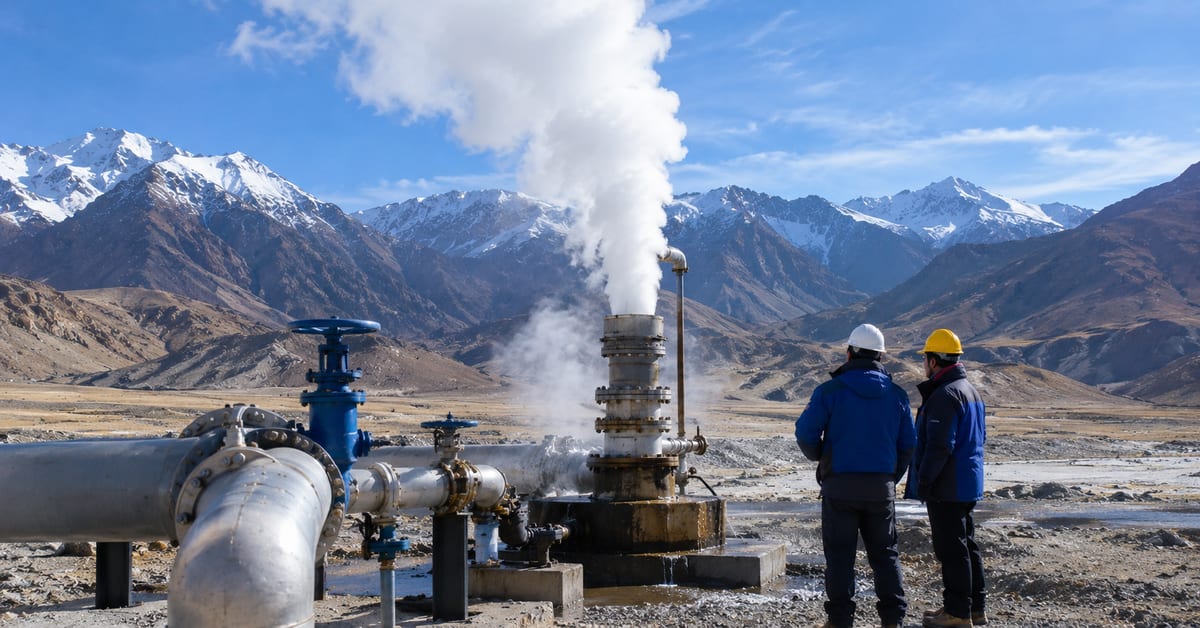
At 14,000 feet above sea level, India just drilled two wells that tap Earth's natural heat for clean energy that works day and night. The pilot project in Ladakh could unlock five new ways to use geothermal power beyond just making electricity.
Deep beneath Ladakh's Puga Valley, engineers have tapped into heat that could keep running when the sun sets and the wind stops blowing.
In July 2026, India commissioned two geothermal wells reaching 1,000 meters underground, where temperatures hit 135 degrees Celsius. The ONGC Energy Centre drilled through some of the country's harshest terrain to create what will become India's first demonstration-scale geothermal power project.
Unlike solar panels or wind turbines, geothermal energy works around the clock. India has an estimated 10 gigawatts of geothermal potential waiting underground, according to the Ministry of New and Renewable Energy.
But electricity generation is just the beginning. The naturally occurring heat beneath our feet could warm homes in regions where winters are brutal and heating fuel is expensive. Hot water from underground reservoirs can flow directly into buildings or power heat pumps that keep spaces comfortable year round.
Farmers in cold, high-altitude areas could use geothermal heat to maintain greenhouse temperatures, growing vegetables even when snow blankets the ground outside. The Food and Agriculture Organization found that geothermal greenhouse heating cuts fuel costs and reduces fungal infections in crops.
The same heat could dry harvested crops, helping India tackle its persistent food waste problem. Fruits, vegetables, and grains last longer when properly dried, and geothermal heat offers a renewable way to power that process without burning conventional fuels.
Industries that need heat for pasteurization, washing, and processing could tap into nearby geothermal wells. Other countries already use geothermal energy for milk processing, laundry operations, and agricultural production, proving the technology works beyond the lab.
The Ripple Effect
The Puga Valley project matters because it shows India exploring energy solutions that don't compete with farmland or depend on weather conditions. Geothermal wells take up little surface space and provide steady output whether it's cloudy, calm, or the middle of the night.
For Ladakh specifically, where extreme weather and short working seasons make everything harder, having a local source of reliable heat and power could reduce dependence on fuel trucked in from far away. The same principle could apply anywhere India's geological conditions support geothermal development.
The International Renewable Energy Agency lists geothermal heating among established renewable technologies ready for wider adoption. India now has working wells to learn from, test with, and potentially replicate in other regions sitting above hot underground reservoirs.
What started as a pilot project in a remote mountain valley might help rewrite how India thinks about keeping homes warm, food fresh, and industries running on clean energy that never takes a day off.
More Images
%2Fenglish-betterindia%2Fmedia%2Fmedia_files%2F2026%2F09%2F07%2Fgeothermal-energy-in-india-2026-09-07-14-22-59.png)
%2Ffilters%3Aformat(webp)%2Fenglish-betterindia%2Fmedia%2Fmedia_files%2F2026%2F09%2F07%2Fgeothermal-energy-in-india-2026-09-07-14-48-15.png)
%2Ffilters%3Aformat(webp)%2Fenglish-betterindia%2Fmedia%2Fmedia_files%2F2026%2F09%2F07%2Fgeothermal-energy-in-india-2026-09-07-14-53-22.png)
Based on reporting by The Better India
This story was written by BrightWire based on verified news reports.
Spread the positivity!
Share this good news with someone who needs it