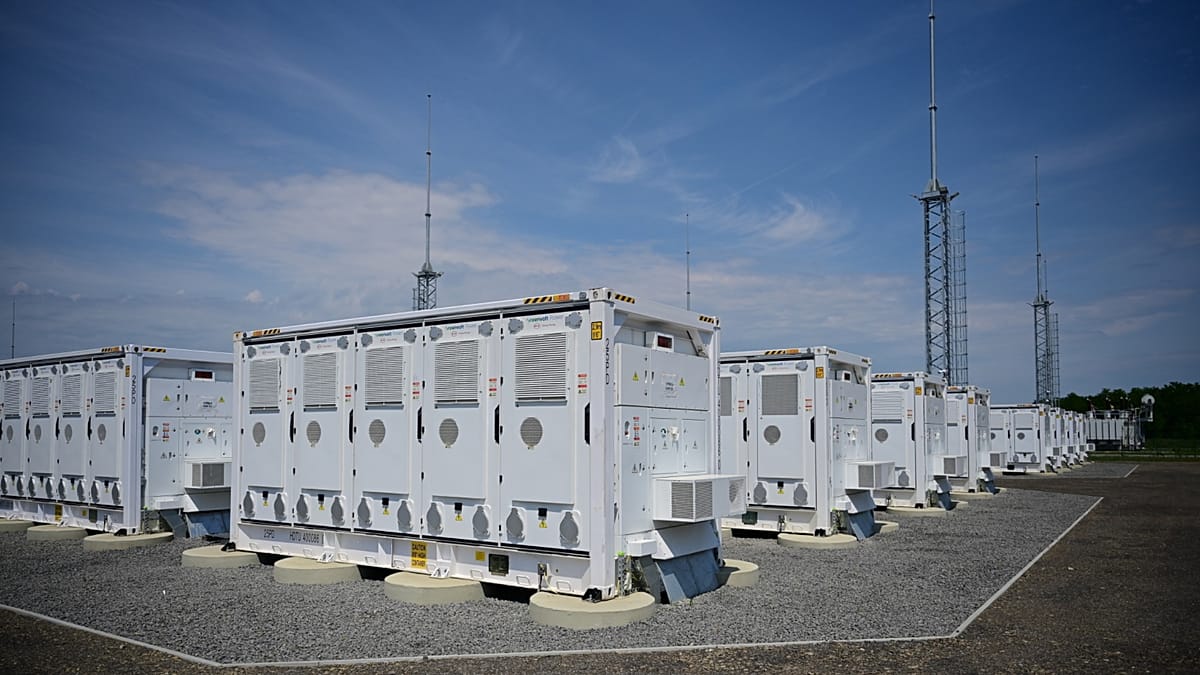
India Turns Old EV Batteries Into $9 Billion Opportunity
India's growing mountain of used electric vehicle batteries isn't waste. It's an urban gold mine that could supply 40% of the country's critical minerals by 2050.
Your electric scooter battery dies after five years, but the valuable materials inside are just getting started on their second life.
India expects 30 million electric vehicles on its roads by 2032. Those batteries will eventually need replacing, creating what experts call an "urban mine" worth billions.
By 2030, India will generate 128 gigawatt hours of battery waste. Hidden inside that waste sits 17,500 tonnes of lithium, 22,600 tonnes of nickel, 2,600 tonnes of cobalt, and 141,800 tonnes of graphite. These are the exact materials needed to build new batteries.
For a country with limited mineral reserves, this represents a $9 billion market opportunity. By 2050, recycling these batteries domestically could supply over 40% of India's lithium, nickel, and cobalt needs without importing a gram.
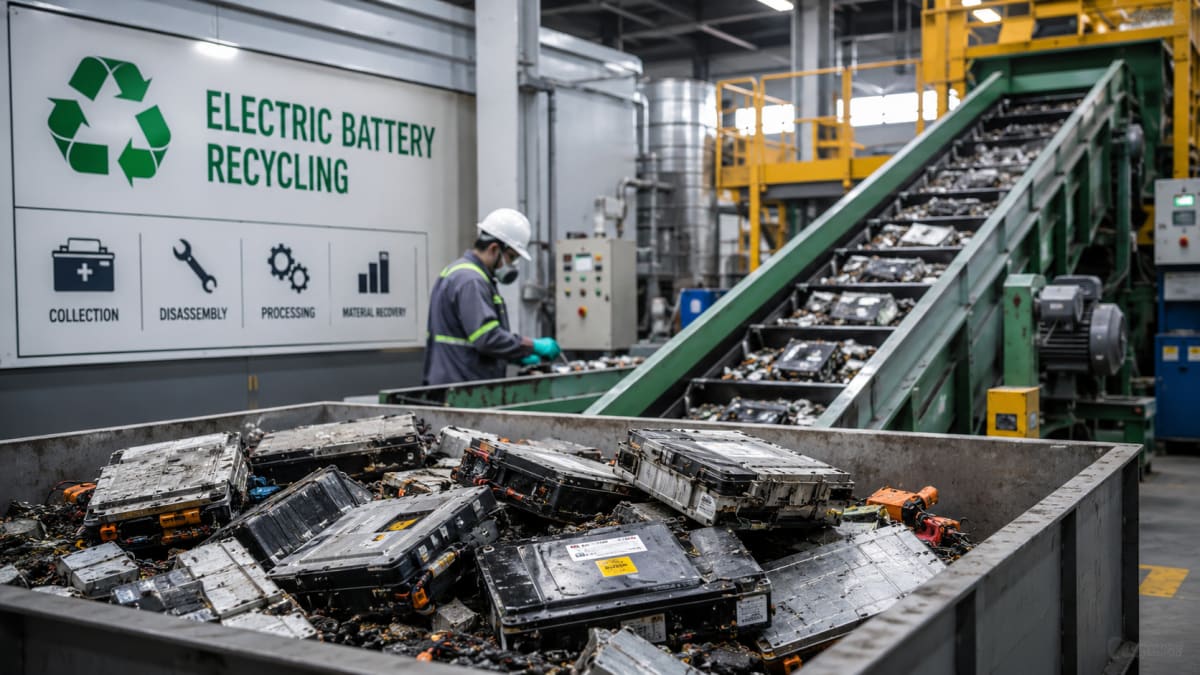
The recycling process sounds almost magical. Used batteries get safely discharged and carefully dismantled in controlled facilities. Shredding separates the plastics and metal foils from a fine dark powder called "black mass."
That powder contains the concentrated minerals that power our clean energy future. Advanced refining extracts these metals with over 90% efficiency, ready to go straight back into new batteries or other manufacturing.
The Bright Side
India recently started refining black mass domestically instead of shipping it overseas. This keeps billions of dollars in value within the country's manufacturing ecosystem, strengthening battery, chemical, and materials industries all at once.
Companies like Metastable Materials are proving the technology works at commercial scale. Their chemistry-agnostic approach can handle different battery types efficiently, making recycling viable even as battery chemistry evolves.
The 2022 Battery Waste Management Rules introduced Extended Producer Responsibility, creating a formal system to direct old batteries to licensed recyclers. Better tracking systems will ensure batteries stay in the formal economy instead of disappearing into unsafe informal recycling operations.
The challenges remain real. Lithium Iron Phosphate batteries, increasingly popular for their safety and cost, contain less valuable metals than premium batteries. Making their recycling profitable may require government support through targeted incentives.
Securing enough feedstock matters too. An estimated 70% to 90% of India's battery waste currently vanishes into unregulated channels, causing environmental damage and losing valuable materials.
But the vision is clear and achievable. India's battery waste problem is actually a resource security solution waiting to happen, turning yesterday's commute into tomorrow's clean energy infrastructure.
More Images



Based on reporting by YourStory India
This story was written by BrightWire based on verified news reports.
Spread the positivity!
Share this good news with someone who needs it