India Turns 'Worthless Weed' Into Booming Spirits Industry
Indian farmers are transforming wild agave plants they once considered useless into a thriving industry worth millions. What started as kitchen experiments in 2011 has sparked India's fastest-growing spirits category, expanding at 31% annually.
For decades, Masapalli Venkatesh saw the spiky agave plants on his 10-acre farm as nothing more than stubborn weeds good only for keeping wild animals away. Then traders came calling in 2010, and everything changed.
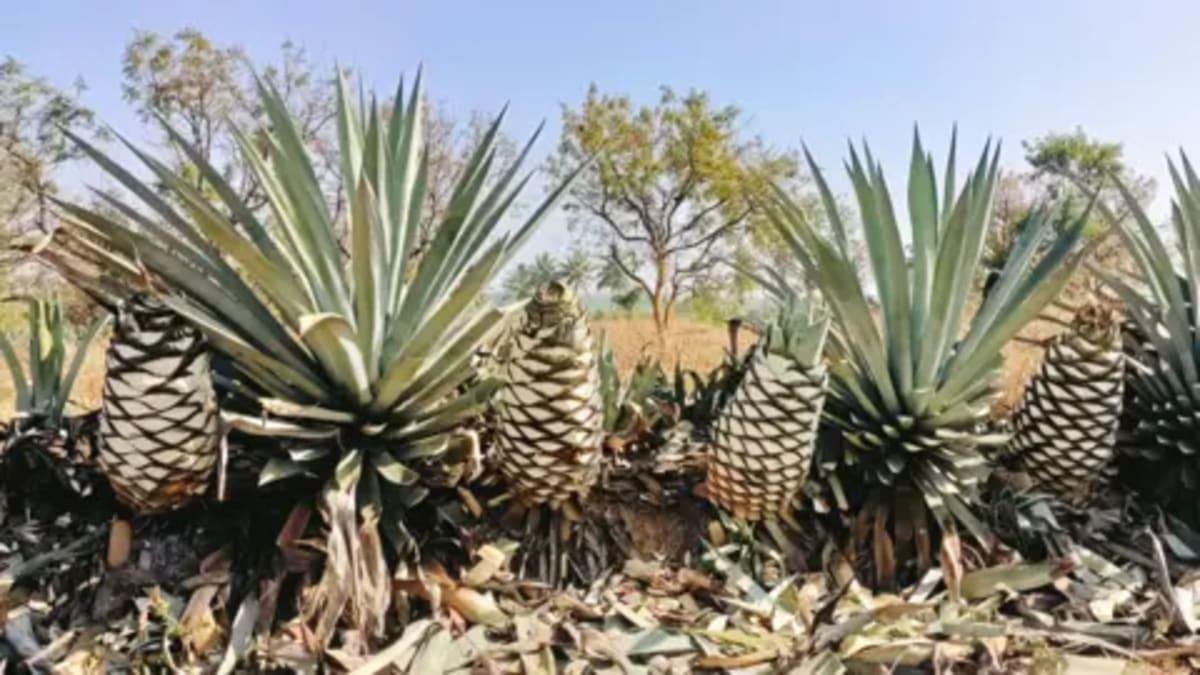
The agave cactus growing wild across India's Deccan Plateau is part of the same plant family that feeds the $15 billion global tequila market. While Mexico farms blue agave in massive plantations, Indian entrepreneurs discovered something better: millions of wild plants growing free across southern and central India, earning the nickname "blue gold."
Venkatesh now coordinates harvests across 60 miles, connecting villagers and farmers to supply India's emerging agave spirits industry. He's part of a growing network turning overlooked plants into premium income.
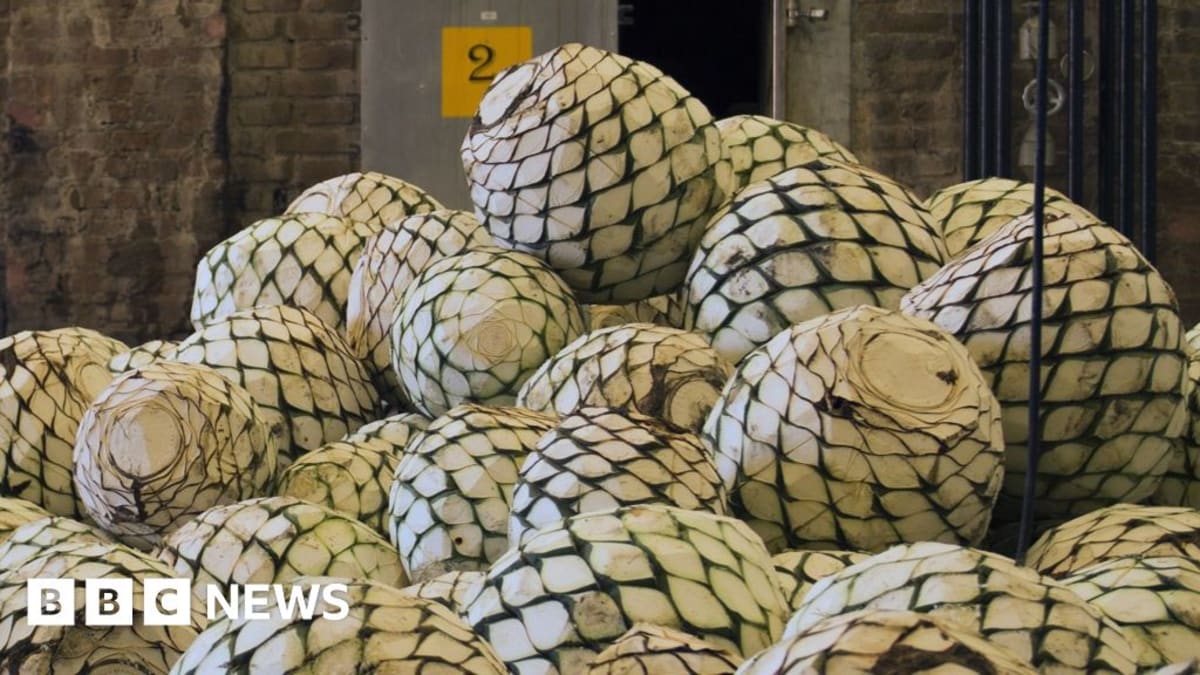
Harvesting requires perfect timing and skill. Workers chop away spiky leaves to reveal the heart, called a piña because it resembles a giant pineapple. Miss the narrow window before blooming, and the plant's sugar drains into the flower stalk within days, making it worthless for spirits.
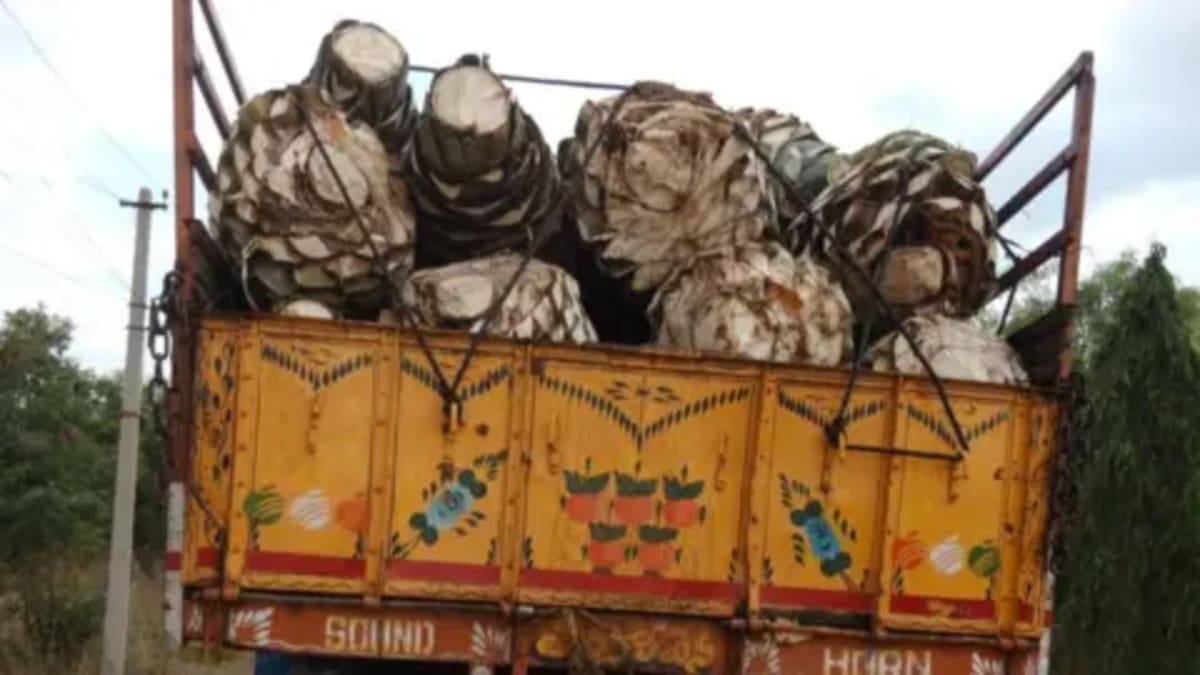
Once harvested, teams race against the clock to deliver piñas to processing plants within 24 hours. Any delay causes the internal sugars to rot and ferment unpredictably, destroying the delicate flavors needed for premium drinks.
Desmond Nazareth pioneered this industry after 12 years of kitchen experiments, launching India's first homegrown agave spirit in 2011. Now he uses satellite imagery to match environmental patterns and identify the best growing regions, crucial because agave takes 9 to 13 years to mature.
The timing couldn't be better. India's agave spirits market is exploding at 31% annual growth as consumers embrace new flavors beyond whisky, the country's traditional favorite.
The Ripple Effect
This emerging industry is creating unexpected opportunities across rural India. Farmers who once cleared agave as a nuisance now earn premium income from coordinating harvests across multiple properties. Local aggregators scout semi-wild patches growing on marginal lands and property boundaries, bringing income to areas where traditional crops struggle.
Wild agave supplies should remain plentiful for years despite growing demand. The plants naturally propagate through underground root runners that send out clones every few feet, creating large colonies without human intervention. One mother plant can produce dozens of offspring across an area over her 10 to 20 year lifespan.
Industry experts say Indian producers are shaping a unique agave identity distinct from Mexican tequila. The wild plants from the Deccan Plateau create different flavor profiles, moving the category from curiosity to credible alternative in India's evolving spirits market.
What started as one man's kitchen experiments has grown into an industry transforming how rural India sees the plants growing in their fields: not as weeds, but as golden opportunity.
More Images

Based on reporting by BBC Technology
This story was written by BrightWire based on verified news reports.
Spread the positivity!
Share this good news with someone who needs it