India Unveils Electric Flying Taxi Prototype in Chennai
An IIT Madras startup just revealed India's first full-scale electric flying taxi, bringing the country into the global race for cleaner urban air travel. The e200X could transform how cities handle emergency medical transport and crowded commutes.
India just moved one step closer to a future where taxis fly above traffic jams instead of sitting in them.
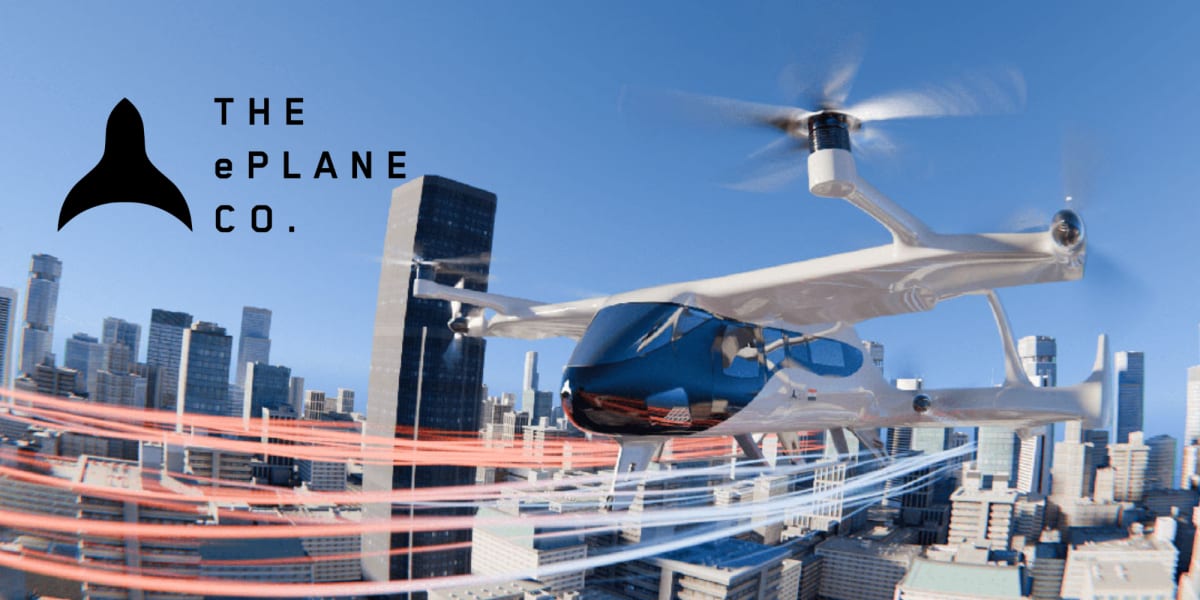
The ePlane Company, a startup born from IIT Madras, unveiled its full-scale electric flying taxi prototype this week at a new 60,000 square foot manufacturing facility in Chennai. The e200X represents India's ambitious push into electric air mobility, offering a glimpse of how crowded cities might solve their transportation challenges.
The aircraft is what engineers call an eVTOL, which stands for electric vertical take-off and landing. It can lift off like a helicopter without needing a runway, then transition into forward flight like a plane. This design makes it perfect for cities where open land is scarce and building new airports isn't realistic.
The prototype features a carbon fiber body, weighs about 2.2 tonnes, and can travel roughly 110 kilometers on a single charge. With an eight meter wingspan, the e200X is designed for passenger transport, cargo deliveries, and emergency medical services where every minute counts.
Founded in 2019 by IIT Madras professor Satya Chakravarthy and entrepreneur Pranjal Mehta, The ePlane Company has already raised $21.5 million from investors. The startup focuses on what experts call mid-mile mobility, connecting key locations within cities over moderate distances using existing helipads rather than requiring expensive new infrastructure.
The company recently became the first private Indian firm to receive Design Organisation Approval from India's aviation authority for an electric aircraft. Full flight testing of the e200X is scheduled to begin by mid-2027, with commercial services still years away pending certification and regulatory approval.
The Ripple Effect
India's cities face some of the world's worst traffic congestion and air pollution. While flying taxis won't replace metros or buses anytime soon, they could revolutionize emergency medical transport in cities where ambulances sit stuck in gridlock. Time-sensitive organ deliveries, critical patient transfers, and rapid response situations could all benefit from aircraft that skip ground traffic entirely.
The unveiling also signals India's entrance into the global urban air mobility race alongside companies in the United States, Europe, and China. If successful, the e200X could spark an entire ecosystem of Indian-built electric aircraft, creating manufacturing jobs and positioning the country as a leader in next-generation transportation technology.
The technology still faces significant hurdles including battery limitations, noise concerns, and air traffic management in already crowded urban skies. But each milestone brings the vision closer to reality.
A decade ago, electric flying taxis seemed like science fiction, but India just proved it's ready to help write the next chapter of urban transportation.
More Images




Based on reporting by YourStory India
This story was written by BrightWire based on verified news reports.
Spread the positivity!
Share this good news with someone who needs it