Indian Cities Revive Ancient Recycling Habits With Digital Twist
Kochi and Mangaluru are transforming India's traditional kabadiwala culture into modern swap shops, repair fairs, and app-based recycling services. After a devastating landfill fire exposed the waste crisis, communities are rediscovering that reuse was always part of Indian life.
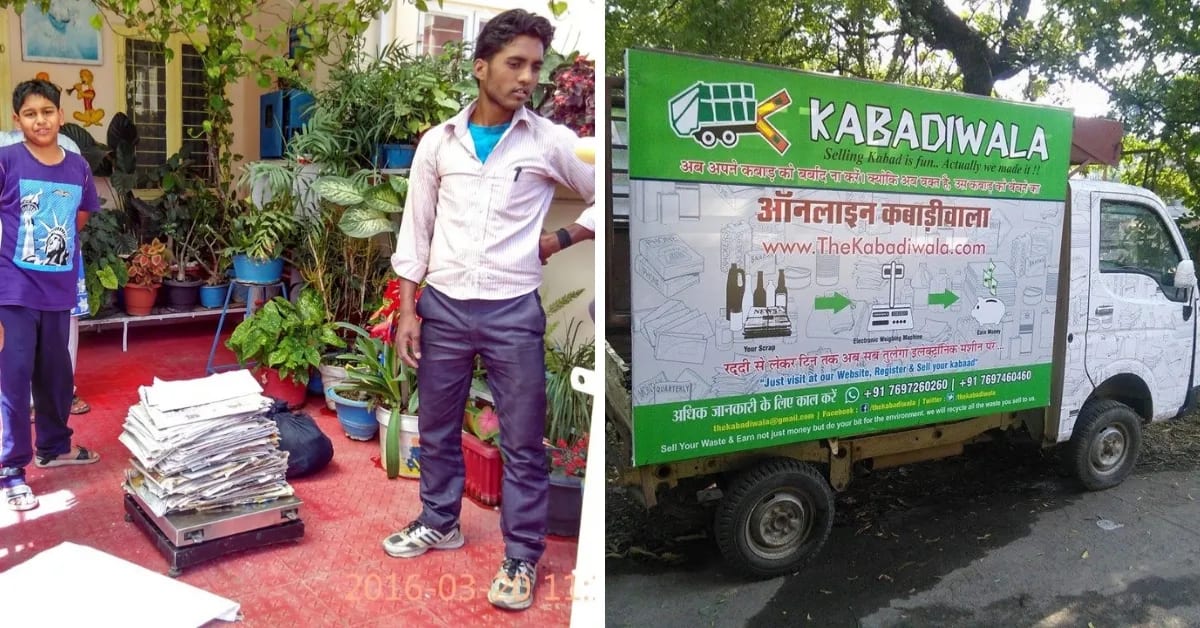
For generations, Indian households kept a corner for things too useful to throw away—newspapers, bottles, boxes—waiting for the kabadiwala's familiar call.
Now cities like Kochi and Mangaluru are bringing that tradition back to life with a modern upgrade. Swap shops, repair cafes, and digital scrap collection services are helping residents reuse and recycle at a scale these cities desperately need.
The wake-up call came hard in Kochi. In March 2023, flames ripped through the Brahmapuram landfill, sending toxic smoke across the city for days and exposing what environmentalists had warned about for years: urban waste systems were collapsing.
After the fire, Kochi couldn't ignore the problem anymore. Municipalities and neighborhoods started experimenting with solutions that felt both innovative and familiar.
Under the Kundannoor flyover in Maradu, the local government opened a Swap Shop where residents drop off clothes, books, toys, and electronics for others to take home free. A child's outgrown school bag finds a new owner instead of a landfill.
Mangaluru took a different approach during the 2025 Ganeshotsava festival. Organizers replaced thousands of disposable plates with steel tumblers and reusable cutlery from community banks, proving that large celebrations don't have to mean mountains of trash.
Repair fairs are popping up across both cities, where residents bring broken bags, appliances, and electronics to be fixed instead of tossed. It's a simple idea that challenges the disposable culture creeping into Indian cities.
The Ripple Effect
These efforts aren't replacing India's traditional recycling economy—they're finally recognizing it. For decades, kabadiwalas, ragpickers, and scrap dealers have quietly sustained one of the world's largest informal recycling networks, recovering materials far more efficiently than many formal systems.
Long before corporations started talking about sustainability, these workers were building circular economies street by street. The neighborhood cobbler, the tailor altering old clothes, the utensil repairman—they were always low-waste systems hiding in plain sight.
Now startups are digitizing that tradition. Online platforms connect residents with scrap collectors through apps, making scheduled pickups as easy as ordering food delivery while supporting the workers who've always done this work.
The timing matters. Urban sustainability estimates suggest India's cities could generate over 165 million tons of waste annually by 2030 if current patterns continue.
But Kochi and Mangaluru show another path forward—one that honors India's culture of reuse while adapting it for modern urban life.
Communities are proving that the best solutions to waste aren't always new inventions but old habits brought back to life.
More Images
.png)
%2Fenglish-betterindia%2Fmedia%2Fmedia_files%2F2026%2F05%2F27%2Fkabadiwala-2026-05-27-18-20-23.png)


Based on reporting by The Better India
This story was written by BrightWire based on verified news reports.
Spread the positivity!
Share this good news with someone who needs it