Indian Firm Diverts 96% of Waste From Landfills
A women-led company in India is proving waste management can be profitable while keeping 40,000 tonnes of trash out of landfills each year. Saahas Zero Waste is showing small businesses how to turn the country's 62 million tonne waste problem into opportunity.
India throws away 62 million tonnes of waste every year, and 80% of it gets dumped or burned instead of recycled. But one company in Bengaluru is flipping that script, diverting 96% of the waste it touches away from landfills while creating hundreds of jobs for women.
Saahas Zero Waste has spent 12 years building a business model that finally works. The company processes 100 tonnes of solid waste daily across tech parks, campuses, and communities, turning trash into compost, biogas, and recycled materials.
Here's the surprising part: only 40% of their revenue comes from selling recovered materials. The rest comes from service fees, because most waste has no economic value on its own. That business reality is exactly what keeps investors away and the waste sector stuck.
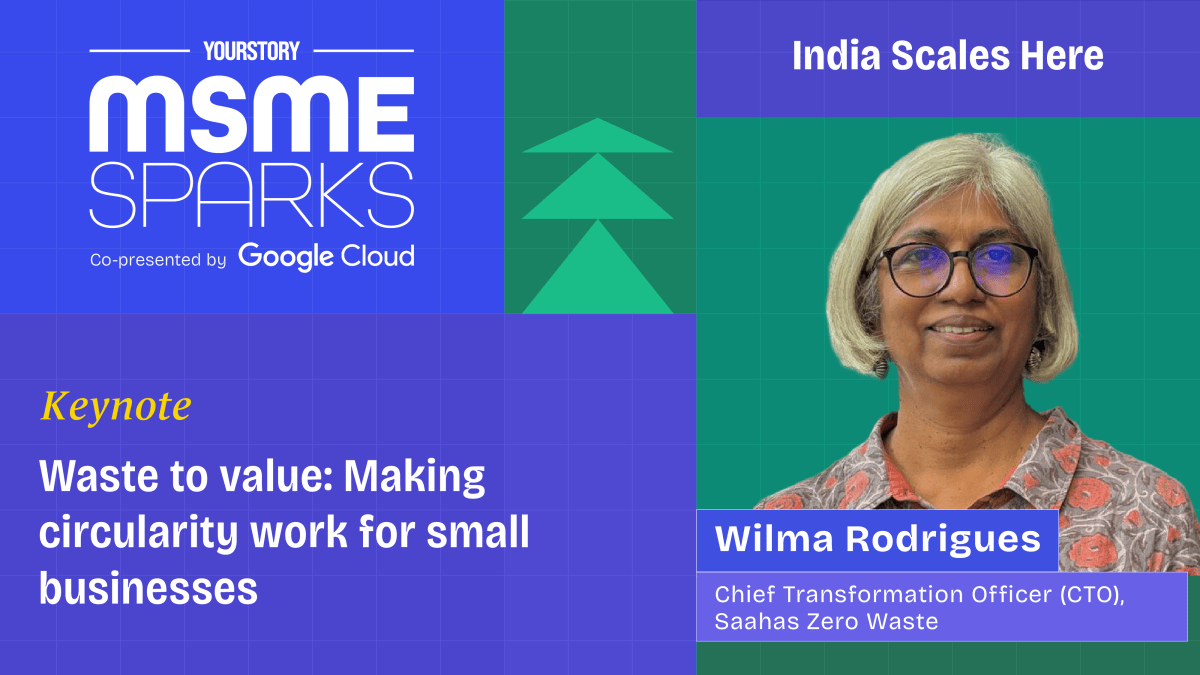
Wilma Rodrigues, the company's Chief Transformation Officer, shared these insights at MSME Sparks 2026 in Bengaluru. She's pushing back against the myth that waste management should somehow fund itself without investment or proper fees.
Saahas hit Rs 86 crore in revenue in 2024 before dipping to Rs 60 crore when waste regulations changed. Rather than compromise their environmental and social standards, they absorbed the losses and kept going.
The company employs over 400 people, most of them women, paying fair wages for collection, sorting, and recycling work. Rodrigues is clear that technology alone won't solve the waste crisis without people in the system doing the essential work.
The Ripple Effect
Saahas is now eyeing growth to Rs 200 crore over five years with a patient capital approach. They've only raised Rs 8 crore so far from aligned investors who understand the long game.
The timing couldn't be better. India's new Solid Waste Management Rules 2026 are creating fresh opportunities for entrepreneurs in smaller cities to enter the sector through partnerships. Tech parks and bulk generators produce nearly 40% of Bengaluru's waste, meaning local solutions can make massive dents in the problem.
Rodrigues urged the audience of small business owners to see circularity not as corporate charity but as business necessity. With 50 million small and medium enterprises in India, the shift from linear to circular systems isn't optional anymore.
The model is spreading beyond Bengaluru to Chennai, Delhi, and other major cities. Each tonne diverted from landfills means cleaner air, healthier communities, and dignified work for people who've long been invisible in the waste chain.
India's waste problem is massive, but so is the opportunity to build businesses that profit while protecting the planet.
More Images




Based on reporting by YourStory India
This story was written by BrightWire based on verified news reports.
Spread the positivity!
Share this good news with someone who needs it