Indian Engineer's Eye Scan Detects Mental Health Conditions
A simple retinal scan can now reveal signs of mental health conditions like schizophrenia and bipolar disorder, thanks to an AI-powered kiosk bringing breakthrough diagnostics to underserved communities in India. The technology offers hope for millions who lack access to psychiatric care.
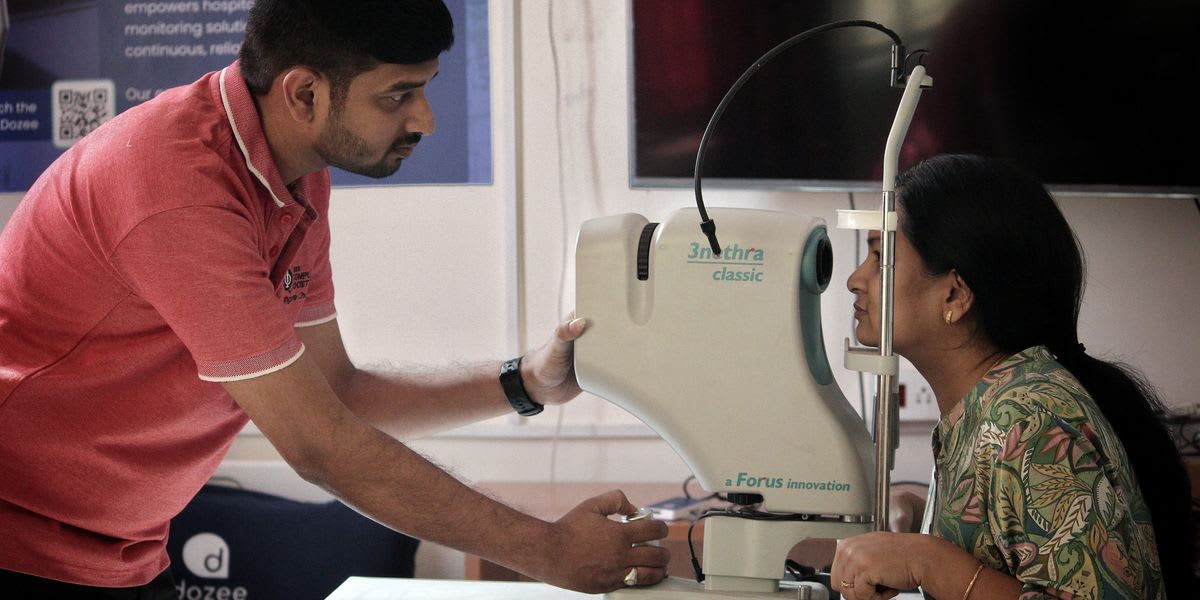
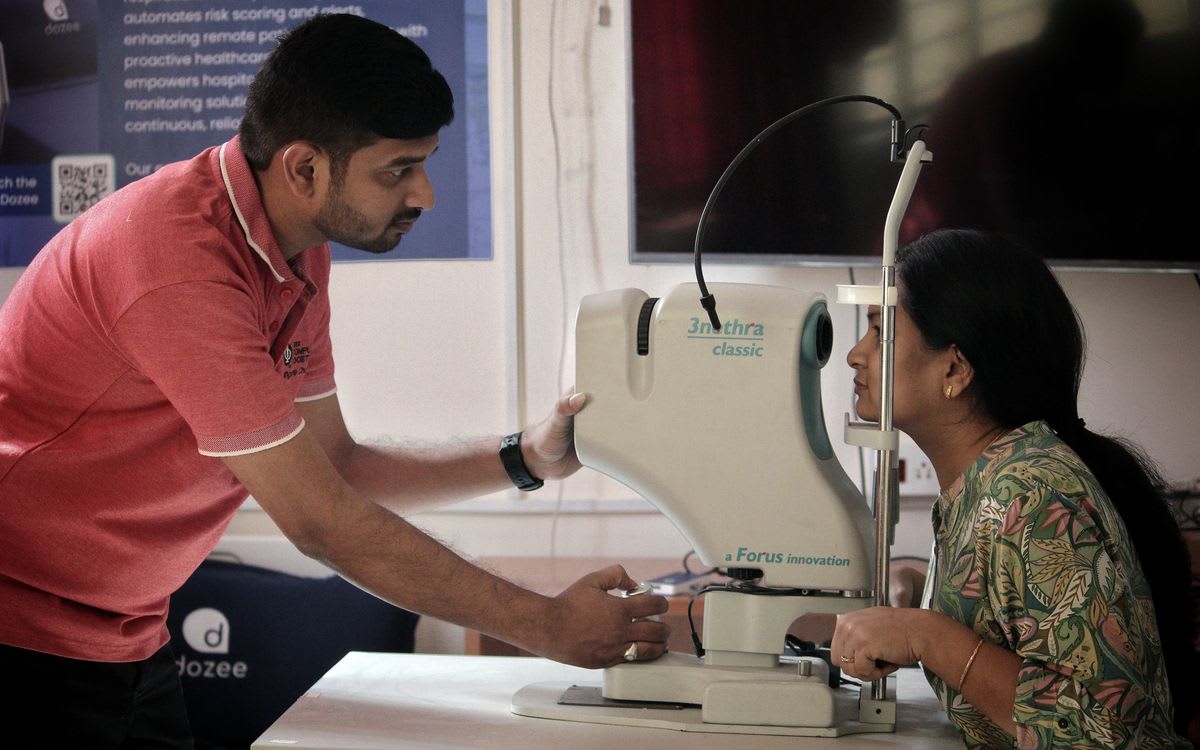
Imagine if a quick eye scan could detect mental health conditions before symptoms become severe. That's exactly what Indian engineer Abhishek Appaji has made possible with his Smart Eye Kiosk, now serving remote communities across India.
The IEEE senior member developed an AI-powered device that examines the tiny blood vessels in the retina to spot physiological signs of psychiatric conditions. The kiosk analyzes patterns in these vessels, including their thickness, curvature, and branching angles, which mirror changes happening in the brain.
"With conditions like schizophrenia and bipolar disorder, microvascular changes mirror neurovascular changes in the brain," explains Appaji, an associate professor at B.M.S. College of Engineering in Bengaluru. The retina provides a noninvasive window into neural health, revealing biomarkers that might otherwise require complex brain imaging.
The journey began during Appaji's doctorate at Maastricht University, where he researched computational methods to identify retinal vascular patterns. He partnered with an ophthalmologist, psychiatrist, and engineering colleagues to transform his research into a practical screening tool.
Beyond mental health monitoring, the kiosk screens for eye diseases like diabetic retinopathy and tracks stress levels. It's particularly valuable in rural India, where access to specialized psychiatric care remains limited.
Since mental illnesses often have genetic components, the technology can also screen relatives of patients with schizophrenia and bipolar disorder. This early detection capability could transform how families approach mental health care, catching warning signs before conditions fully develop.
The Ripple Effect
Appaji's work extends beyond his inventions. As an active IEEE Young Professionals volunteer, he's launched networking events, technology workshops, and mentorship programs to empower the next generation of engineers.
His commitment earned him this year's IEEE Theodore W. Hissey Outstanding Young Professional Award, recognizing his contributions to accessible AI-driven healthcare solutions. The award validates his belief that engineering success isn't measured solely by publications but by tangible impact on lives.
The Smart Eye Kiosk represents a shift toward preventive mental healthcare in underresourced areas. By making sophisticated diagnostics as simple as an eye exam, Appaji is helping doctors catch conditions earlier when treatment can be most effective.
His broader portfolio includes other inventions for remote communities, like a smart bed that continuously monitors vital signs. Each tool addresses a real gap in healthcare access, bringing quality diagnostics to populations that need them most.
"Our success as engineers is not solely measured by research outcomes but by the tangible impact we have on lives through accessible technology," Appaji says. That philosophy is changing lives across India, one retinal scan at a time.
More Images
Based on reporting by IEEE Spectrum
This story was written by BrightWire based on verified news reports.
Spread the positivity!
Share this good news with someone who needs it