Indian Farmers Turn Roadside Vendors Into Exporters
More than 400 struggling fruit vendors in Northeast India joined forces and transformed their lives, boosting their collective income from $1,800 to $140,000 in just four years. Now they export to Dubai and supply major retailers, all while growing their crops the traditional organic way.
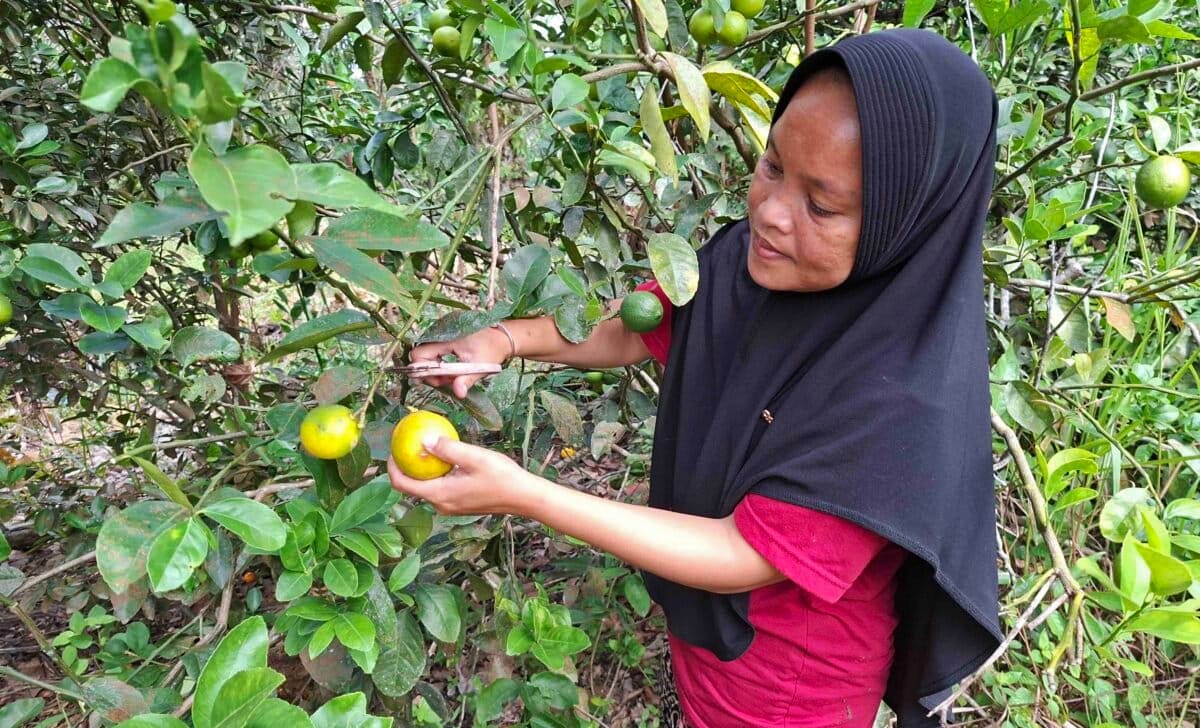
Prestina Sangkly used to sit by the roadside hoping someone would buy her oranges. Today, she's exporter number SBORG17MLRBJ06035, shipping fruit to Dubai and earning more in a year than she once made in five.
She's one of 433 farmers in Meghalaya, India, who discovered the power of working together. In 2017, they formed the Jirang Organic Agro Farmers Producer Company, pooling their organic pineapples, oranges, and bananas. What happened next surprised everyone.
Before the collective, a farmer might get 50 cents for 80 Khasi Mandarin oranges. Now they earn up to $1.20 for the same amount. Pineapples that sold for 10 cents each now fetch 30 cents. The math adds up quickly when you're growing fruit on 500 acres of land.
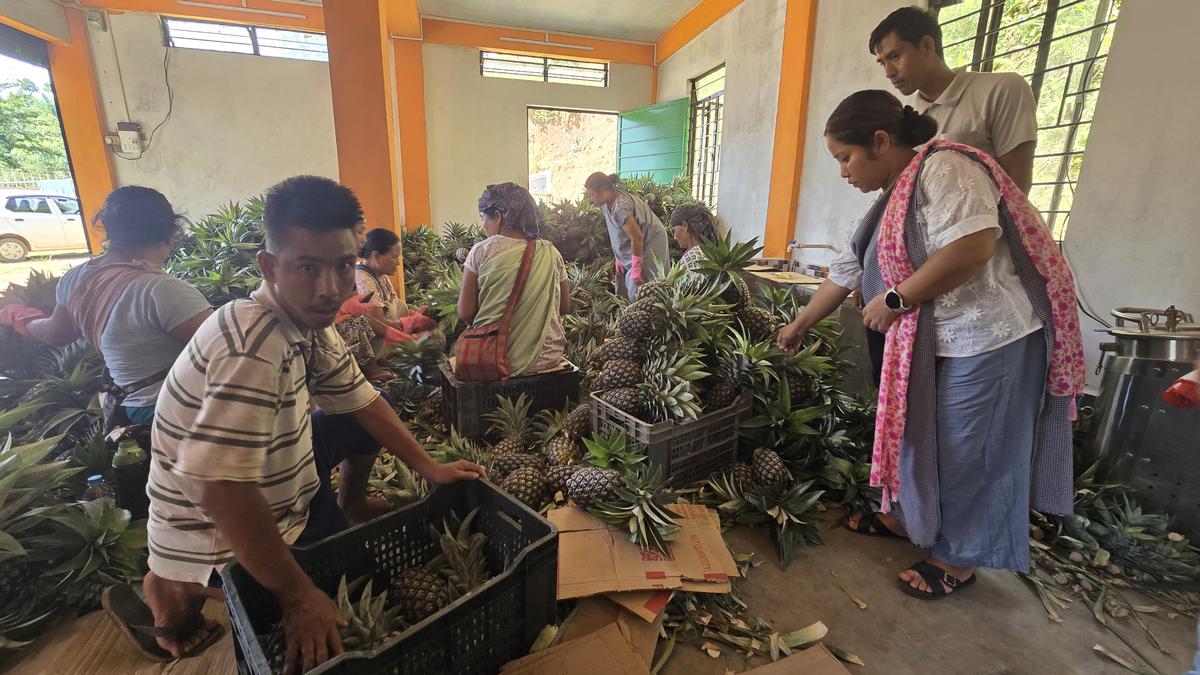
The real change came from cutting out the struggle. Farmers no longer haul their harvest uphill to distant markets, hoping for buyers. Instead, air-conditioned trucks from Reliance Retail, Blinkit, and other major brands roll up to their collection center in the village of New Jirang, about 32 miles from Guwahati.
Each farmer now earns between $600 and $950 annually from fruit alone, up from almost nothing. They each got a unique farmer code tied to organic certification, turning nameless vendors into traceable exporters.
The Ripple Effect
The success rippled beyond the farmer-members. The collective hired 20 local workers to clean, sort, and pack fruit, paying them $4 to $5 per day.
Then in September 2024, they opened a game changer: a $29,000 fruit processing plant. The facility can handle 10 tons of fresh fruit daily, turning imperfect oranges and pineapples into pulp that lasts 18 months. No more watching crooked fruit rot because buyers want only perfect shapes.
Women lead 75% of the farmer memberships, reflecting Meghalaya's matrilineal culture where women control agriculture and land. This isn't just farming. It's rural empowerment with a price tag.
The model works so well that Meghalaya's state government launched a $35 million organic farming mission in 2024, aiming to certify 250,000 acres and help 90,000 more farmers by 2028. Villages across the state are now copying the Jirang approach.
Chairman Persevere Ranee says the secret is simple: farmers learning market basics and taking control of their own supply chain. They even make their own fertilizer now, keeping more money in their pockets.
From roadside to export market in less than a decade, these farmers proved that the smallest fruits can grow the biggest dreams when people work together.
Based on reporting by The Hindu
This story was written by BrightWire based on verified news reports.
Spread the positivity!
Share this good news with someone who needs it