Indonesian Women Farmers Protect Elephants With Citrus
A group of women farmers in Sumatra discovered that planting citrus trees keeps endangered elephants safe while protecting their crops. Their simple solution is helping save one of the world's last populations of critically endangered Sumatran elephants.
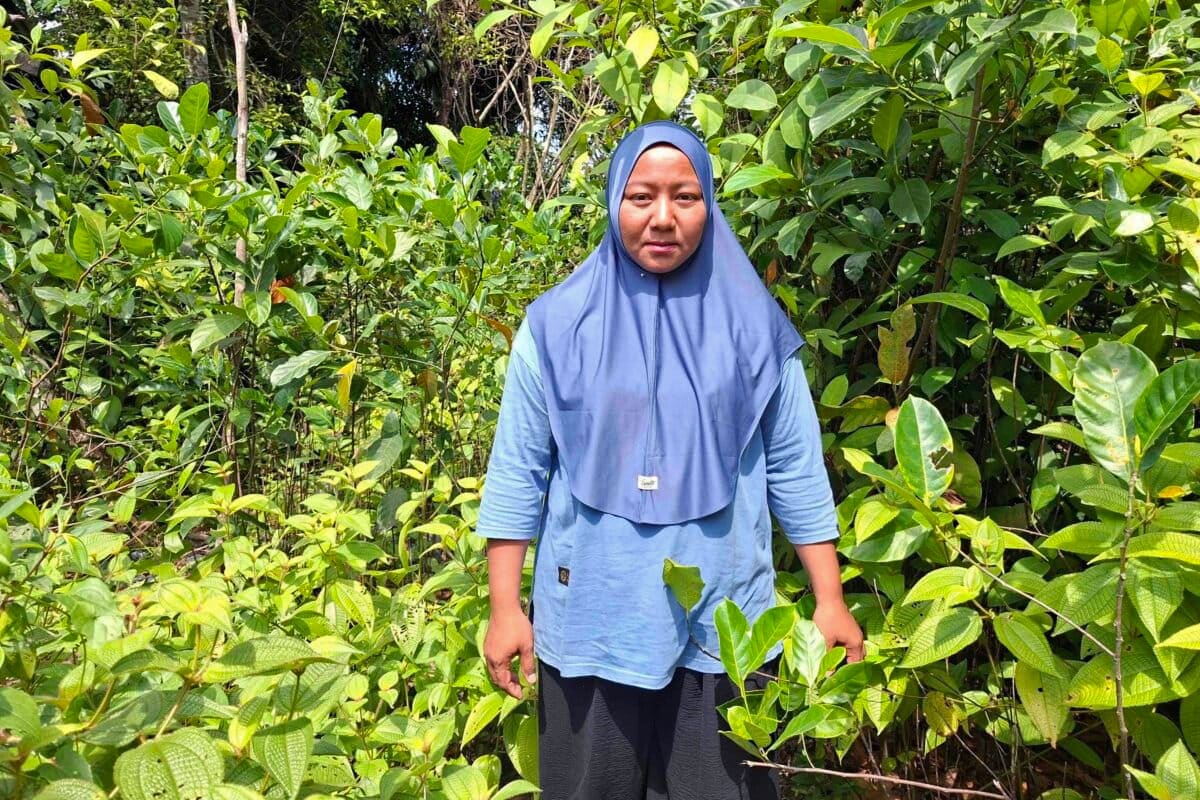
Ernita used to replant her oil palm trees four or five times a year because hungry elephants kept destroying them. Now, thanks to a 600-tree citrus fence around her farm, the elephants stay away and her crops are thriving.
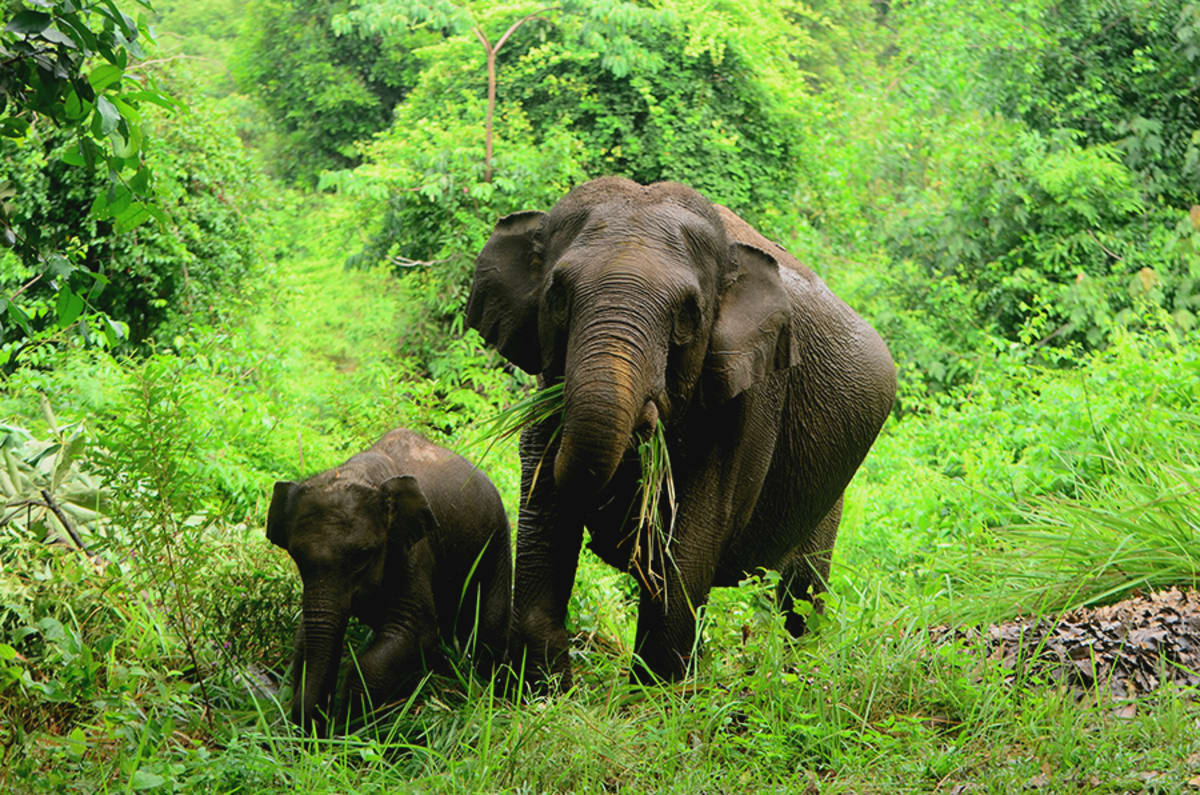
The 33-year-old farmer lives in Lubuk Kembang Bunga village, next to Tesso Nilo National Park in Sumatra, Indonesia. The park is home to 150 critically endangered Sumatran elephants, down from 200 just 20 years ago.
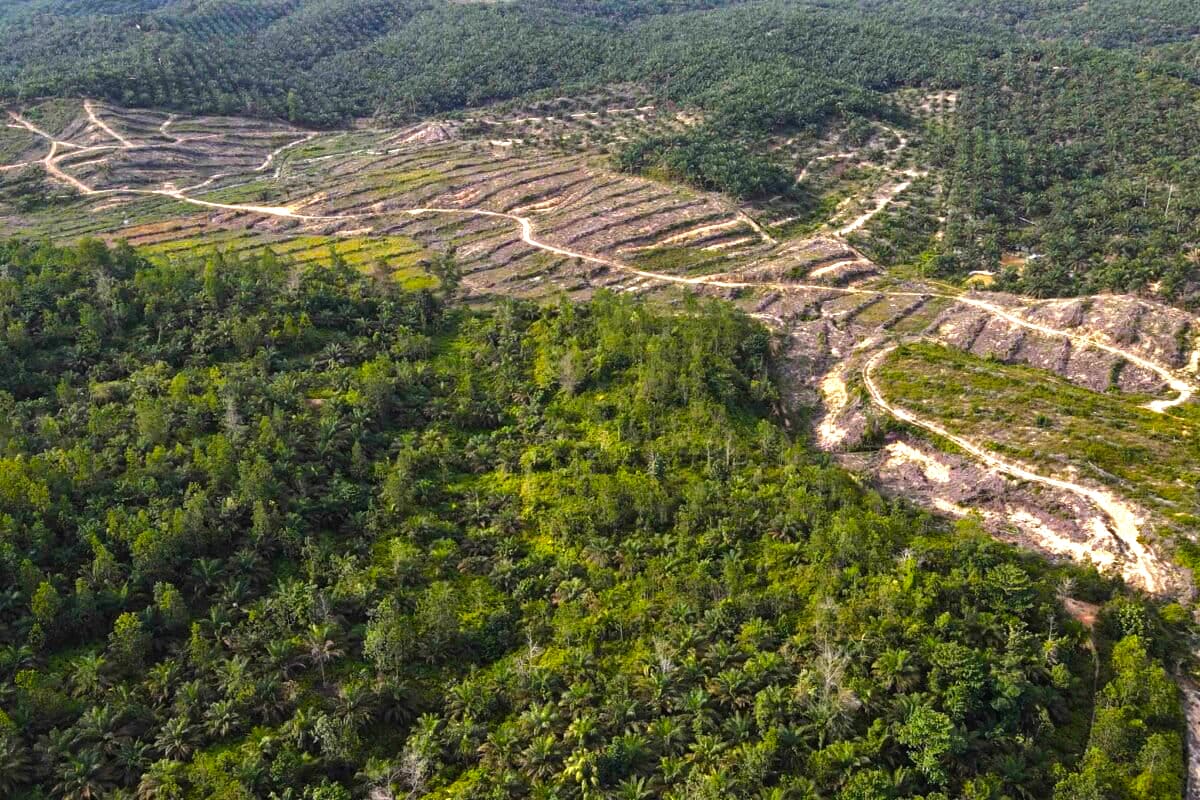
As the elephants lose their forest habitat to deforestation, they wander into nearby farms looking for food. Some farmers have resorted to poison or electric fences to protect their crops, killing scores of animals in the process.
But Ernita and more than 30 other women found a better way. They joined the Batang Nilo Women's Forest Farmer Group, known as Perbani, which partnered with conservationists to test a wildlife-friendly solution.
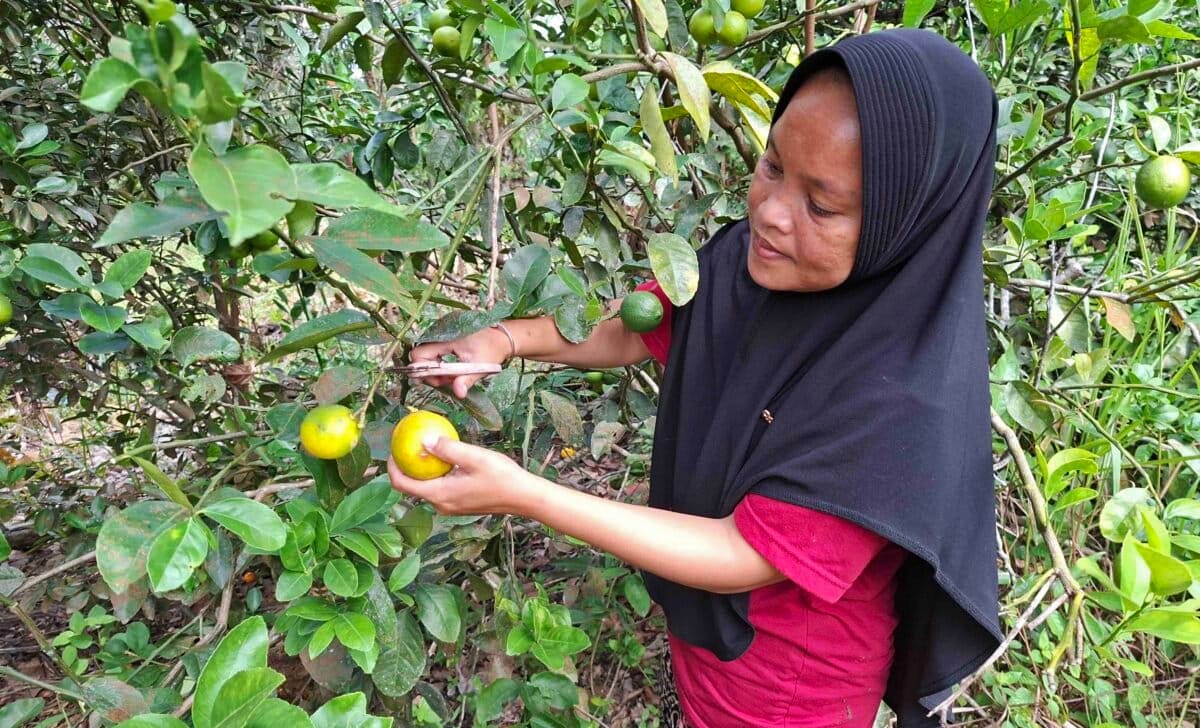
The women plant citrus trees like orange, lemon, and lime around their farms. Elephants dislike the tangy smell and avoid the thorny branches, creating a natural barrier that keeps both crops and animals safe.
Inside this protective ring, the farmers grow their crops. But they also plant elephant-friendly fruits like jackfruit and stink beans in separate areas, giving the animals food sources that draw them away from farmland.
The citrus trees do double duty. Not only do they protect farms, but the fruits also provide extra income for families who can sell them at local markets or use them at home.
The Ripple Effect
Perbani is doing more than just saving elephants. The group holds monthly classes on gender equality, teaching members leadership and public speaking skills that help them become stronger voices in their community.
The women also run a savings and loans program, giving members financial independence. In 2024, Indonesia's forestry ministry recognized their work with the Wanawiyata Widyakarya award, given to community groups that successfully combine conservation with economic development.
Their approach shows how simple, nature-based solutions can resolve conflicts between people and wildlife. Instead of choosing between protecting endangered animals or supporting farming families, the women of Perbani found a way to do both.
What started as a small experiment with citrus trees has grown into a model that empowers women, protects wildlife, and proves that conservation works best when local communities lead the way.
More Images

Based on reporting by Mongabay
This story was written by BrightWire based on verified news reports.
Spread the positivity!
Share this good news with someone who needs it