Whale Mom Tenderly Cared for Stillborn Calf Off Australia
A humpback whale mother was observed touching and staying with her stillborn calf for hours off Queensland's coast, offering scientists a rare glimpse into how these intelligent creatures respond to death. The footage marks the first documented stillbirth in humpback whales.
Off the Gold Coast of Australia, a humpback whale mother gave birth to a calf that would never take its first breath. What happened next gave researchers an unprecedented window into the emotional lives of these ocean giants.
On July 17, 2025, rescue boat captain Andrew Mulville responded to reports of two humpback whales lingering in shallow water near Palm Beach Reef. After watching for 30 minutes, he noticed one whale position itself vertically with its tail skyward, then spotted an amniotic membrane floating on the surface.
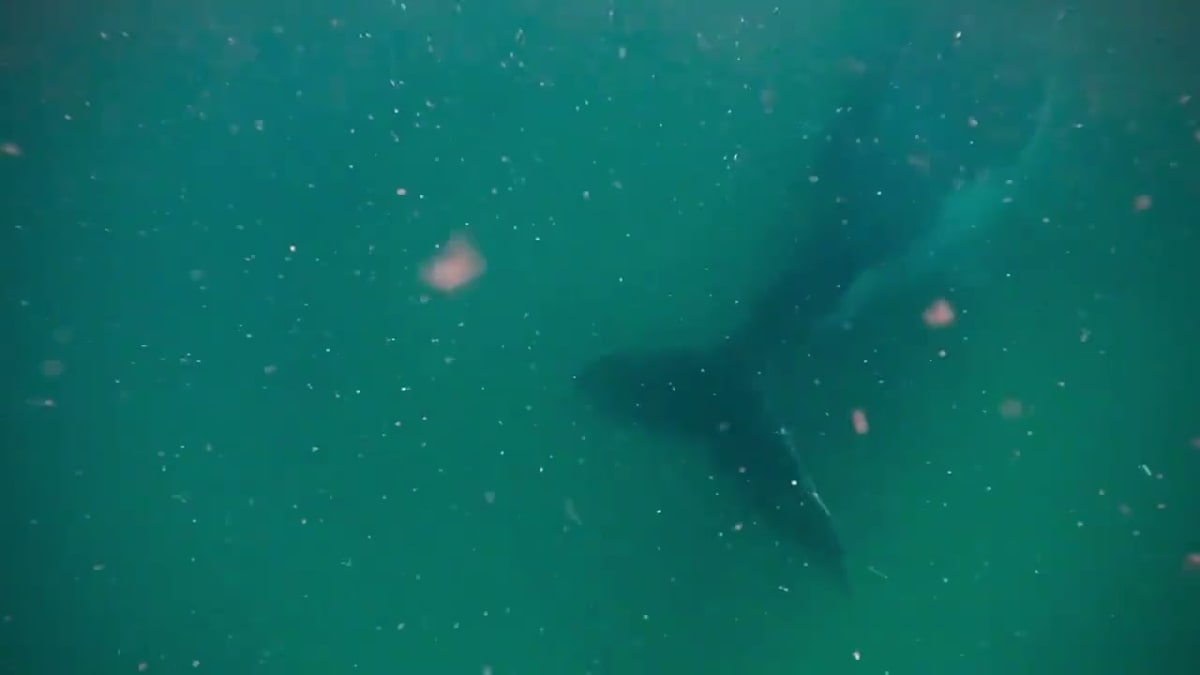
Mulville grabbed his GoPro and dove in. The underwater footage revealed something scientists had never documented before: a humpback stillbirth, with the tiny calf's body resting on the seafloor below.
For over 90 minutes, the mother repeatedly swam down to her calf. She touched it gently with her head and pectoral fin, positioned herself to look into its eyes, and rested beside the small body on the ocean floor.
The behavior stands in stark contrast to typical humpback births, where mothers immediately push their newborns to the surface to breathe. Another adult whale stayed nearby throughout, likely serving as an escort during the birth.
Scientists have only documented about 20 humpback births total, making this observation extraordinarily rare. Stillborn calves sink quickly because they lack the buoyancy to stay afloat, which is why researchers believe these tragic events happen unseen beneath the waves.
Why This Inspires
Whether the mother was grieving in a way humans understand remains unknown. Marine ecologist Olaf Meynecke suspects humpbacks experience "an emotional state that is not necessarily comparable to ours, but there is something there that is quite strong."
The observation aligns with what scientists already know about humpback social bonds. These whales protect other species from predators, assist distressed peers, and travel alongside pregnant females and newborns during migration.
For Mulville, who has spent 25 years rescuing whales, the moment was both powerful and emotional. The sounds of the mother and her companion underwater, combined with her gentle attention to her calf, revealed the depth of connection these creatures share.
The footage offers science something invaluable: a rare look at how these highly social animals respond to death, one of the least understood aspects of their complex behavior. Even if we can't measure their emotions the way we do our own, we can learn from watching, observing, and respecting what they show us.
More Images
%2Fhttps%3A%2F%2Ftf-cmsv2-smithsonianmag-media.s3.amazonaws.com%2Faccounts%2Fheadshot%2FSarahKuta.png)
Based on reporting by Smithsonian
This story was written by BrightWire based on verified news reports.
Spread the positivity!
Share this good news with someone who needs it