Indian Researchers Boost Solar Hydrogen Output 87% With Bubbles
Scientists in India discovered that injecting tiny air bubbles into solar panels cooled with water dramatically boosts both electricity generation and hydrogen production. The simple addition nearly doubled hydrogen output compared to standard panels.
A team of Indian researchers just cracked a surprisingly simple way to make solar panels produce nearly twice as much clean hydrogen fuel.
By injecting tiny air bubbles into the water cooling system of solar panels, scientists at K.S. Rangasamy College of Technology boosted hydrogen production from 8.3 to 15.5 milliliters per minute. That's an 87% increase from one elegant tweak.
The breakthrough addresses two problems at once. Solar panels lose efficiency when they overheat, and producing hydrogen requires lots of energy. The bubble-enhanced system keeps panels cooler while generating more power for hydrogen production.
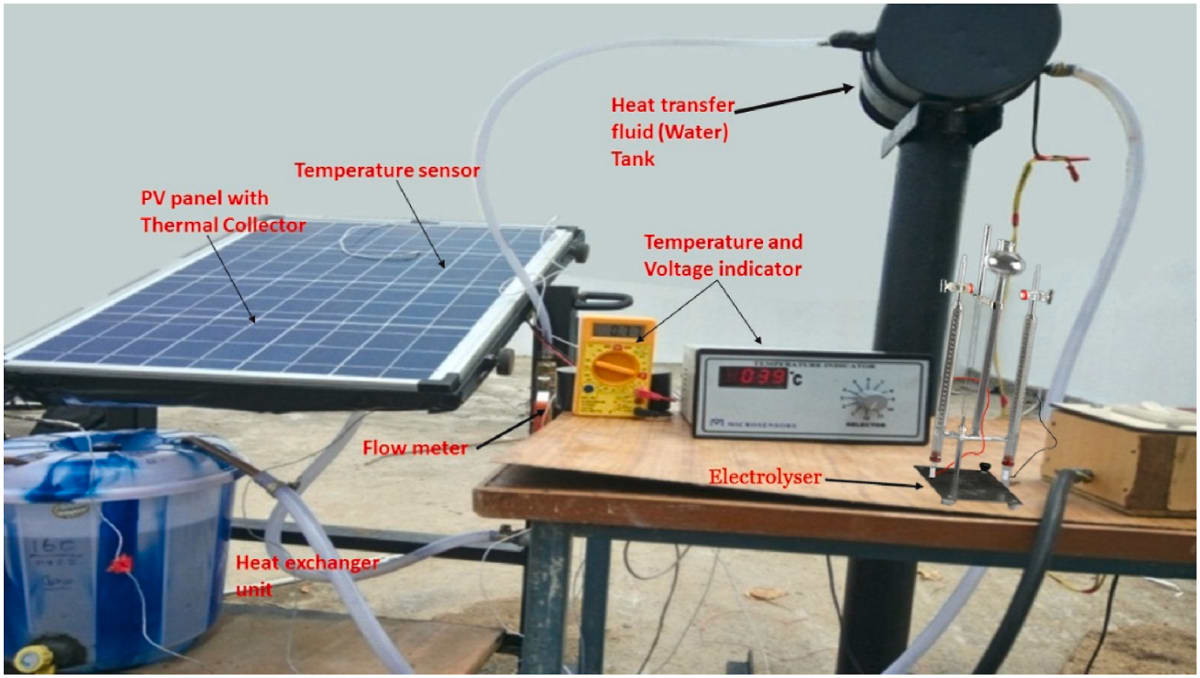
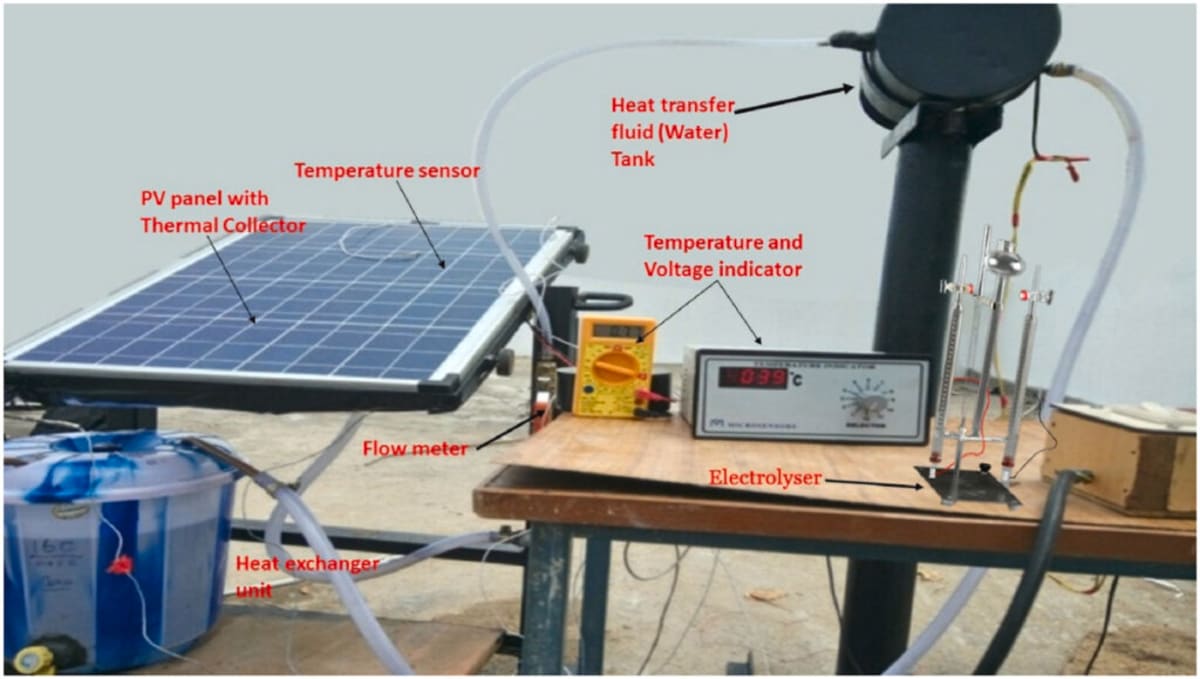
The team tested their system on a rooftop in Tiruchengode, Tamil Nadu, over seven summer days. They compared regular solar panels against versions cooled with air, water, and water with air bubbles at different flow rates.
The bubbles worked like tiny temperature regulators, improving how heat moved away from the panels. At the optimal bubble flow rate, the system reached 11.1% electrical efficiency compared to just 8.1% for conventional panels. Thermal efficiency jumped even higher, hitting 45.5% versus 30% for air-cooled systems.
The hydrogen production numbers tell the real story. The bubble-injected system's electrolyzer efficiency reached 15.5%, nearly double the 8.3% of standard setups. That means more clean fuel from the same amount of sunlight hitting the same sized panel.
Why This Inspires
This research matters because hydrogen could power everything from cars to factories without carbon emissions, but making it cleanly remains expensive and inefficient. Air bubbles cost almost nothing and require no exotic materials or complex engineering.
The team used standard equipment: a basic 20-watt polycrystalline solar panel, a spiral collector, a simple water tank, and platinum electrodes. The most advanced component was the bubble injection system controlling air flow rates.
Developed and emerging nations alike struggle with energy costs and pollution. A cooling method this simple and effective could make clean hydrogen production accessible to communities that can't afford cutting-edge technology.
The researchers acknowledge more work lies ahead. They need to find optimal bubble rates for different climates and system sizes. They're also developing smart algorithms to automatically adjust bubble flow based on weather conditions and energy demand.
But the core discovery stands: sometimes the most powerful innovations come from thinking differently about simple things, like adding air to water to catch more energy from the sun.
More Images


Based on reporting by PV Magazine
This story was written by BrightWire based on verified news reports.
Spread the positivity!
Share this good news with someone who needs it