Indian Scientists Find 14 New Gut Bacteria Species
Scientists in India discovered 14 unknown bacterial species in tribal communities, revealing how diet and geography shape our gut health. The findings challenge Western microbiome standards and could transform probiotic development.
Your gut health might look completely different from someone else's, and new research shows that's perfectly normal.
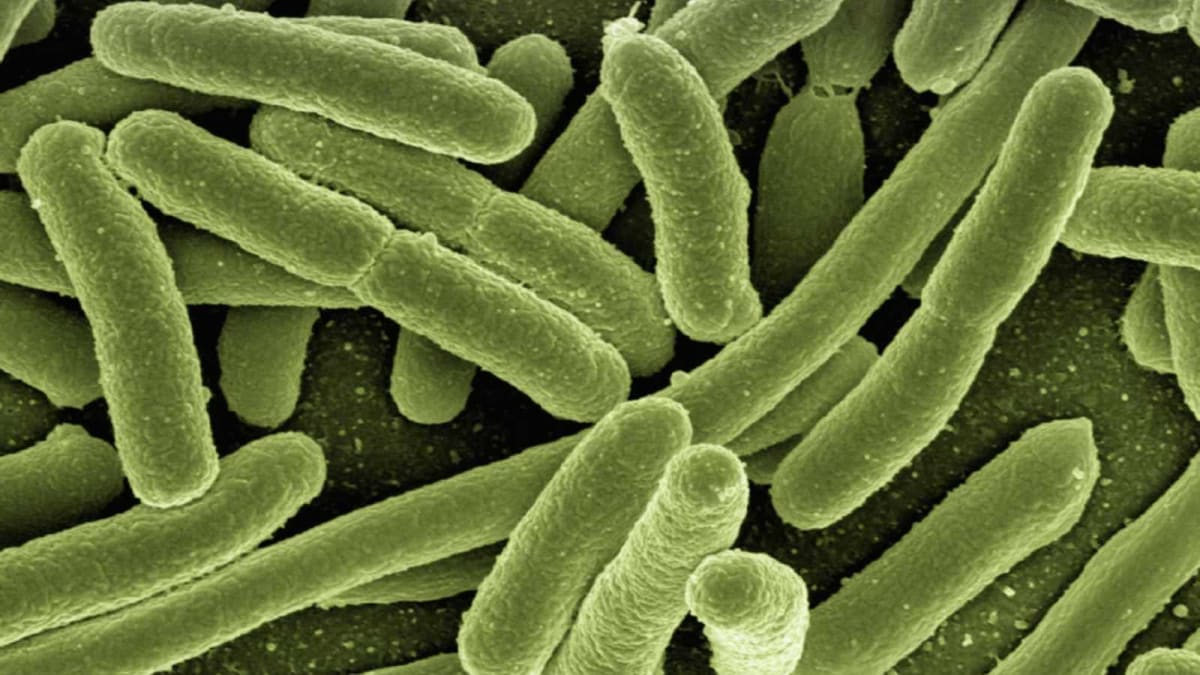
Scientists at the National Centre for Cell Science in Pune just discovered 14 completely new bacterial species and nearly 200 unknown microbial strains while studying India's tribal communities. The findings reveal a vast frontier of unexplored microbial diversity right in our own bodies.
The research team studied eight tribal groups across India, from the western coast to the Trans-Himalayan region. Despite living hundreds of miles apart with different diets and lifestyles, these communities had been left out of most global microbiome research, which focuses heavily on Western populations.
What they found challenges everything we thought we knew about "healthy" gut bacteria. While all eight communities shared three core bacterial groups, the Indian strains belonged to completely different genetic lineages than those in European and American databases.
Dr. Dhiraj Dhotre, who co-led the study, put it simply: an Indian gut microbiome shouldn't be labeled abnormal just because it differs from Western reference populations. Each community needs its own baseline for what healthy looks like.
Diet left the clearest signature. Trans-Himalayan communities who consumed milk, homemade butter, wheat and barley showed dramatically higher bacterial diversity. Their gut microbes carried specialized genes for digesting lactose and grain-based carbohydrates, suggesting generations of adaptation to local foods.
Even common probiotic bacteria like Bifidobacterium adolescentis had genetically distinct Indian versions equipped with different digestive enzymes. This discovery raises important questions about whether probiotics developed for Western populations work the same way in Indian bodies.
The Ripple Effect
The implications extend far beyond India's borders. If one relatively small study can uncover 14 new species and 200 new strains, imagine what remains undiscovered in communities worldwide that have been excluded from microbiome research.
Building population-specific microbiome databases could revolutionize personalized medicine, nutrition science and disease prevention. Instead of forcing diverse populations to fit Western health standards, doctors could develop treatments and dietary recommendations tailored to how different communities actually live and eat.
The research also opens doors for developing probiotics and nutritional interventions designed specifically for Indian populations rather than importing Western formulations that may not match local gut ecosystems.
Dr. Yogesh Shouche, senior author of the study, sees India's unmapped microbial diversity as a vast biological resource waiting to be understood. These invisible communities living inside us adapt and evolve alongside the foods we eat and the places we call home.
This discovery reminds us that the future of medicine lies not in one-size-fits-all solutions, but in understanding and celebrating our beautiful biological diversity.
Based on reporting by Google News - Scientists Discover
This story was written by BrightWire based on verified news reports.
Spread the positivity!
Share this good news with someone who needs it