Indian Temple to Review Access for Invisible Illness Patients
A high court has given one of India's most visited temples four months to decide on special access for patients with autoimmune and rare diseases. The petition highlights how "invisible suffering" often gets overlooked at crowded holy sites.
For people battling lupus, rare blood disorders, or severe inflammatory diseases, a pilgrimage to a sacred temple can feel impossible even when their illness doesn't show on the outside.
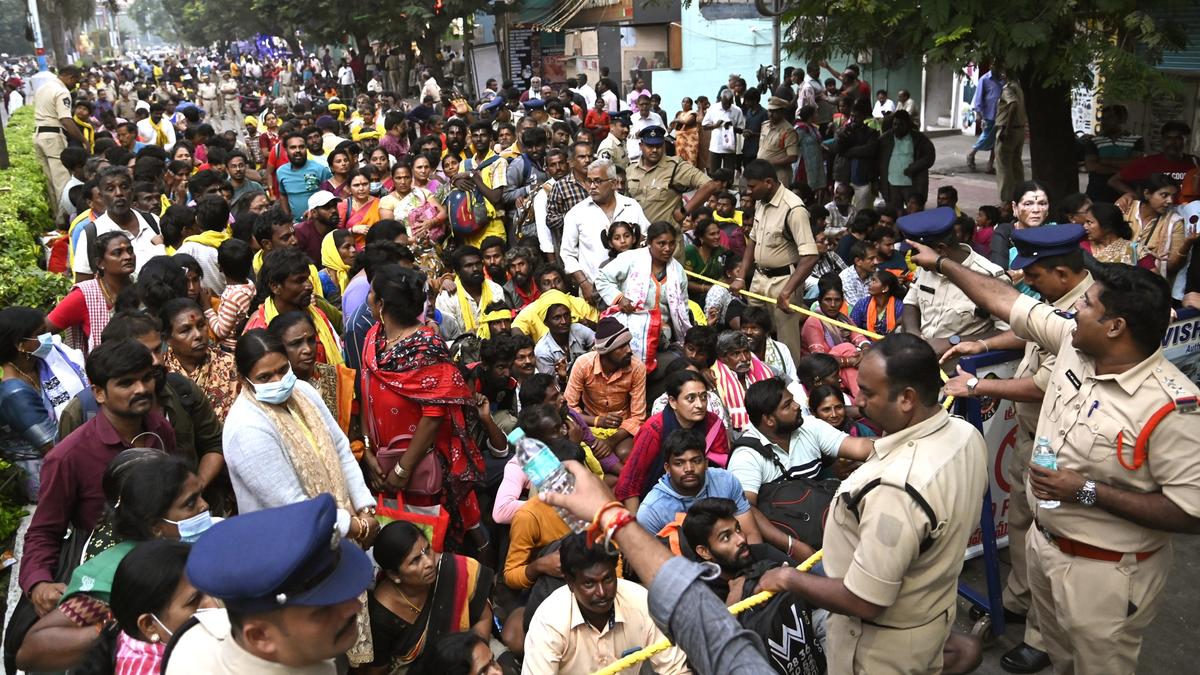
The Andhra Pradesh High Court just gave hope to thousands of these patients. Justice Ninala Jayasurya directed the Tirumala Tirupati Devasthanams, which manages one of India's most visited Hindu temples, to decide within four months whether to include autoimmune and rare disease patients in its special darshan quota.
Right now, the temple allows cancer patients and those who've had organ transplants or open heart surgery to visit through a faster access system called Supadham. But patients with conditions like lupus and inflammatory bowel disease must navigate the same massive crowds and long waits as everyone else.
Advocate S.K. Srikrishna Yesaswi filed the petition after submitting a representation in December. He pointed out something many medical systems miss: just because someone looks healthy doesn't mean they are.
For these patients, standing for hours in crowds can trigger exhaustion, severe pain, dangerous inflammation, or immune system complications. Their conditions often fluctuate unpredictably, making what seems like an ordinary trip a medical risk.
Why This Inspires
This case shines a light on a gap that exists far beyond temple visits. Most accessibility systems were designed around visible disabilities or acute emergencies, leaving people with invisible illnesses stuck in the middle.
The petition didn't demand immediate policy changes. Instead, it asked for something simple but powerful: fair consideration of patients who deserve spiritual access without risking their health.
Counsel Kota Krishna Deepthi emphasized that for many devotees, these spiritual visits hold deep emotional and cultural importance even when illness has reshaped what their bodies can handle. Having one companion accompany each patient would make these sacred journeys possible again.
The Tirumala temple sees lakhs of pilgrims daily, making it one of the world's busiest religious sites. A positive decision here could set a compassionate precedent for how places of worship worldwide think about invisible disabilities.
Recognizing invisible suffering is a quiet revolution that's long overdue.
Based on reporting by The Hindu
This story was written by BrightWire based on verified news reports.
Spread the positivity!
Share this good news with someone who needs it

%2Ffile%2Fattachments%2Forphans%2FMark-ParkRun-Sept20261_245392.jpg)
