Indian Village Plants 111 Trees for Every Girl Born
After losing his daughter to dehydration, Shyam Sunder Paliwal transformed a drought-stricken Rajasthan village into a green haven that celebrates girls with trees. Now every newborn daughter brings 111 saplings and a community pledge for her future.
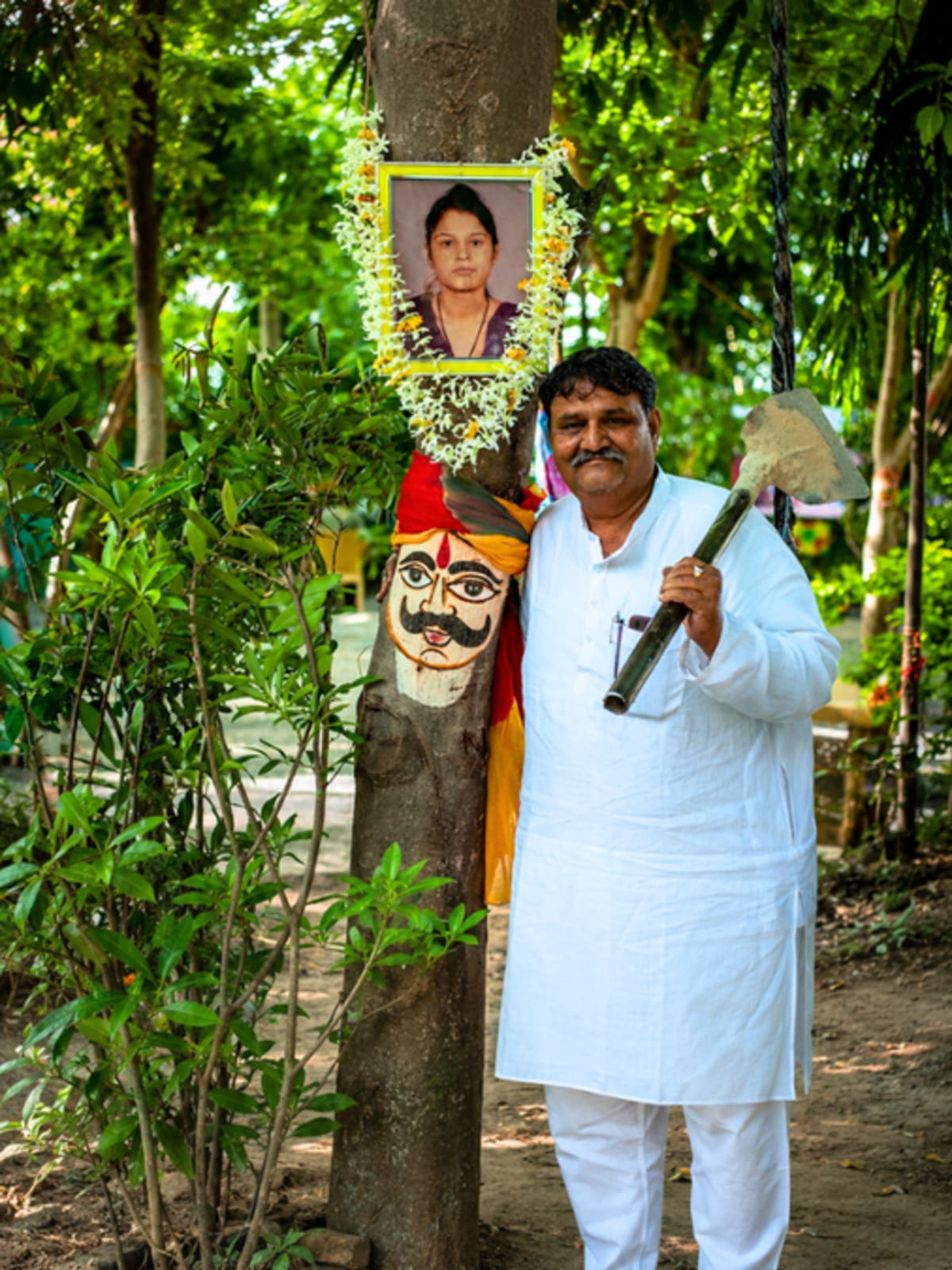
When Shyam Sunder Paliwal lost his daughter Kiran to dehydration in Rajasthan's Piplantri village, his grief sparked a movement that would transform both land and lives.
The former village leader turned tragedy into triumph with a radical idea: plant 111 trees for every girl born. In a region where drought parched the earth and daughters were often seen as burdens, Paliwal made girls synonymous with growth and renewal.
The model is simple but powerful. When a daughter is born, the entire community gathers to plant 111 saplings around the village. Families sign a pledge promising no marriage before age 18 and proper education for every girl.
The community pools Rs 31,000 (about $370) and invests it in a fixed deposit that matures when the girl turns 20. This nest egg gives her options, whether for education, business, or simply breathing room to choose her own path.
The girls tie rakhis (protective bracelets) to their trees each year, symbolically adopting the saplings as siblings. As the girls grow taller and stronger, so do their trees.
The Ripple Effect
The transformation has been remarkable. Within six years, Piplantri planted over 250,000 trees. By 2018, that number topped 350,000.
What was once barren land now flourishes with mango, banyan, peepal, and sheesham trees. The forest canopy has revived soil fertility, raised groundwater levels, and brought back ecological balance to a once-dying landscape.
The environmental wins pale beside the cultural shift. Paliwal openly acknowledges that many families once resisted having daughters, viewing them as financial drains. His initiative flipped that script entirely.
Now births of daughters bring village-wide celebration. Girls who might have faced discrimination instead grow up knowing their arrival made the earth greener and their community wealthier.
The model tackles multiple crises at once: gender bias, child marriage, education gaps, environmental degradation, and economic instability. It proves that solutions don't have to be complicated to be transformative.
Paliwal's work earned him the Padma Shri, one of India's highest civilian honors. He's often called "India's Father of Eco-Feminism" for linking women's dignity directly to environmental restoration.
Other villages across India have begun adopting the model, planting thousands more trees and changing attitudes about daughters. The movement shows how one father's love can ripple outward to reshape an entire culture's values.
Based on reporting by The Better India
This story was written by BrightWire based on verified news reports.
Spread the positivity!
Share this good news with someone who needs it