Officer Turns 78 Abandoned Buildings Into Student Libraries
In rural Rajasthan, where students once traveled hours to reach libraries, an IAS officer transformed crumbling government buildings into 78 digital learning centers. Now 5,000 students study for competitive exams in villages that previously had no educational infrastructure.
Mohini Parmar wakes before sunrise, cooks for her family, cares for her younger siblings, and then walks 500 meters to a place that didn't exist in her village three years ago. Inside a building that once sheltered cattle, the 18-year-old now prepares for teaching exams in an air-conditioned digital library with WiFi, books, and hundreds of other students chasing similar dreams.
This is the new reality across Dholpur, a remote district in eastern Rajasthan surrounded by the deep ravines of the Chambal region. IAS officer Nivrutti Avhad walked through villages in 2024 and kept noticing the same thing: abandoned government buildings filled with livestock, taken over by pests, slowly crumbling into dust.
He saw something else too. Students desperate for education but unable to afford the travel to distant cities where libraries and coaching centers existed.
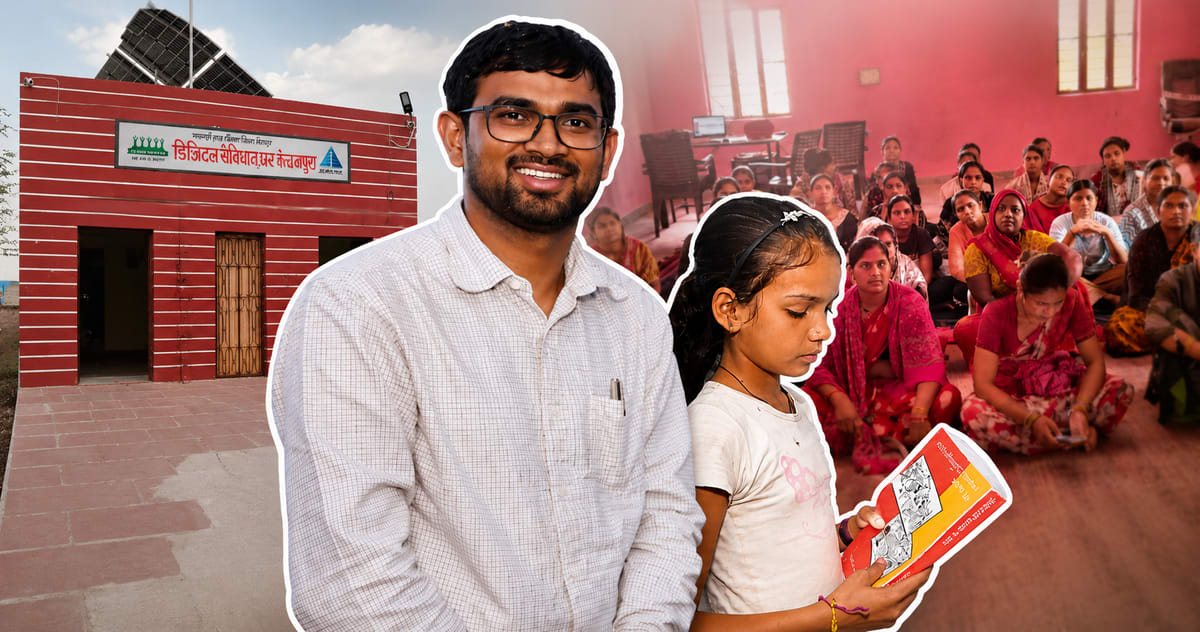
Avhad decided the empty buildings could become what the villages needed most. The Digital Samvidhan Ghar initiative was born, transforming forgotten structures into modern learning hubs equipped with computers, internet access, air conditioning, and study materials.
The first center opened in 2024. Today, 78 digital libraries span the district, reaching villages deep in the Chambal that had been cut off from educational resources for generations.
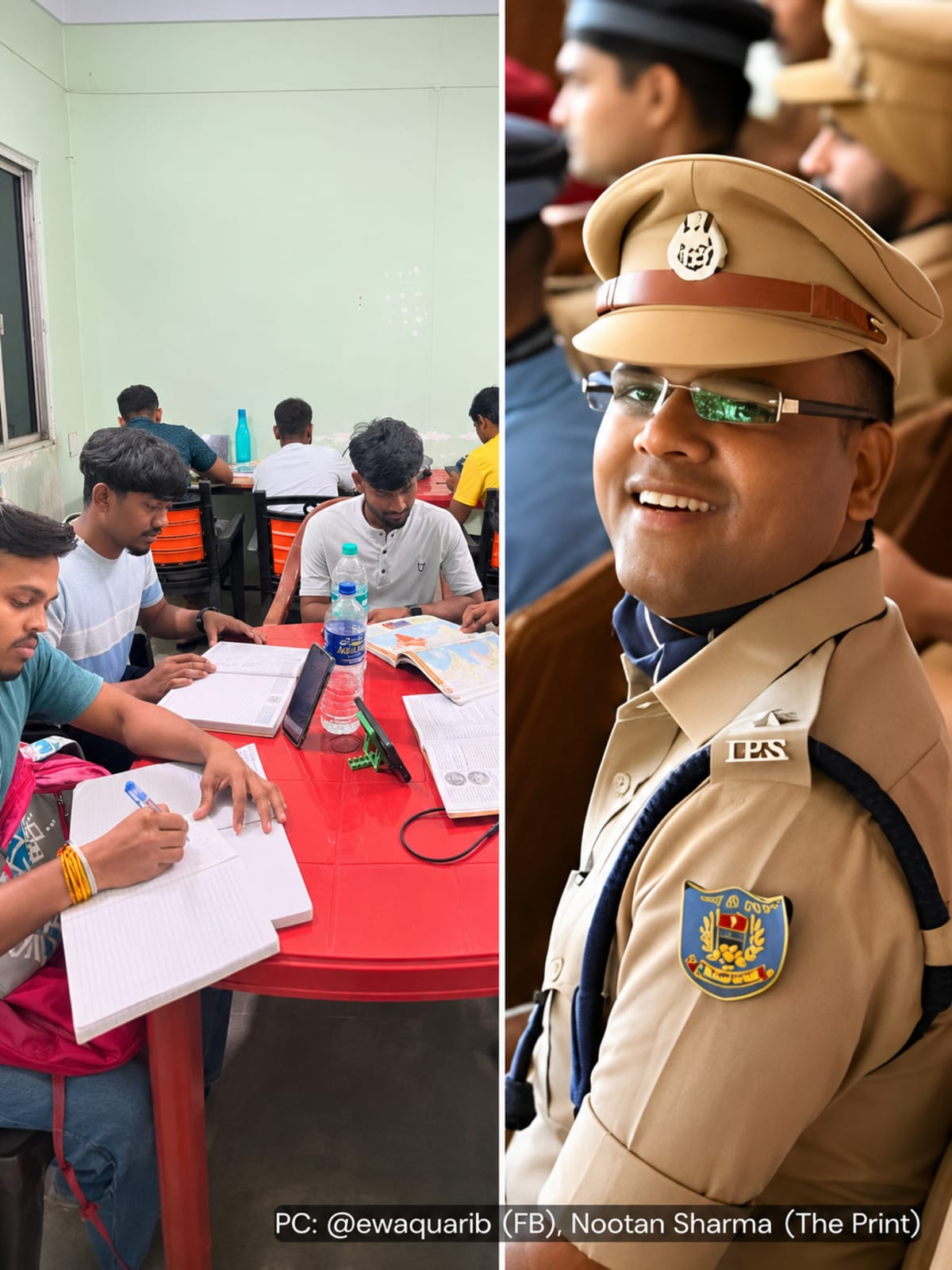
Approximately 5,000 students have registered at these centers. They prepare for exams to join the Air Force, become teachers, enter the civil service, and qualify for army positions. Many study late into the night, something impossible before when the nearest library required expensive travel.
For young women like Mohini, who lost her father during the pandemic and manages household responsibilities, these nearby centers mean the difference between abandoning education and continuing it. Married women have returned to studying. Girls whose families worried about safety now have supervised spaces close to home.
The Ripple Effect
In Gram Panchayat Pipret, sarpanch Dharmendra Singh Parmar watched three students clear army selection exams within months of their local center opening. The MBA graduate who left his corporate job in Bengaluru to serve his village says the transformation feels surreal.
"We never imagined our children would sit in AC rooms and study," he explains. "It was something we had only seen in pictures."
The centers cost significantly less than building new structures while giving purpose to buildings that were literally going to waste. The model proves that educational infrastructure doesn't always require massive construction projects, just creative thinking about existing resources.
What started as buffaloes in abandoned buildings has become a network of opportunity spread across one of Rajasthan's most underserved regions. Students who once saw cities as their only path forward are discovering that learning can happen at home.
More Images
%2Fenglish-betterindia%2Fmedia%2Fmedia_files%2F2026%2F08%2F06%2F1-2026-08-06-19-09-11.png)
%2Ffilters%3Aformat(webp)%2Fenglish-betterindia%2Fmedia%2Fmedia_files%2F2026%2F08%2F06%2F1-2026-08-06-18-01-18.png)
%2Ffilters%3Aformat(webp)%2Fenglish-betterindia%2Fmedia%2Fmedia_files%2F2026%2F08%2F06%2F2-2026-08-06-18-01-18.png)
Based on reporting by The Better India
This story was written by BrightWire based on verified news reports.
Spread the positivity!
Share this good news with someone who needs it