Indian Women Farmers Lead 2,500-Member Co-Op to Success
In a region once dominated by male farming decisions, Dipali Thodsare built a farmer cooperative from the ground up that now empowers 2,500 women. Her sustainable soybean and pulse operation in Maharashtra is transforming both agriculture and household power dynamics.
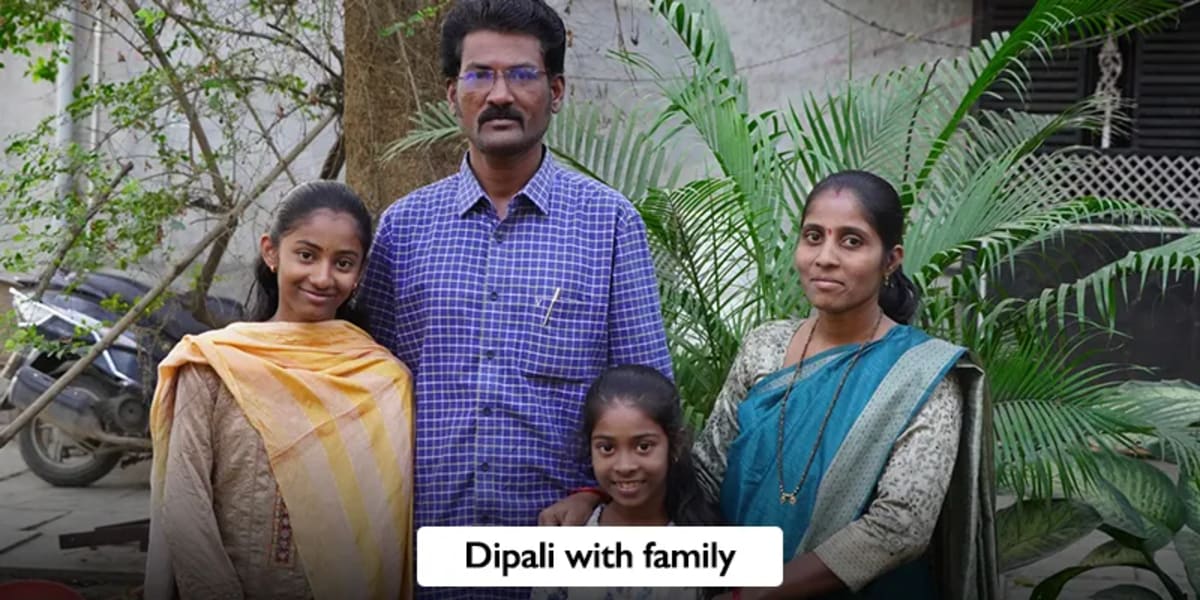
In Thodsarwadi village, where men traditionally made every farming decision, Dipali Kakasaheb Thodsare now runs a 2,500-member farmer cooperative led entirely by women.
The transformation started with soybeans. Dipali's village in Maharashtra's Dharashiv district has long depended on this volatile crop, but sustainable farming practices brought unexpected change beyond the fields.
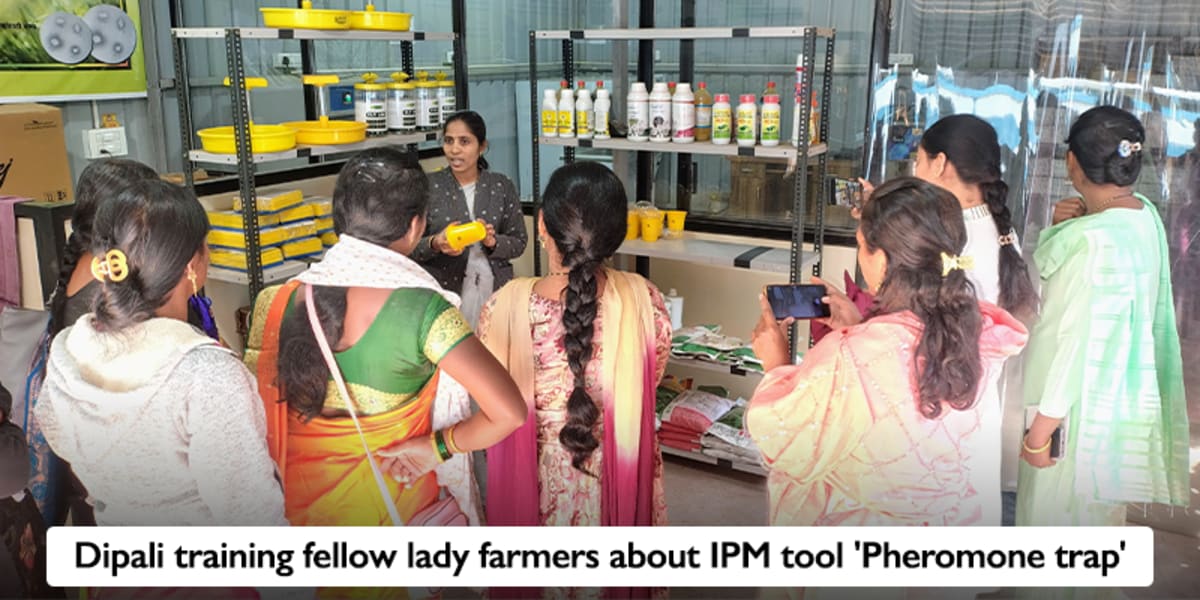
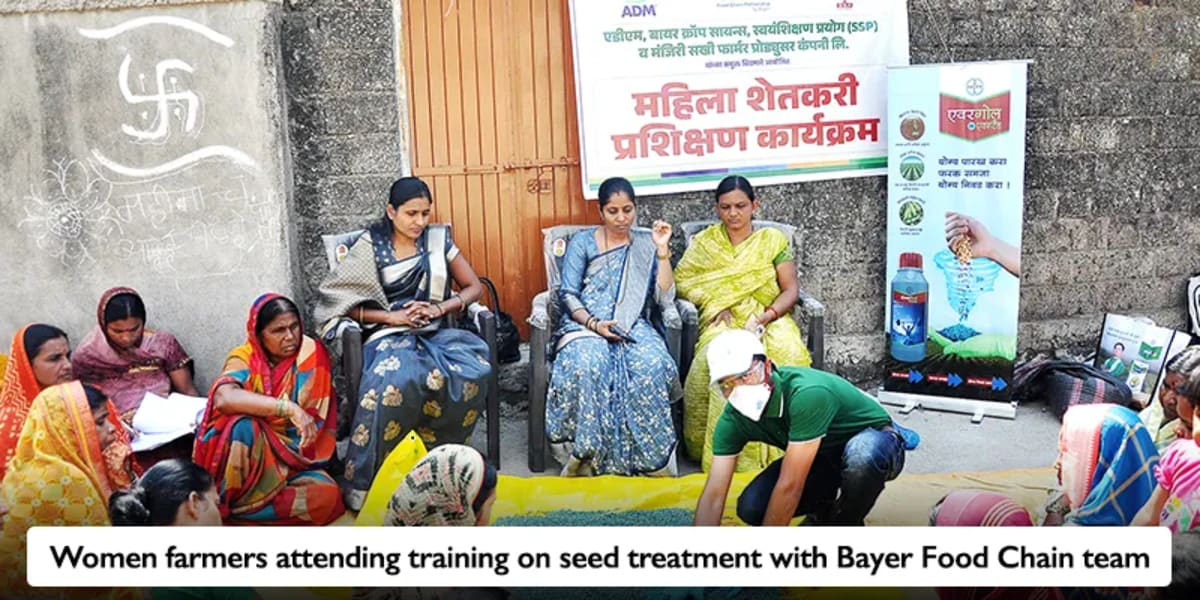
Through Bayer's Food Value Chain partnership with ADM, Dipali learned techniques she'd never encountered before. Seed treatment with biological controls like Trichoderma replaced heavy chemical use, germination testing became standard practice, and integrated pest management saved money while boosting yields.
When heavy rains hit last season, her treated seeds resisted fungal growth where untreated crops failed. The financial impact was immediate: lower costs, better harvests, and most importantly, income that stayed in women's hands through strategic pulse cultivation.
But the real revolution wasn't agronomic. "We live in a male-dominated society," Dipali explains. "Decisions about what to sow or what to buy were always taken by men."
Her farmer producer organization changed that equation. Women who once worked fields without voice now make planting decisions, access formal credit, and control their own earnings from pulse sales.
Village WhatsApp groups connect farmers directly to agronomists who answer pest questions within hours. Dipali uses agricultural apps herself and teaches other women to navigate them, creating a digital literacy loop that extends far beyond farming.
The cooperative started with just 170 women. Early obstacles like securing family consent letters took months to overcome, but systematic support from the partnership streamlined processes that once dragged on indefinitely.
The Ripple Effect
The shift extends into every corner of village life. When women control household ledgers, family nutrition decisions improve and social networks strengthen. Money brings power, Dipali notes, and that power reshapes communities from the inside out.
The sustainable practices meeting export standards also connect small village farms to global markets. Documentation traveling with each crop proves compliance with international residue limits, transforming local growers into certified suppliers thousands of kilometers away.
By 2030, Dipali plans to reach 10,000 women farmers, adding organic certification and developing leadership tiers within the cooperative. She speaks with the precision of a CEO because that's exactly what she's become.
What started as a farming improvement program became a vehicle for economic independence that no one fully anticipated.
More Images

Based on reporting by YourStory India
This story was written by BrightWire based on verified news reports.
Spread the positivity!
Share this good news with someone who needs it