Indiana Institute Turns Lab Discoveries Into Life-Saving Drugs
A nonprofit research center is solving one of medicine's toughest problems: turning promising scientific discoveries into actual treatments that reach patients. Since 2013, the Indiana Biosciences Research Institute has been bridging the gap between early research and real-world cures.
Scientists make breakthrough discoveries every day, but most never become the medicines patients desperately need. The Indiana Biosciences Research Institute (IBRI) is changing that by doing the complex work that falls between academic research and pharmaceutical development.
Founded in 2013 through a unique partnership of Indiana life sciences companies, universities, and major support from Eli Lilly and the Lilly Endowment, IBRI tackles diseases where progress has stalled. Their teams focus on Alzheimer's disease, heart and metabolic conditions, and rare pediatric cancers that often get overlooked because patient populations are small.
The challenge they solve is real. Academic labs can identify how diseases work but rarely have the resources to create actual drug candidates. Companies can develop drugs but often can't take risks on unproven early-stage ideas. IBRI steps into that gap with the expertise and infrastructure to transform promising science into something ready for clinical testing.
Their model works in three ways. Internal research teams conduct translational work in core disease areas, moving discoveries toward becoming actual therapies. Successful projects can spin out into new companies through Libris Innovations, their for-profit subsidiary, with proceeds reinvested into more research.
They also partner with biotech and pharmaceutical companies to fill gaps in their programs and speed up timelines. And through Future Legends Lab, they provide emerging startups with lab space, shared equipment, and connections to funding networks.
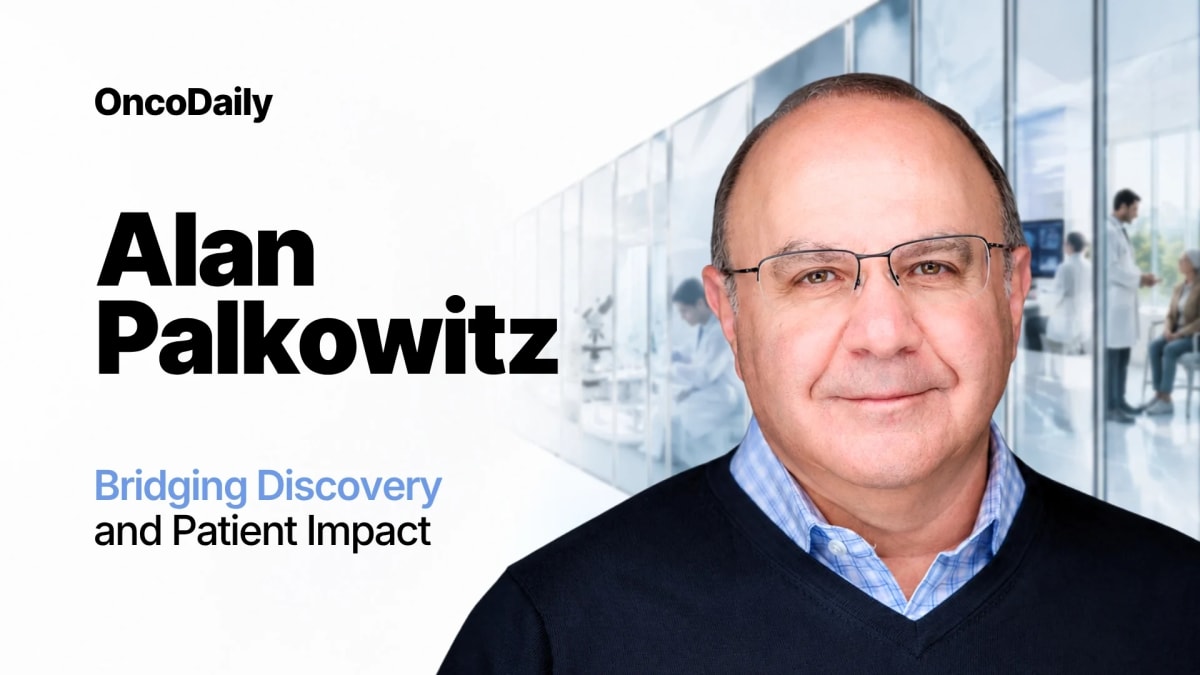
CEO Alan Palkowitz points to exciting discoveries happening right now. His teams are finding surprising connections between different diseases, like how metabolism affects neurodegenerative conditions through inflammatory pathways. These insights could lead to new biomarkers and treatment strategies no one anticipated.
Why This Inspires
What makes IBRI special is its independence. As a standalone nonprofit, they can commit to research based purely on scientific merit and patient need, not short-term business interests. This freedom lets them pursue rare pediatric cancers like neurofibromatosis, where children face aggressive tumors and limited treatment options.
In neurofibromatosis type 1, IBRI researchers have identified antibody candidates targeting DLK1, which could enable earlier cancer detection and potentially serve as a treatment target. For families dealing with these rare diseases, this kind of focused effort offers hope where investment has historically been scarce.
The institute's approach shows how collaboration across sectors can solve problems no single organization could tackle alone. By combining academic curiosity, industry expertise, philanthropic support, and government funding, they're proving there's a better path from discovery to cure.
Their success demonstrates that with the right structure and commitment, we can speed the journey from lab bench to bedside and get breakthrough treatments to the patients who need them most.
More Images



Based on reporting by Google: scientific discovery
This story was written by BrightWire based on verified news reports.
Spread the positivity!
Share this good news with someone who needs it