India's 101st Ramsar Wetland Shows Why Every Lake Matters
A sacred lake in Arunachal Pradesh just became India's 101st protected wetland, but scientists say thousands of other vital water bodies deserve protection too. The designation highlights how we decide which nature gets saved.
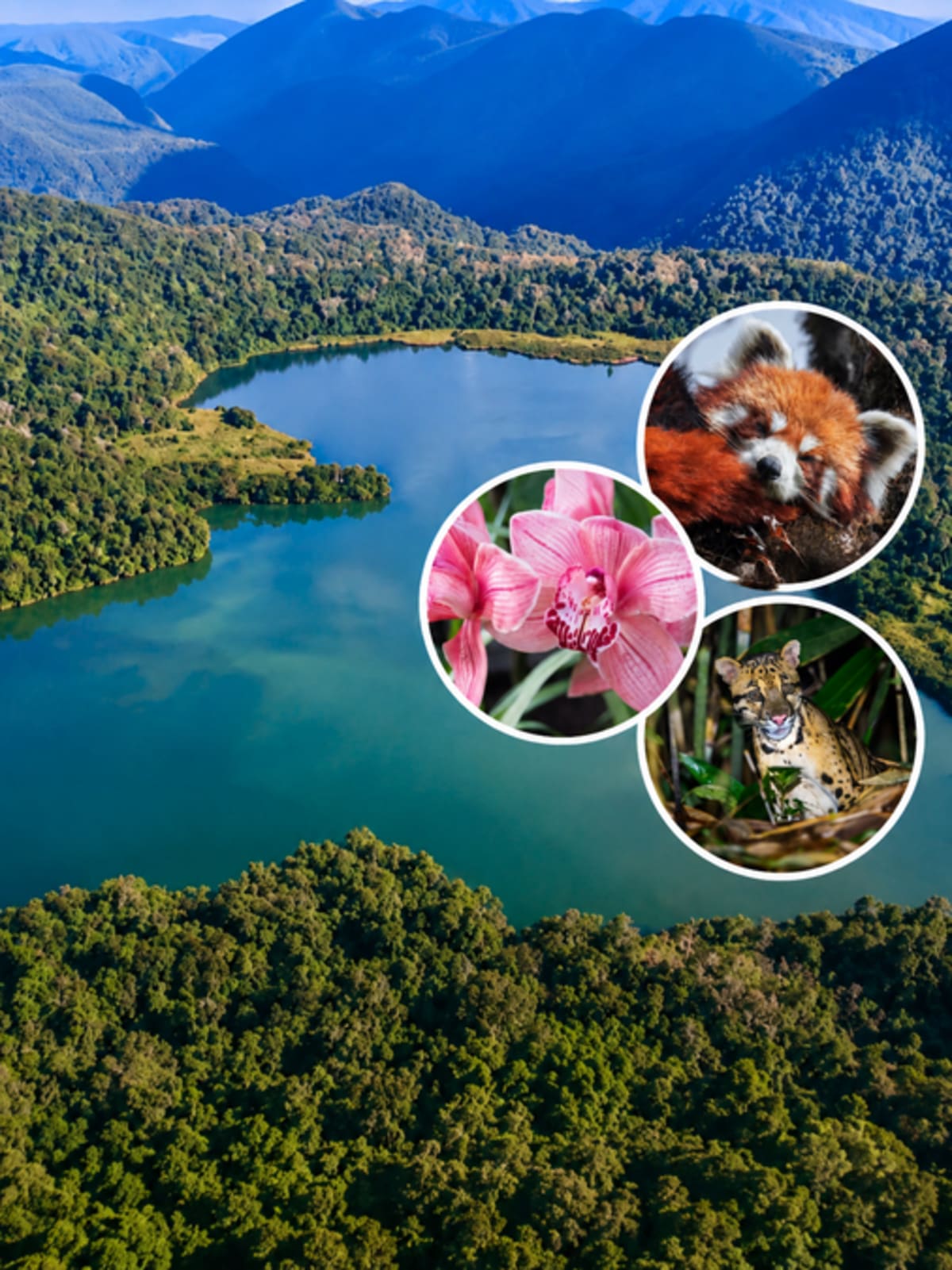
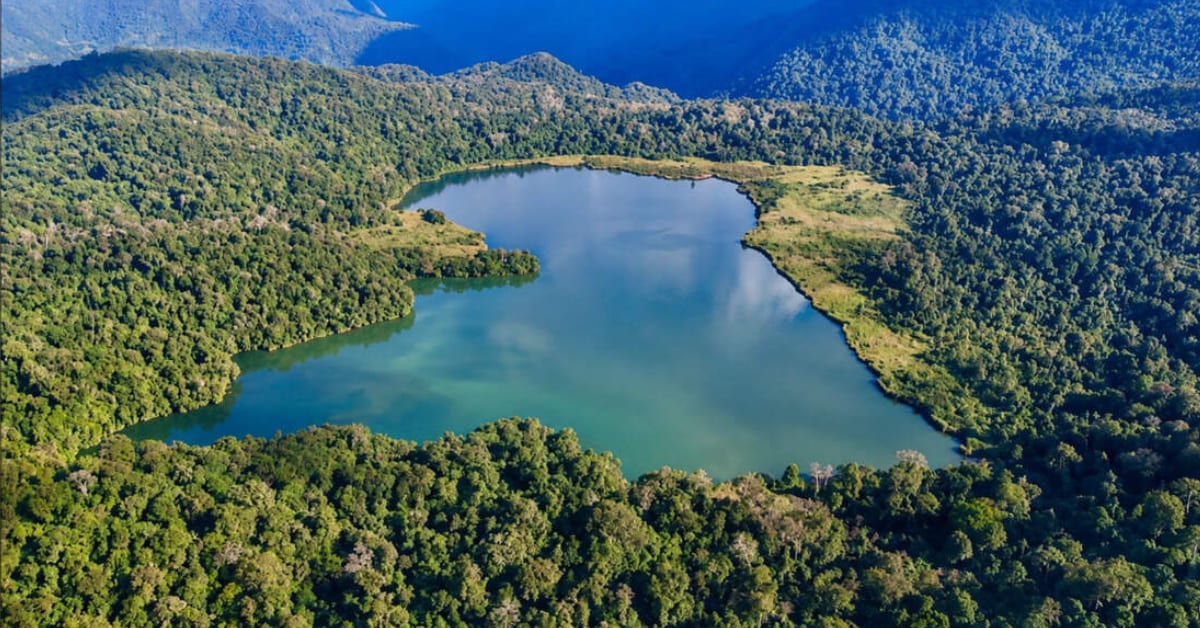
After trekking 16 kilometers through tiger territory in the Eastern Himalayas, scientists reached Glaw Lake and saw something worth protecting: 150 tree species, 49 types of orchids, and habitat for one of the world's rarest birds.
On August 3, 2026, Glaw Lake became India's 101st Ramsar Site, joining an international list of wetlands deemed important enough to protect. For the Mishmi community who consider the lake sacred, the recognition validates what they've always known about this mountain water body sitting 1,168 meters above sea level.
The designation sounds impressive. But ecologists say it raises a bigger question: what about all the other wetlands?
India had just 26 protected wetlands in 2014. That number has grown to 101 in 2026, a win for conservation. Yet thousands of lakes, marshes, and floodplains that support wildlife and communities still lack formal protection because they haven't made the international list.
Getting the Ramsar tag requires serious work. Scientists must map boundaries, document species, track water flow, and prove ecological importance. The December 2024 survey team spent two days recording everything from water chemistry to cultural significance before Glaw Lake qualified.
West Bengal shows the gap between recognition and reality. The state has two Ramsar Sites but hundreds of other wetlands that filter water, support fisheries, and sustain livelihoods without international recognition. The East Kolkata Wetlands, designated in 2002, prove that urban water systems connecting wastewater treatment with agriculture can be ecologically valuable.
The Ripple Effect
The real impact of Glaw Lake's designation might be what it reveals about conservation priorities. When we celebrate the 101st protected wetland, we're also acknowledging thousands more that meet the same ecological criteria but lack the resources for documentation and designation.
Wetlands International South Asia's survey didn't just count species. They documented how water moves through landscapes, how communities depend on these systems, and how cultural values connect people to places. That approach recognizes wetlands as living systems, not just wildlife habitats.
Every Ramsar Site adds to our understanding of what makes wetlands work. The designation brings attention, potential funding, and management frameworks. But scientists emphasize that ecological importance doesn't require an international label.
India's growing list of protected wetlands represents genuine progress in recognizing these ecosystems. The challenge now is extending that recognition and protection to the countless other water bodies that sustain life, even without the tag.
More Images
%2Fenglish-betterindia%2Fmedia%2Fmedia_files%2F2026%2F08%2F25%2Fmarten-3-2026-08-25-18-48-44.png)
%2Ffilters%3Aformat(webp)%2Fenglish-betterindia%2Fmedia%2Fmedia_files%2F2026%2F08%2F25%2Fmarten-4-2026-08-25-18-55-10.png)
%2Ffilters%3Aformat(webp)%2Fenglish-betterindia%2Fmedia%2Fmedia_files%2F2026%2F08%2F25%2Fmarten-5-2026-08-25-18-58-49.png)
Based on reporting by The Better India
This story was written by BrightWire based on verified news reports.
Spread the positivity!
Share this good news with someone who needs it