Arunachal's Hidden Lake Becomes India's 101st Ramsar Site
A remote Himalayan lake cradled by mountains has just earned global recognition as a vital wetland ecosystem. Glaw Lake in Arunachal Pradesh became the state's first Ramsar Site, protecting a biodiversity hotspot few people even knew existed.
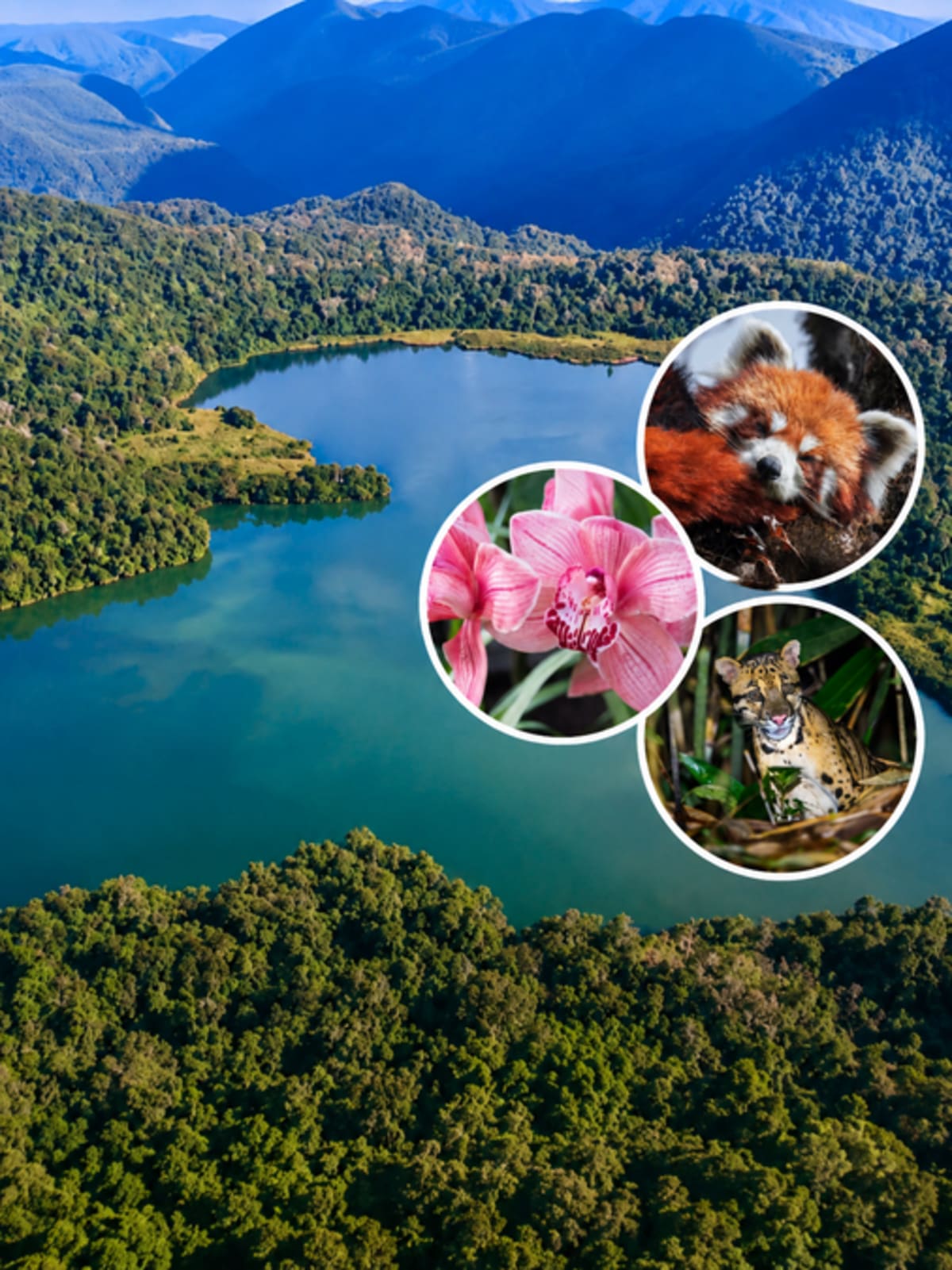
Deep in Arunachal Pradesh's forests, an 82-hectare freshwater lake has quietly sustained one of India's most remarkable ecosystems for centuries. Now Glaw Lake has stepped onto the world stage as India's 101st Ramsar Site, a designation that recognizes wetlands of global ecological importance.
Reaching Glaw takes serious commitment. The lake sits about 20 kilometers from Wakro, but the journey demands seven to eight hours of trekking across streams, gorges and forested mountain slopes at 1,168 meters above sea level.
That remoteness has helped preserve something extraordinary. Twelve perennial streams wind down through the mountains to feed Glaw year-round, connecting the lake to the vast Kamlang river system and creating a lifeline for an astonishing array of wildlife.
The forests surrounding Glaw shelter elephants, hoolock gibbons, Bengal slow lorises, flying squirrels and Himalayan palm civets. Four of Asia's most elusive big cats roam the wider Kamlang region: tiger, leopard, clouded leopard and snow leopard.
But perhaps Glaw's most precious visitor is the critically endangered white-bellied heron. The lake provides crucial habitat and wintering grounds for this rare water bird, along with many other species dependent on healthy wetlands.
The plant diversity rivals the animal life. More than 150 tree species thrive in Glaw's catchment area, alongside 49 species of orchids that transform the forest into a botanical wonderland of the Eastern Himalayas.
Even the smallest residents matter here. More than 20 species of reptiles and amphibians live across the lake and surrounding landscape, forming vital links in the intricate food web that keeps this entire ecosystem thriving.
The Ripple Effect
Glaw's recognition as a Ramsar Site brings more than just prestige. The designation commits India to protecting and wisely managing this wetland, ensuring the 12 streams, 49 orchid species, 150 tree varieties and countless threatened animals continue to thrive together.
As Arunachal Pradesh's first Ramsar Site, Glaw also puts a spotlight on the state's crucial role in conserving Eastern Himalayan biodiversity. The recognition helps secure resources and attention for protecting not just the lake, but the entire interconnected forest system that depends on its waters.
For conservation scientists, Glaw represents exactly the kind of ecosystem worth fighting for: remote enough to remain largely intact, yet accessible enough to study and protect. Its designation proves that India's commitment to wetland conservation extends even to the most hidden corners of the Himalayas.
This remote lake has become a symbol of hope for wilderness conservation across India's northeastern frontier.
Based on reporting by The Better India
This story was written by BrightWire based on verified news reports.
Spread the positivity!
Share this good news with someone who needs it