India's Village Ponds Shelter Thousands of Hidden Species
Those ordinary ponds dotting India's villages and farms are quietly supporting entire ecosystems of fish, frogs, dragonflies, turtles and birds. From Bengal's pukurs to Assam's beels, these traditional water bodies create vital stepping stones for wildlife across the country.
The next time you pass a village pond in India, look closer. What seems like still water is actually humming with life.
These familiar water bodies have supported local ecosystems for generations. In Bengal, they're called pukurs. Rajasthan has johads. Tamil Nadu has eris and kulams. Karnataka has keres. Each one looks different, holds water differently, and creates home for different creatures.
Take a typical pukur in West Bengal. Below the surface, fish feed on algae while dragonfly larvae hunt alongside beetles and snails. Frogs gather at the edges hunting insects. Then come the bigger hunters: water snakes, kingfishers, pond herons and egrets, all finding their next meal. One freshwater conservation pond in the Sundarbans has recorded dozens of varieties of dragonflies and damselflies alone.
Even temporary water makes a difference. In Rajasthan's dry landscape, a johad collects monsoon runoff and suddenly the desert comes alive. Tadpoles develop in temporary pools. Frogs arrive to breed. Birds and other animals come to drink and feed in a place where water is precious.
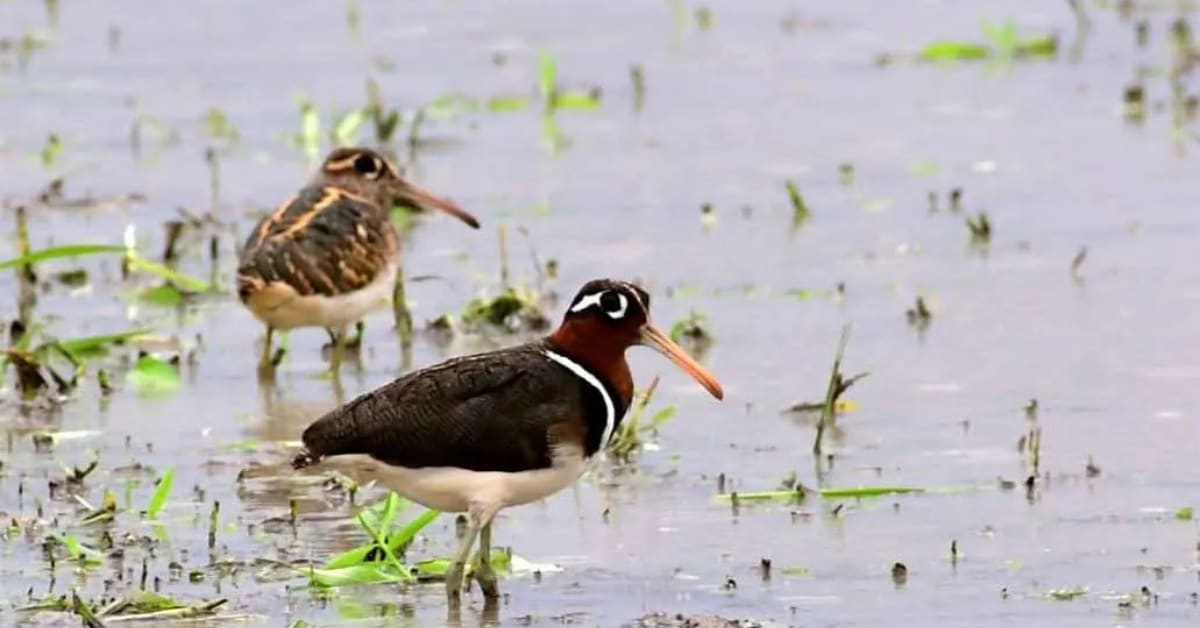
Tamil Nadu's traditional eris change with the seasons, and wildlife adapts right along with them. When water levels are high, fish and insects use the open water. As levels fall, shallow stretches appear and become feeding grounds for egrets, herons, jacanas, storks and ibises. Both resident and migratory birds use different parts of these tanks as conditions shift.
The Ripple Effect
These ponds don't exist in isolation. Across farms and villages, they act like a chain of resting, feeding and breeding spaces between larger lakes, fields and forests. Water moves between Tamil Nadu's kulams through canals and sluices, supporting farming and creating habitat for fish and birds along the way.
Assam's beels follow the floods, spreading into surrounding land during monsoon and opening new feeding and breeding areas. As water recedes, shallow areas and exposed mud give birds new places to forage. Even the edges matter most: plants and muddy shallows around any talao give frogs places to breed, dragonflies places to emerge and birds places to hunt.
The system runs deeper than what you can see. Dead leaves and plants break down at the bottom, returning nutrients to the water and feeding tiny organisms at the base of the food chain. Those organisms feed insects. Insects feed frogs and fish. Frogs and fish feed birds and snakes. The whole cycle depends on water collecting in the right place.
For generations, these traditional water bodies have been part of village life, where land, water, plants, animals and people all meet around the same space. Now we're understanding just how much life depends on keeping them healthy.
More Images
%2Fenglish-betterindia%2Fmedia%2Fmedia_files%2F2026%2F08%2F12%2Fponds-2026-08-12-16-45-50.png)
%2Ffilters%3Aformat(webp)%2Fenglish-betterindia%2Fmedia%2Fmedia_files%2F2026%2F08%2F12%2Fponds-4-2026-08-12-16-54-01.png)
%2Ffilters%3Aformat(webp)%2Fenglish-betterindia%2Fmedia%2Fmedia_files%2F2026%2F08%2F12%2Fponds-3-2026-08-12-17-06-16.png)
Based on reporting by The Better India
This story was written by BrightWire based on verified news reports.
Spread the positivity!
Share this good news with someone who needs it