Scientists Find 689 Fungi Species 1,640 Feet Underground
University of Michigan researchers discovered a thriving underground ecosystem packed with fungi living more than a quarter-mile beneath Earth's surface. The finding could reshape our understanding of life on our planet and how carbon cycles through deep rock.
Imagine an entire hidden world thriving in complete darkness, half a mile below your feet, untouched for 11,000 years.
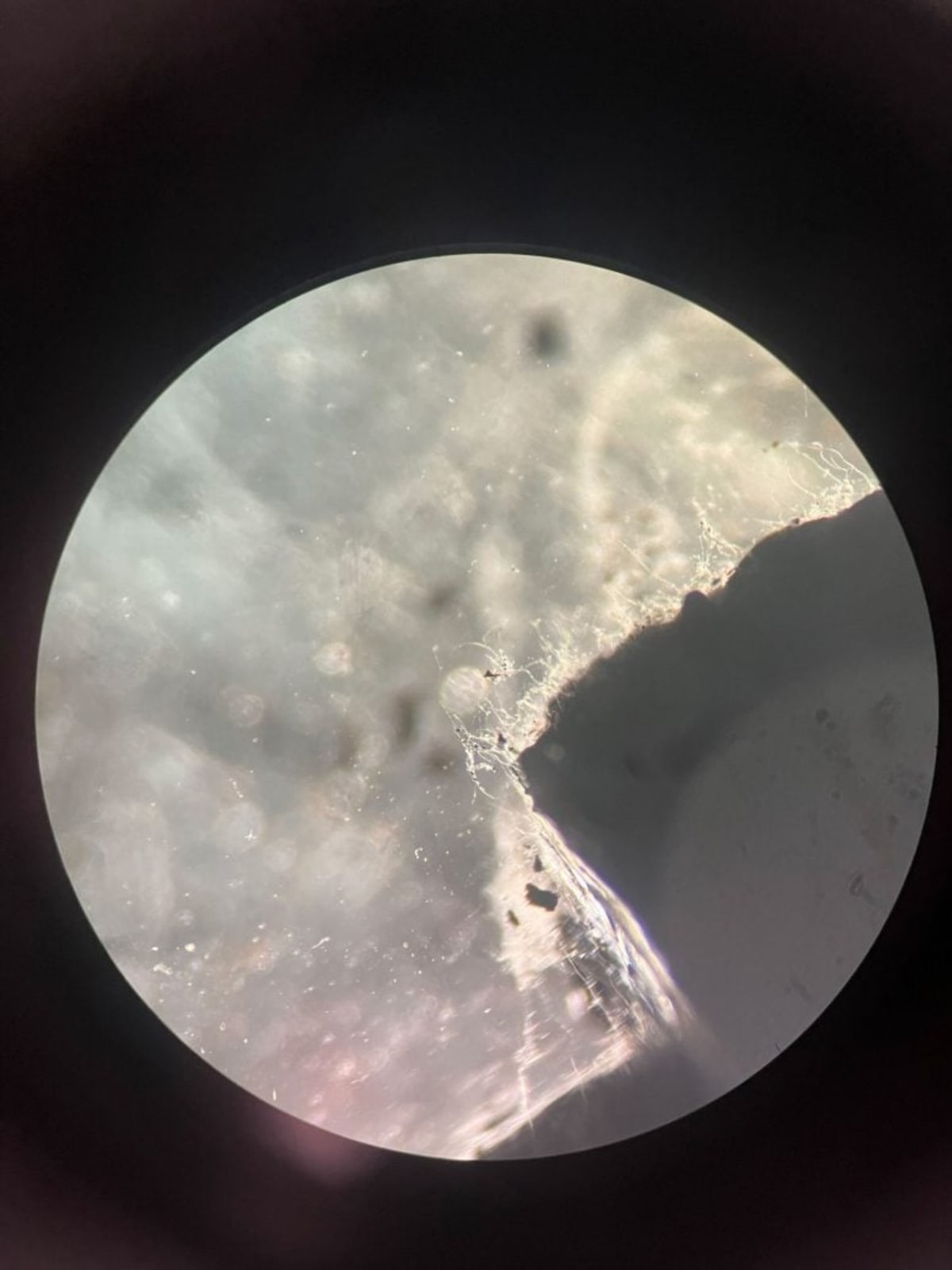
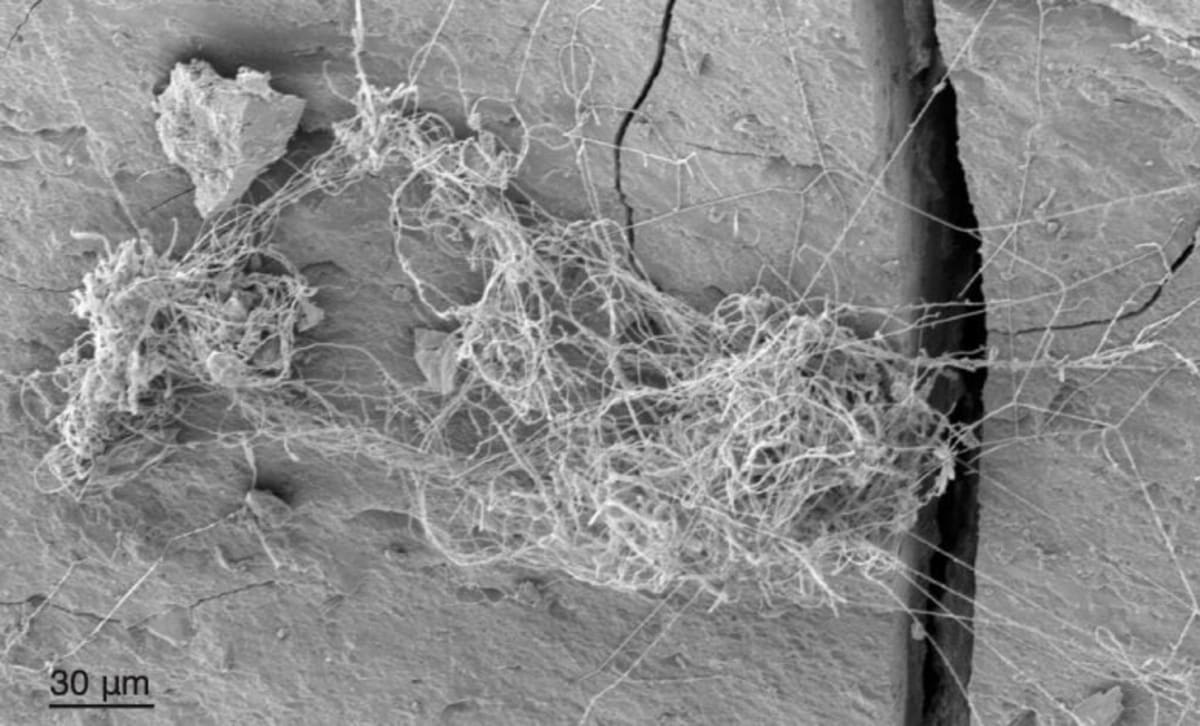
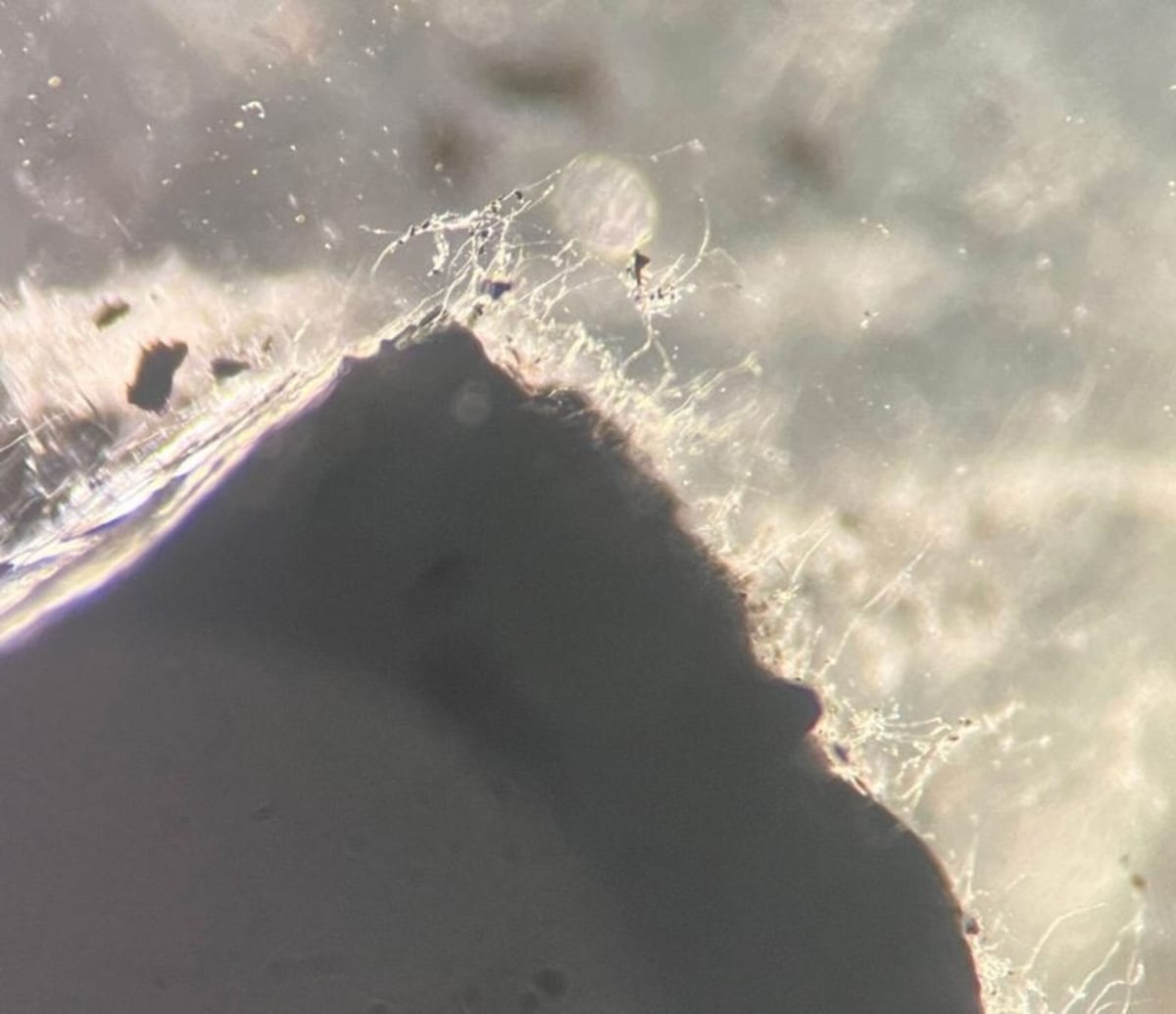
University of Michigan scientists just proved it exists. Doctoral candidate Quinn Moon and his team pulled water samples from deep gas wells beneath Michigan and found something extraordinary: 689 different species of fungi living between 650 and 1,640 feet underground in ancient rock.
A single drop of this underground water contains roughly 250 fungal cells. That's about as many as you'd find in a drop of seawater. Scale that up to an Olympic swimming pool, and you're looking at more than 12 trillion fungal cells.
The discovery challenges everything scientists thought they knew about where complex life can survive. For years, researchers assumed fungi couldn't thrive in the deep subsurface. They figured any traces found down there were just dormant spores or passing visitors.
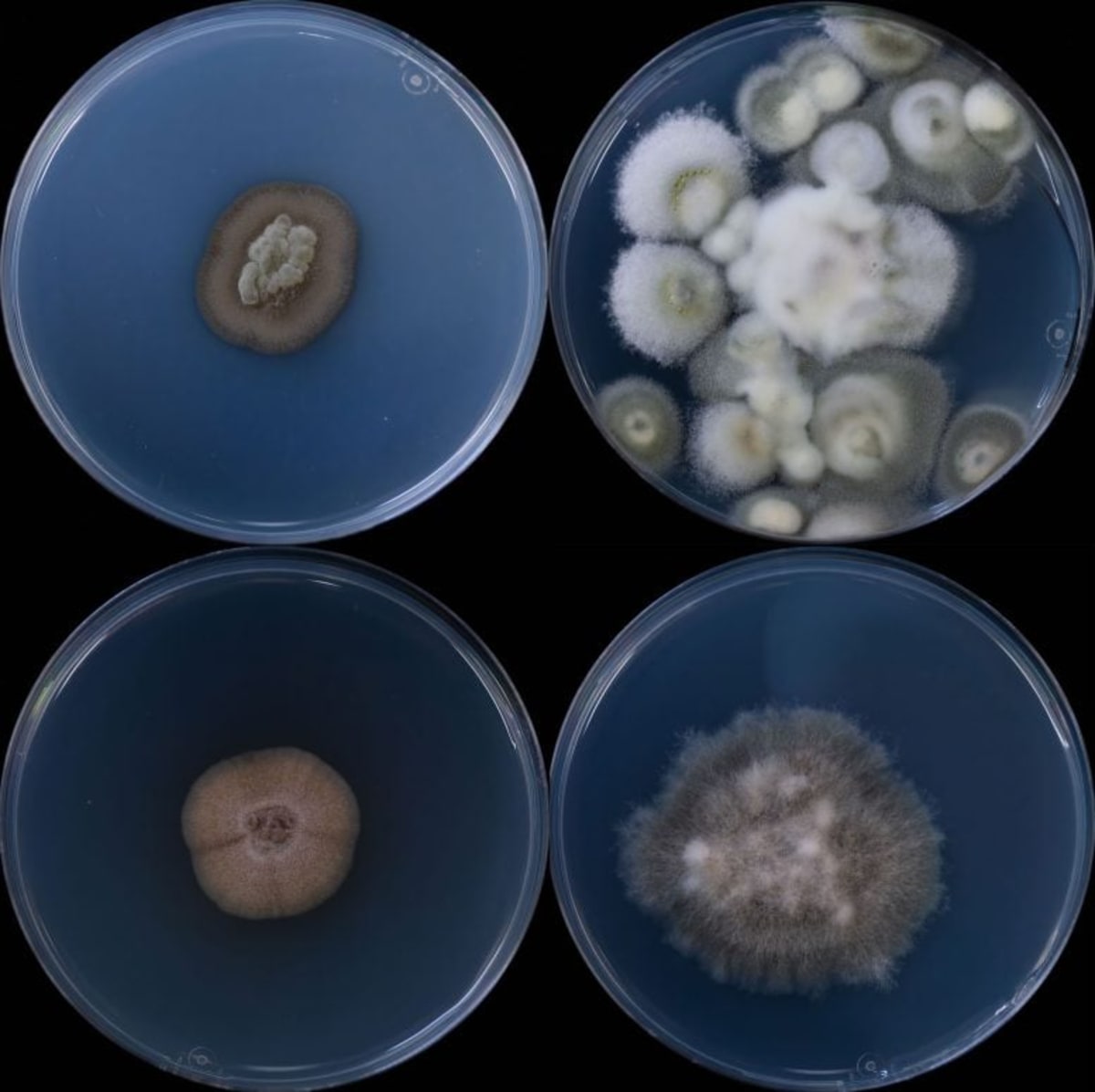
But Moon's team didn't just find DNA evidence. They grew more than 200 types of these fungi in the lab, creating the first public collection of deep subsurface fungi now stored at the U-M Herbarium. Thirteen of the species had never been formally described before.
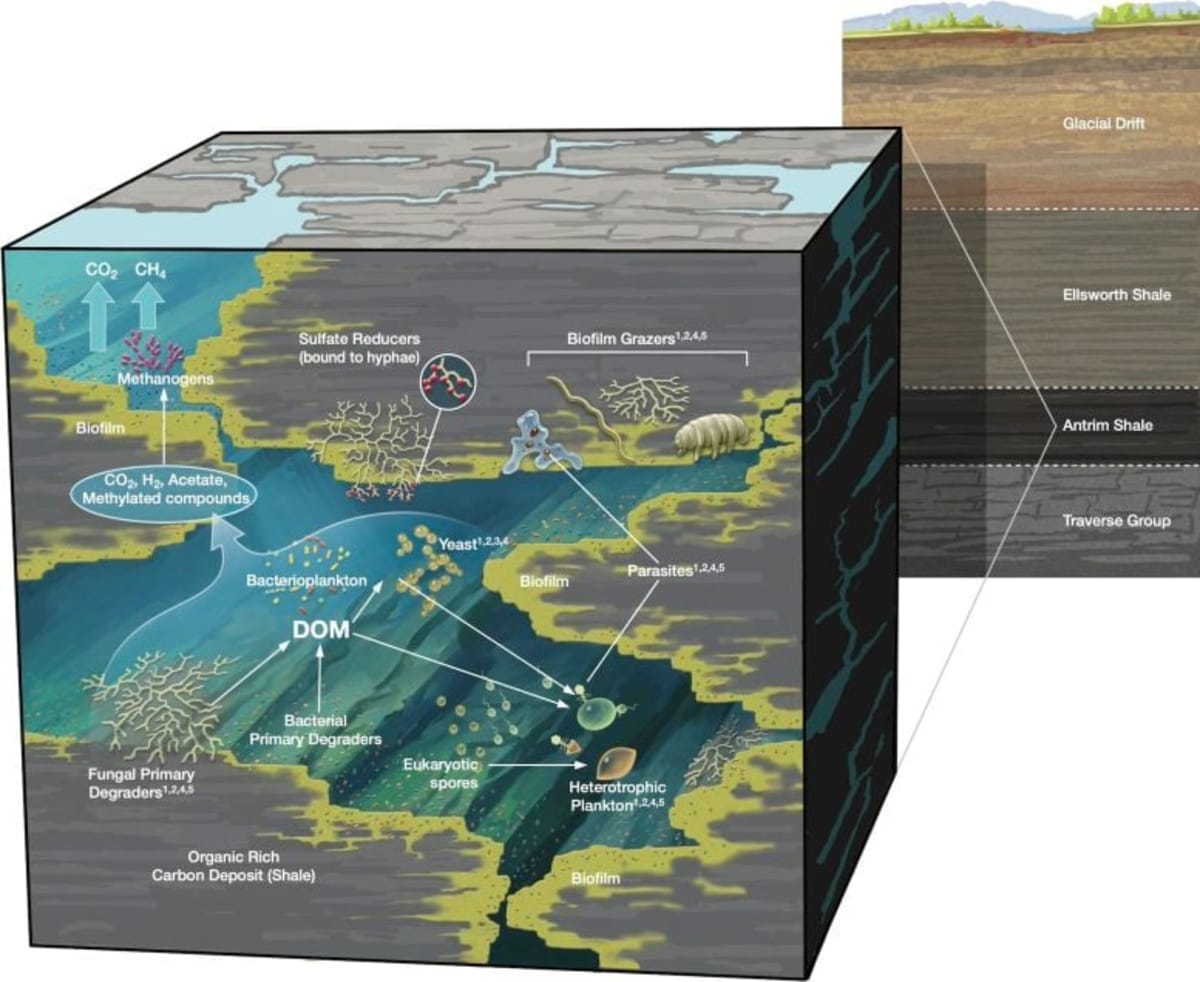
The underground world gets even stranger. Along with the fungi, researchers spotted tardigrades (those nearly indestructible "water bears") and tiny segmented worms. Evidence suggests they've formed a complete food web down there, with some organisms consuming others and some surviving as parasites.
The water itself tells an Ice Age story. Isotope analysis revealed it likely came from glaciers that melted across Michigan around 11,000 years ago. As the ice retreated, meltwater carried fungi and bacteria down through cracks in porous rock, where they settled into the Antrim Shale formation and started feeding on ancient organic material trapped inside.
The Ripple Effect
This hidden ecosystem could change how we think about climate and carbon storage. Right now, scientists treat carbon locked in deep rock as safely tucked away for millions of years. But if fungi are down there actively consuming organic material and producing methane and carbon dioxide, that carbon might be more active than anyone realized.
Similar fungal communities likely exist in oil and gas reservoirs worldwide, Moon suggests. That means global estimates of fungal biodiversity and underground carbon cycling may need major revisions. Professor Tim James, who led the study with Moon, puts it simply: "Fungi need to be incorporated into models of carbon cycling and sequestration in the subsurface."
The research, funded by the Canadian Institute for Advanced Research, brought together Earth scientists and fungal biologists for the first successful measurement of fungal abundance at such depths.
Life finds a way in the most unexpected places, even in ancient darkness a thousand feet down.
More Images
Based on reporting by Google News - Scientists Discover
This story was written by BrightWire based on verified news reports.
Spread the positivity!
Share this good news with someone who needs it