India's 5 Winter Foods Worth Traveling For
From Himalayan yak cheese to Bengal's date-stuffed crepes, India's winter reveals rare seasonal delicacies found nowhere else. These local treasures warm both body and spirit across snow-capped mountains and coastal villages.
Winter across India brings more than cold weather. It reveals hidden culinary traditions that have kept communities warm for generations.
In the high Himalayas of Sikkim and Darjeeling, locals chew on Chhurpi, a unique cheese made from yak or cow milk. The hard, candy-like snack is packed with protein and designed to last through harsh mountain winters. Herders carry it during long treks, slowly chewing pieces to stay energized in freezing temperatures.
Travel west to Himachal Pradesh, and morning markets fill with the aroma of Siddu. These steamed wheat rolls come stuffed with lentils, nuts, and warming spices. Families in Kullu and Shimla serve them piping hot with ghee or lentil soup, creating a hearty breakfast that fights off the frost.
Down in coastal Goa, winter festivals bring Patoleo to kitchen tables. These sweet rice cakes hide fillings of jaggery and coconut inside turmeric leaf wrappings. The leaves release their aroma as the cakes steam, filling homes with a scent that signals celebration and togetherness.
Kerala's winter treat is Pheni, delicate fried vermicelli soaked in sugar syrup. The thin, crispy strands pair perfectly with steaming tea on chilly evenings. Families prepare batches during festivals, sharing the subtly sweet snack with neighbors and visitors.
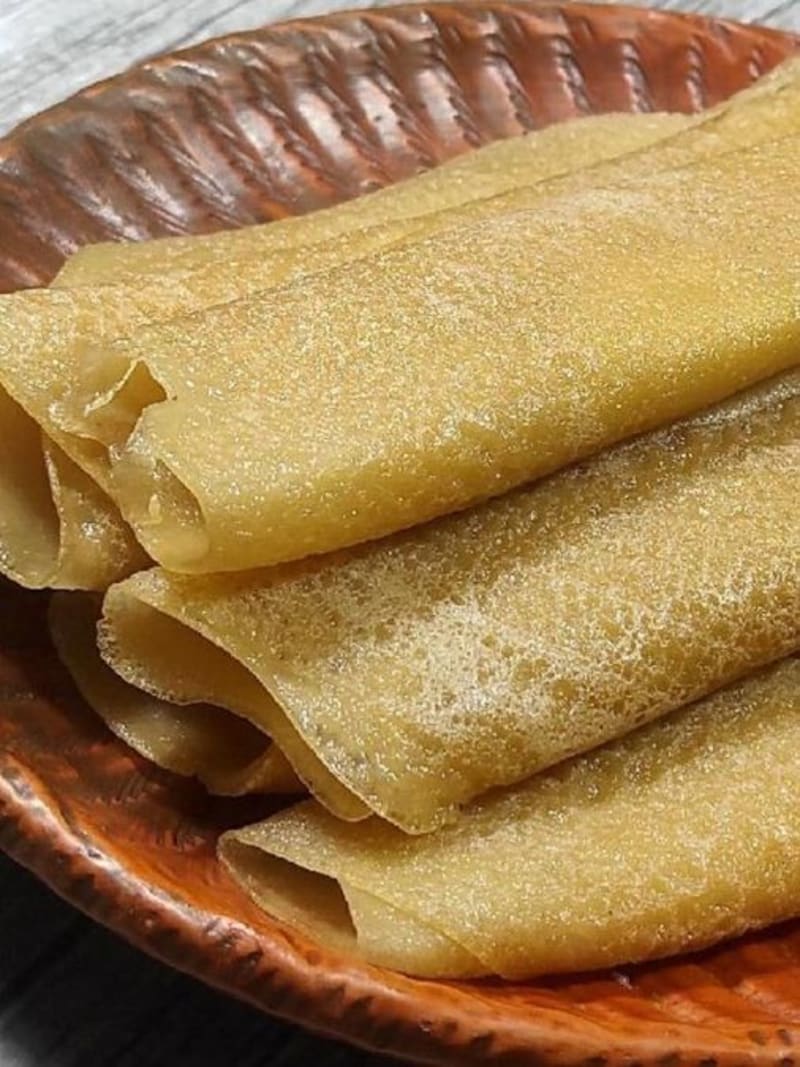
In West Bengal, winter means Pati Shapta season. Cooks make thin rice flour crepes only when fresh dates arrive, stuffing them with coconut and jaggery. The warm, aromatic dessert rarely travels beyond Bengal, making it a treasured local secret.
Why This Inspires
These dishes do more than satisfy hunger. They connect people to place, season, and tradition in ways modern food rarely does. Each recipe uses ingredients available locally during winter months, creating flavors impossible to replicate year-round.
Communities have perfected these foods over centuries, adapting them to their climate and resources. A Himalayan herder's cheese solves different problems than a Bengali's date crepes, yet both bring the same warmth and comfort.
India's winter cuisine proves that the best food stories happen at the intersection of necessity, creativity, and love.
Based on reporting by The Better India
This story was written by BrightWire based on verified news reports.
Spread the positivity!
Share this good news with someone who needs it
%2Fhttps%3A%2F%2Ftf-cmsv2-smithsonianmag-media.s3.amazonaws.com%2Ffiler_public%2Fe1%2Fb6%2Fe1b6d8e2-2651-40d7-8c2d-205a79804a5d%2F1d4d8608-5703-44e4-9ce8-952b7bc9ee60.jpg)

%2Fhttps%3A%2F%2Ftf-cmsv2-smithsonianmag-media.s3.amazonaws.com%2Ffiler_public%2F15%2F3b%2F153b5427-10f9-4ad6-b039-8823a36efc6f%2Fhd100065orig.jpg)