8 Photographers Who Showed India to the World
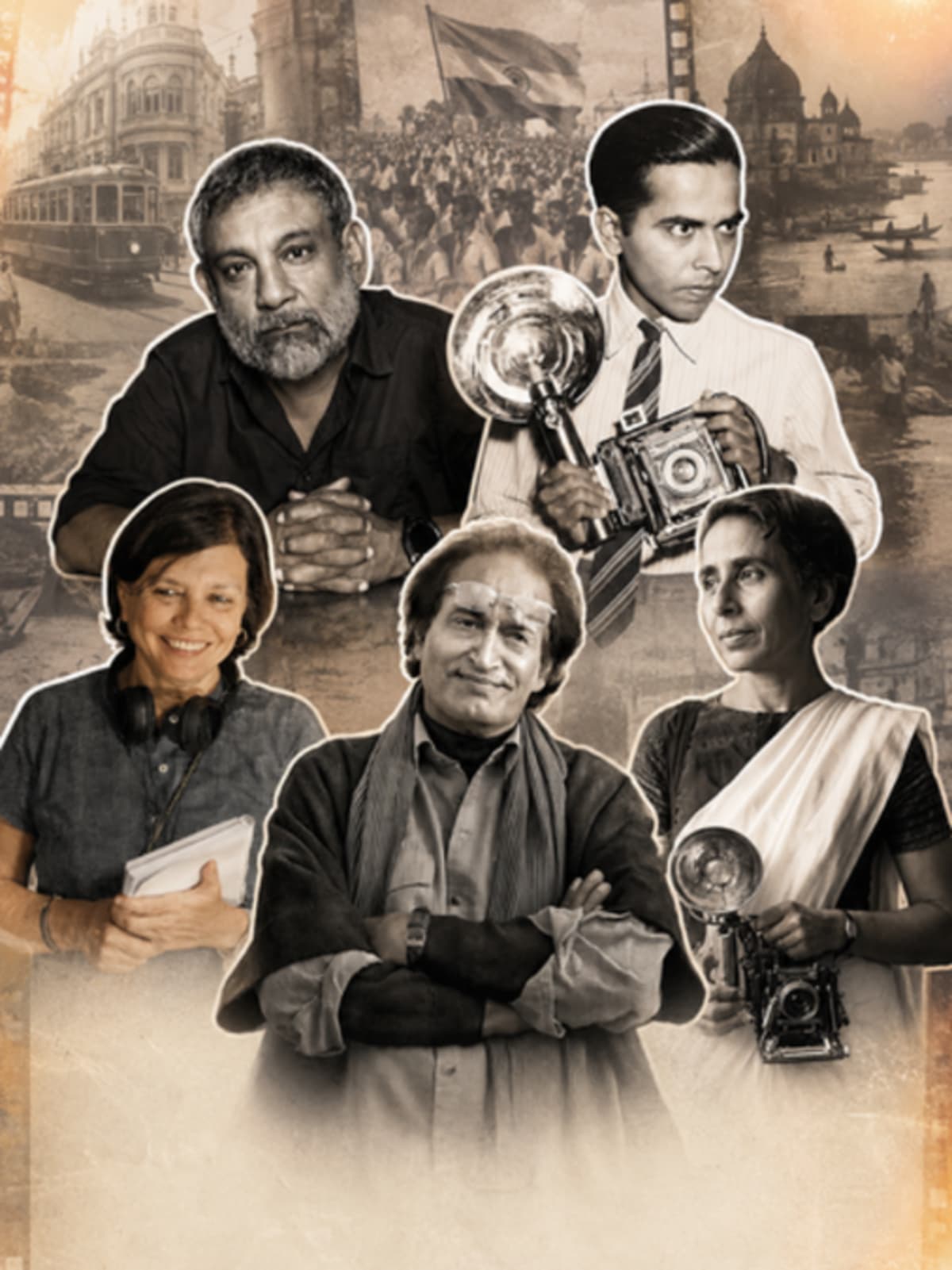
From Gandhi's funeral to Bombay's streets, eight photographers spent decades capturing India's true face when most cameras looked away. Their lenses turned photojournalism into art and reshaped how a nation saw itself.
When Homai Vyarawalla cycled through Delhi in the 1940s with her camera, she wasn't just photographing history. She was making it as India's first female photojournalist, publishing under a male byline to break into a profession that wouldn't let women through the door.
She captured Gandhi's funeral in 1948, Nehru's early parliament years, and independence itself in 1947. Her frames became the visual memory of a newly free nation finding its feet.
While Vyarawalla documented power, Sunil Janah pointed his camera at suffering the newspapers ignored. His 1943 photos of Bengal's famine showed starving villagers, later expanding to document Partition's violence and industrial workers whose stories rarely made print.
TS Satyan took a different path entirely. Joining Bangalore's Deccan Herald in 1948, he chose ordinary shopkeepers, farmers, and schoolchildren as his subjects instead of politicians or tragedies, later freelancing for Life and Time magazines.
Raghu Rai grew up on these stories and joined The Statesman in 1965. When Henri Cartier-Bresson invited him to Magnum Photos in 1977, he became one of photography's elite, but his most haunting work came in 1984 at Bhopal's gas tragedy, where his image of a buried child became photojournalism's defining record of industrial disaster.
Pablo Bartholomew stood beside Rai that terrible day in Bhopal. Already a World Press Photo winner at twenty for documenting morphine addicts in 1975, his Bhopal images earned him Photo of the Year.
Why This Inspires
While others worked in black and white, Raghubir Singh revolutionized Indian photography by choosing colour in the 1960s when serious photographers avoided it. His books River of Colour and A Way into India reframed how the world saw India's streets, festivals, and rivers.
Dayanita Singh published her first book on Zakir Hussain in 1986 but later left photojournalism, frustrated by editors who exoticized India. Her 2017 Museum Bhavan project turned photographs into portable wooden exhibitions that traveled to viewers instead of waiting in galleries.
Sooni Taraporevala borrowed money from her Harvard roommate in 1977 to buy her first camera. She spent years photographing Bombay's dwindling Parsi community, publishing Parsis in 2000 while also writing the Oscar-nominated screenplay for Salaam Bombay!.
Their negatives and contact sheets now sit in museums and archives, eight decades of work that redefined how India understood independence, poverty, faith, and identity. Somewhere today, another photographer is doing the same.
Based on reporting by The Better India
This story was written by BrightWire based on verified news reports.
Spread the positivity!
Share this good news with someone who needs it