India's Battery Solution Could Save 300 GWh of Clean Power
India lost 300 GWh of renewable electricity in early 2026 due to transmission bottlenecks, but battery storage could solve the problem faster than building new infrastructure. A simple fix using existing technology could prevent enough clean energy waste to power 5 million homes.
India wasted enough clean electricity in three months to power millions of homes, but the solution might be simpler than anyone expected.
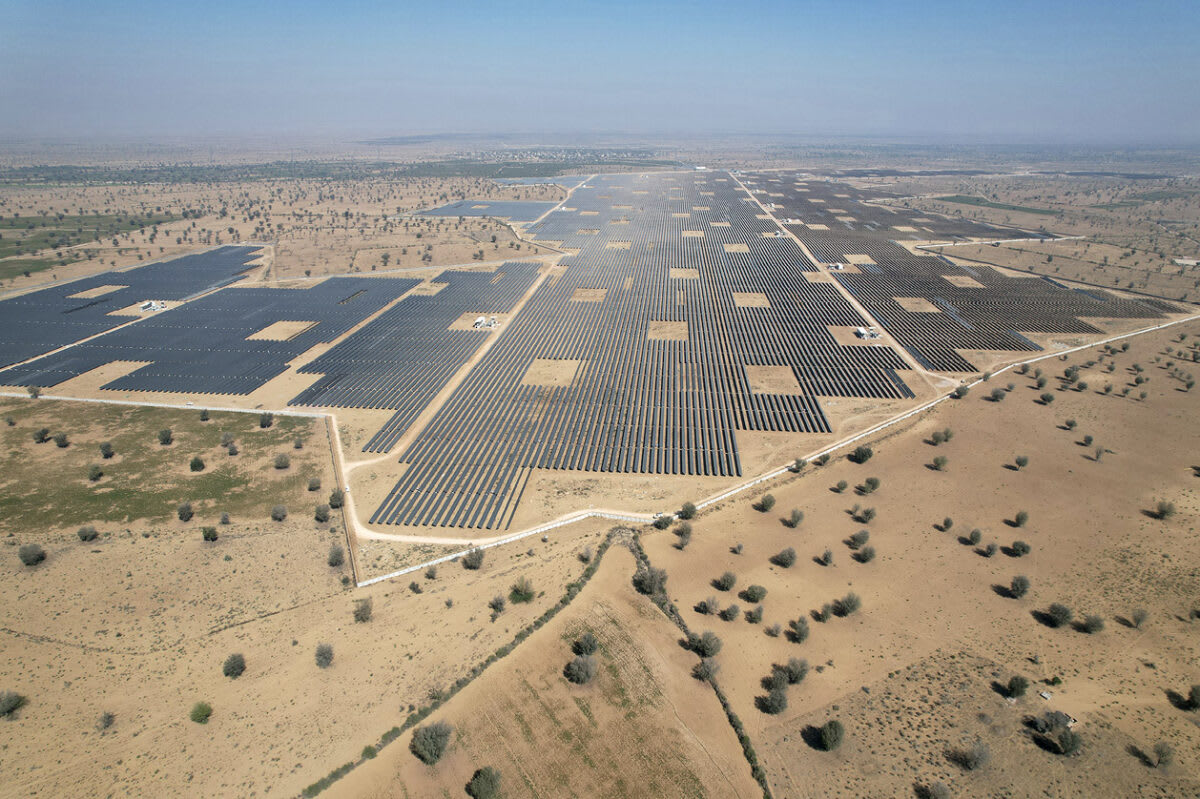
Between January and March 2026, transmission constraints caused India to lose 300 GWh of solar and wind power across northern and western regions. On the worst single day, March 30, the country lost 34 GWh of clean generation equivalent to the daily electricity needs of 5 million middle-class urban households.
The culprit isn't a lack of renewable energy. India's solar and wind farms are producing more power than ever, but the transmission lines can't keep up. Over the past five years, India has achieved only 80% of its annual transmission targets, and one in four major transmission projects is running at least a year behind schedule.
Here's where the story gets exciting. Analysis from Ember reveals that battery storage systems could solve most of this problem right now, without waiting years for new transmission lines.
Just 3 to 4 gigawatts of two-hour battery storage at existing power pooling stations could have absorbed nearly all the curtailed generation. The kicker? There's already 236 GW of plug-and-play battery capacity available at major pooling stations. The technology is ready. The space exists. What's missing is just the regulatory framework to make it happen.
The Bright Side
Battery storage paired with solar would cost states between 7 and 8 rupees per kilowatt-hour, cheaper than the 10 rupees many states currently pay for peak power. This means cleaner energy at a lower cost.
The batteries could also reduce India's reliance on expensive imported natural gas and free up domestic gas supplies for industrial uses where they're needed most. It's a triple win: less waste, lower costs, and reduced imports.
Southern India offers proof this approach works. That region recorded zero transmission-related curtailment because grid expansion kept pace with renewable energy growth.
Ember recommends two regulatory fixes to unlock battery deployment quickly. First, a government intermediary could aggregate power from renewable projects and contract it to battery developers, reducing risk. Second, batteries could be treated as transmission assets with costs shared across states, just like transmission charges work now.
Additional quick fixes include harmonizing how curtailment is compensated and improving transparency in connectivity procedures to encourage more local renewable development.
India doesn't need to choose between renewable energy growth and grid reliability anymore. The solution is already sitting there, waiting to be plugged in.
More Images
Based on reporting by PV Magazine
This story was written by BrightWire based on verified news reports.
Spread the positivity!
Share this good news with someone who needs it