India's Clean Energy Investment Surges Amid Fossil Fuel Crisis
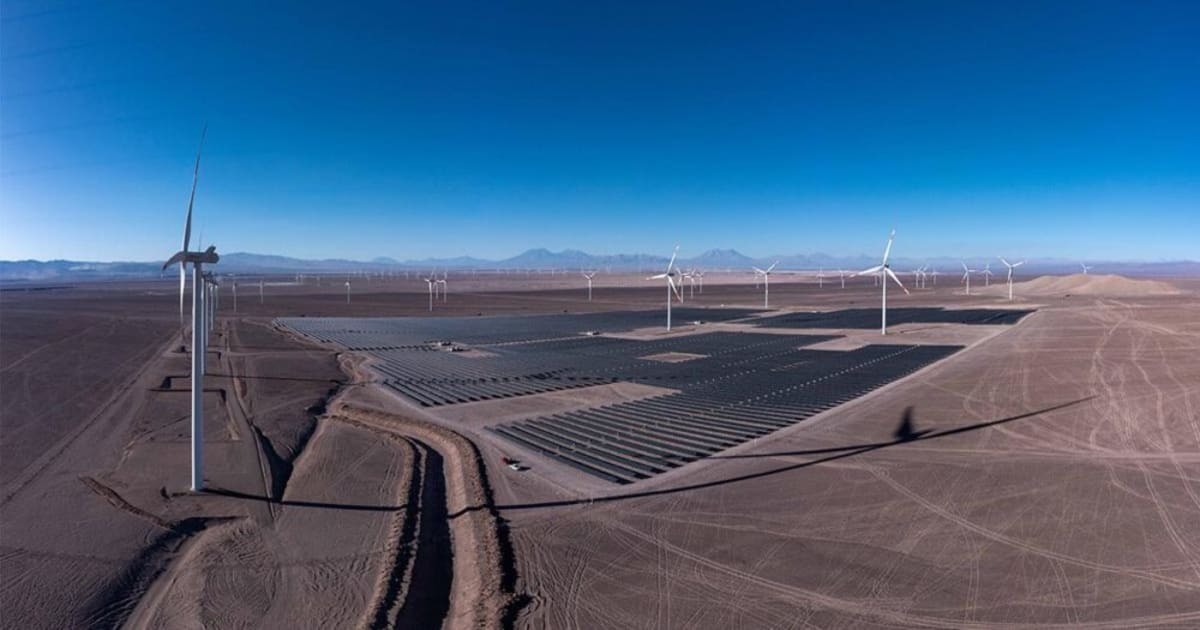
Rising oil and gas prices from Middle East conflict are accelerating India's shift to renewable energy, with solar and wind power proving more stable than fossil fuels. Private companies are leading the charge with billions in green investments and record renewable capacity additions.
When global oil prices jumped 35% in early 2026, India didn't just feel the pinch. The world's third-largest oil importer watched its energy costs spiral, but something unexpected happened next.
Indian families started ditching their gas stoves. After LPG cylinder prices rose 7% in March, electric induction cooktop sales surged across the country, part of a broader shift that pushed the Indian Energy Exchange to record volumes of 13.9 billion units traded.
The crisis exposed a vulnerability India had been working to fix. Coal mining costs shot up as key inputs like ammonium nitrate and diesel climbed 44% and 54% respectively, hitting the profits of Coal India Limited and revealing how dependent the power sector remained on unpredictable global supply chains.
But renewable energy told a different story. Projects with signed power agreements kept delivering predictable returns even as fossil fuel revenues swung wildly, attracting patient capital from investors suddenly wary of fuel price volatility.
The numbers reflect this shift in confidence. Renewables accounted for 84% of new power capacity in late 2025, with solar panel prices down 80% over the past decade and battery costs falling 36% since 2022. Recent bids show solar power with battery storage reaching roughly 7 cents per unit, competitive with any energy source.
Private companies are seizing the moment. Indian corporations now own 71.8% of the country's renewable capacity and are channeling billions in international investment. Adani Green secured $3 billion from eight global lenders, while ReNew Power received $331 million from the Asian Development Bank.
The manufacturing base is growing too. JSW Energy is building a 1,000 megawatt-hour battery storage system, while Adani Group's 3,530 megawatt-hour project will become India's largest battery installation. Companies like Borosil Renewables and Tata Power are strengthening domestic solar panel production, reducing dependence on imports.
India has issued nearly $25 billion in green bonds as of March 2026, mostly from private sector companies attracting long-term global investors who see clean energy as protection against both climate risks and geopolitical shocks.
Electric vehicle sales tell the same story, jumping 24.6% to 2.45 million units in fiscal year 2026. As gas prices climbed, EVs became not just an environmental choice but an economic one.
The Ripple Effect
This energy transformation reaches beyond power plants and solar farms. Every rupee invested in renewable capacity is a rupee that stays in India rather than flowing overseas to buy imported fuel, strengthening energy security while creating domestic manufacturing jobs.
The crisis that threatened to derail India's economy is instead accelerating the country's clean energy future, proving that the most resilient investments are often the most sustainable ones.
Based on reporting by Google: clean energy investment
This story was written by BrightWire based on verified news reports.
Spread the positivity!
Share this good news with someone who needs it