India's Clean Energy Surge Stops Power Emissions for 2 Years
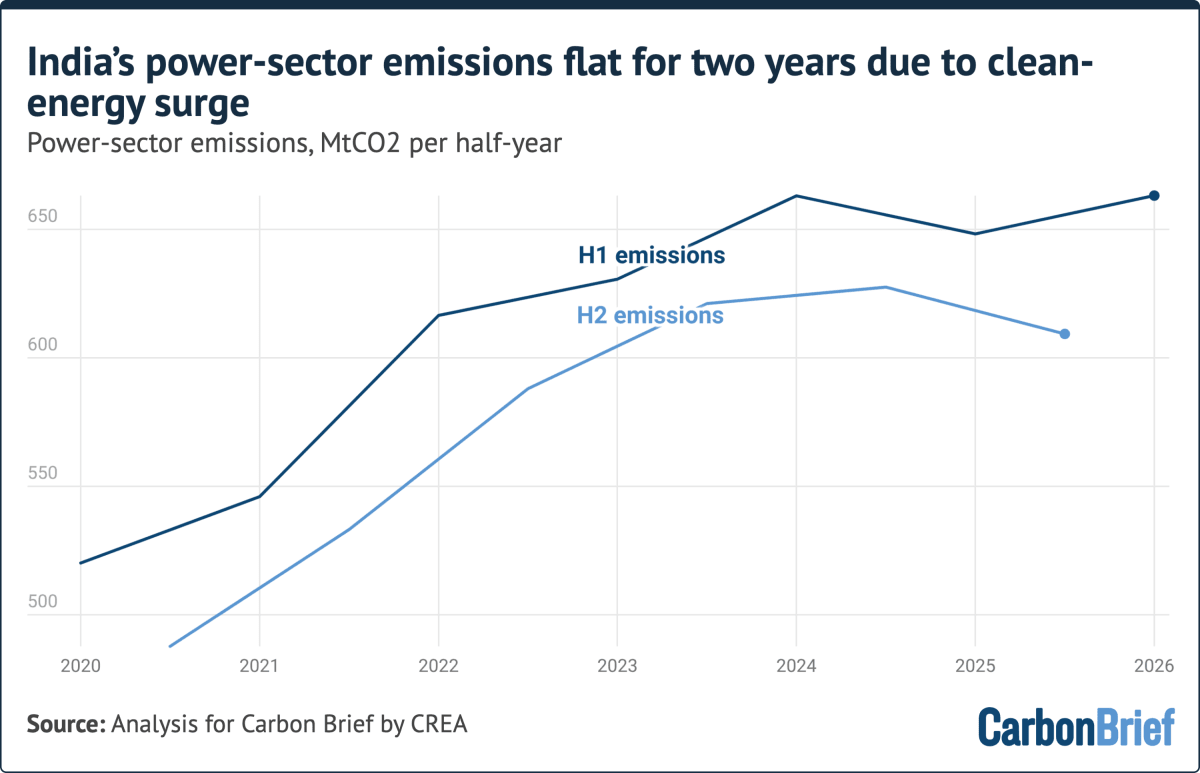
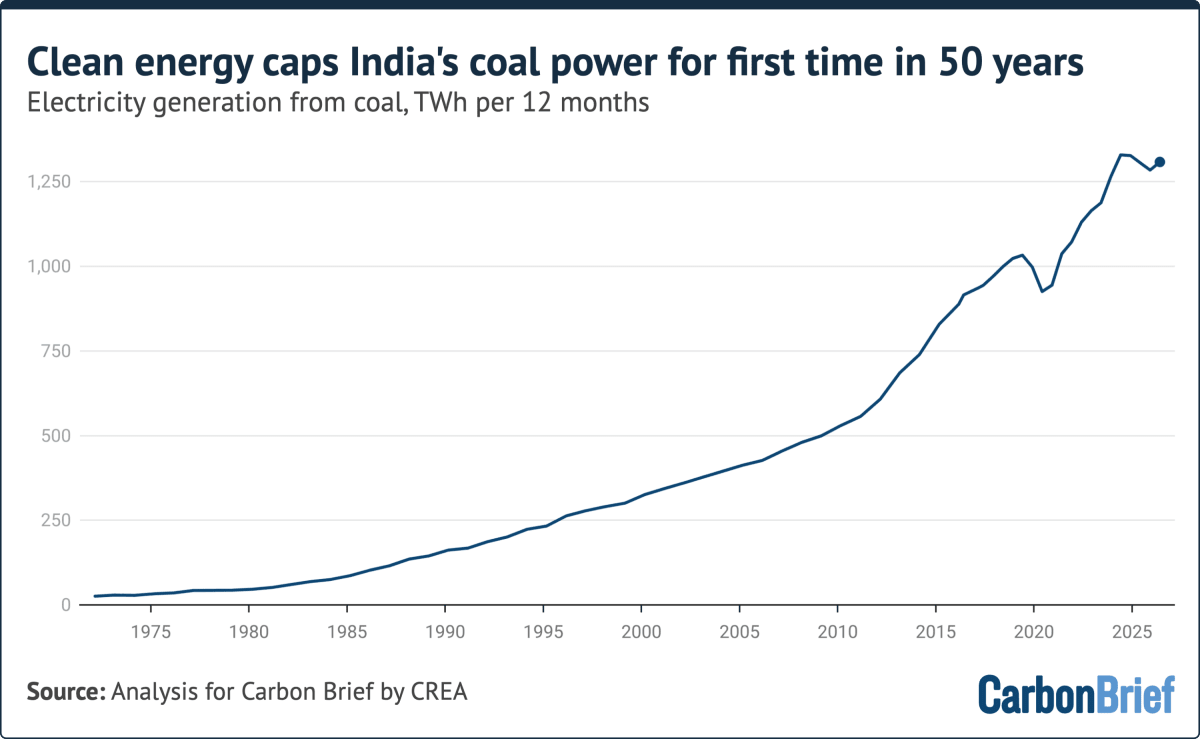
For the first time in over 50 years, India's coal power generation hasn't grown over a two-year period, thanks to an unprecedented boom in solar, wind, and other clean energy sources. The nation added enough renewable capacity to meet all its rising electricity demand while keeping power sector emissions completely flat.
India just achieved something remarkable: its power sector emissions stayed completely flat for two years, even as the country's electricity needs grew by 7%.
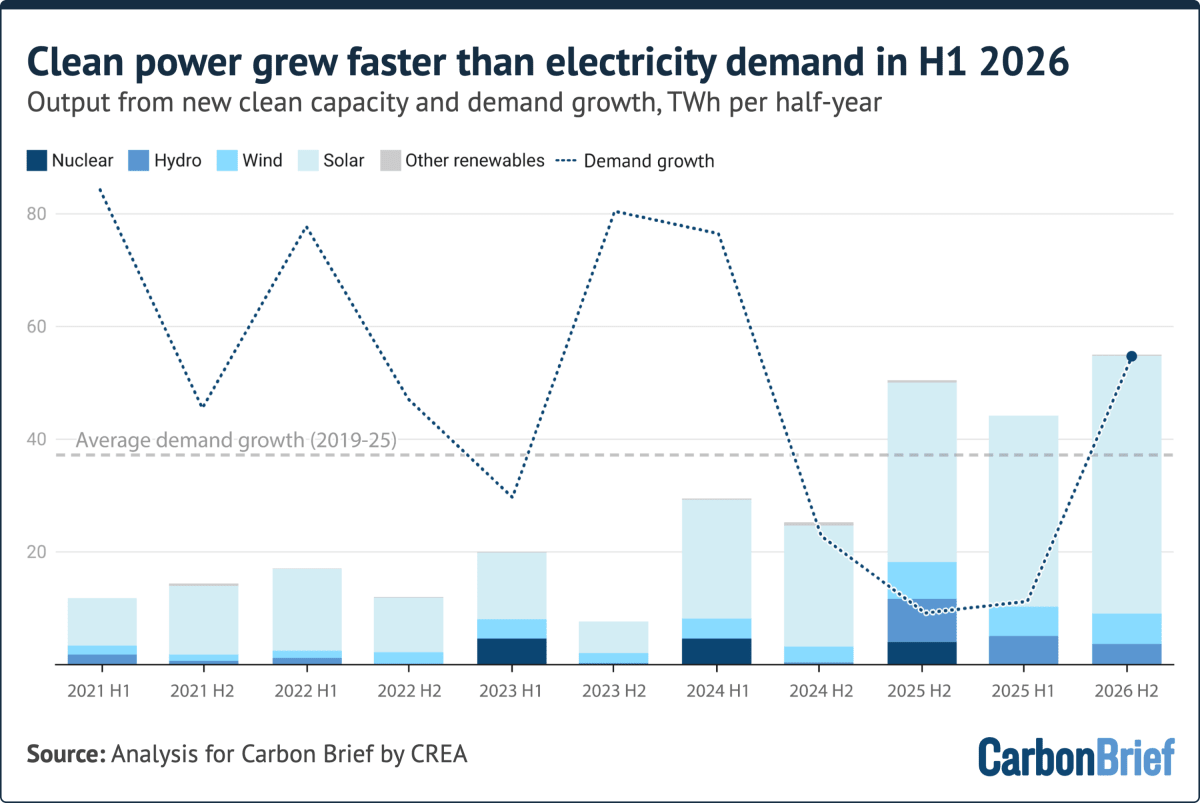
Clean energy sources met every bit of that increased demand. Solar panels, wind turbines, nuclear plants, and hydropower generated an additional 70 terawatt hours of electricity between early 2024 and early 2026, more than the entire electricity consumption of Switzerland.
This marks the first time in more than half a century that India's coal power hasn't grown over a two-year period while electricity demand continued climbing. That's a historic turning point for the world's most populous nation and one of its fastest-growing economies.
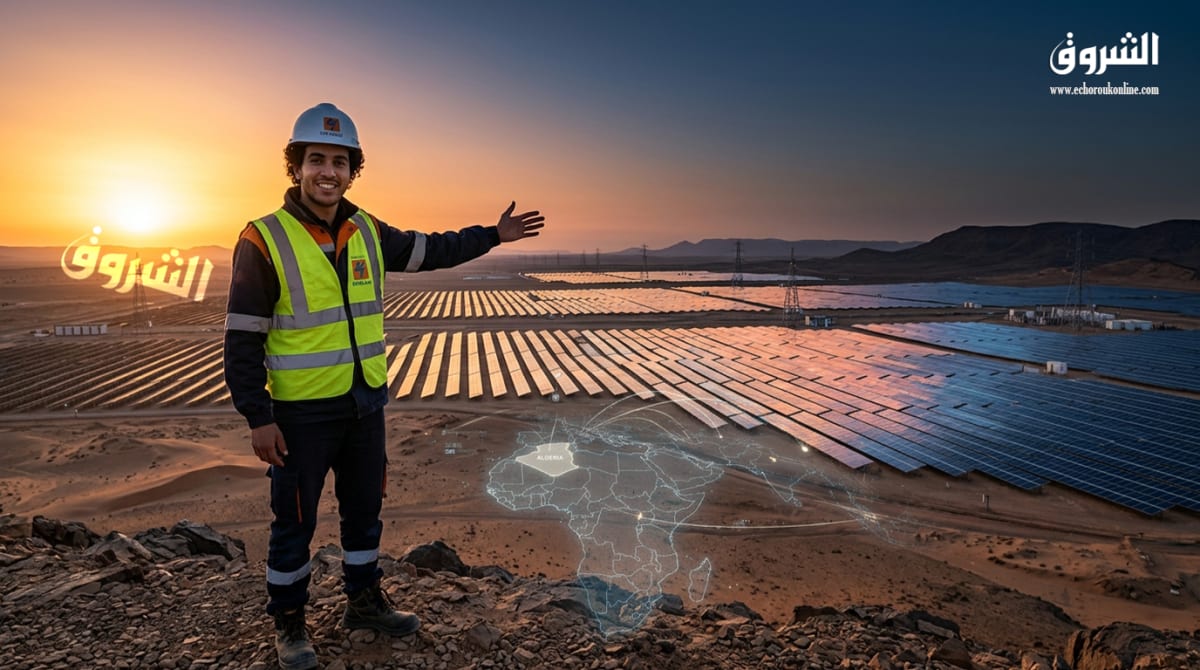
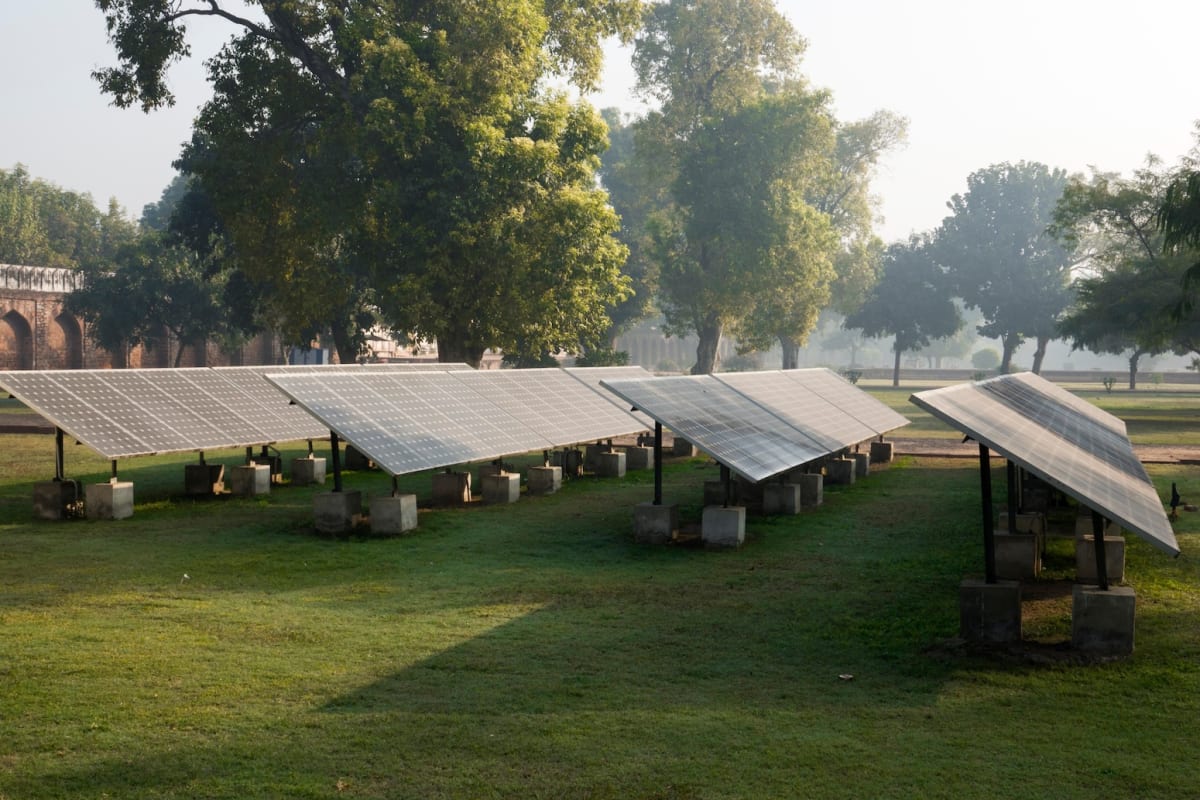
Solar power led the charge, with India installing 77 gigawatts of new solar capacity in just two years. That's enough to power tens of millions of homes and provided 60% of the country's electricity demand growth all by itself.
Wind energy, nuclear power, and hydroelectric dams filled in the rest, collectively adding capacity that eliminated the need for any new fossil fuel generation. Coal plants that were built during this period ended up running fewer hours, actually increasing costs for consumers because the clean energy proved more economical.
The Ripple Effect
The clean energy boom delivered benefits beyond just the power sector. Oil and gas consumption across India fell for two consecutive years, helping the nation weather the ongoing Hormuz crisis with less economic disruption.
This shift demonstrates that major developing economies can grow without increasing their fossil fuel dependence. India proved that rapid economic expansion and flat emissions can happen at the same time, offering a blueprint for other emerging nations.
The transition also created hundreds of thousands of jobs in solar panel installation, wind turbine maintenance, and grid infrastructure upgrades. Communities across multiple states now have access to cleaner air and more reliable electricity at lower costs.
Analysts note that continuing this momentum will require grid upgrades and energy storage solutions to handle the variable nature of solar and wind power. But the infrastructure investments are already flowing, with new capacity additions running above average demand growth for the past 18 months.
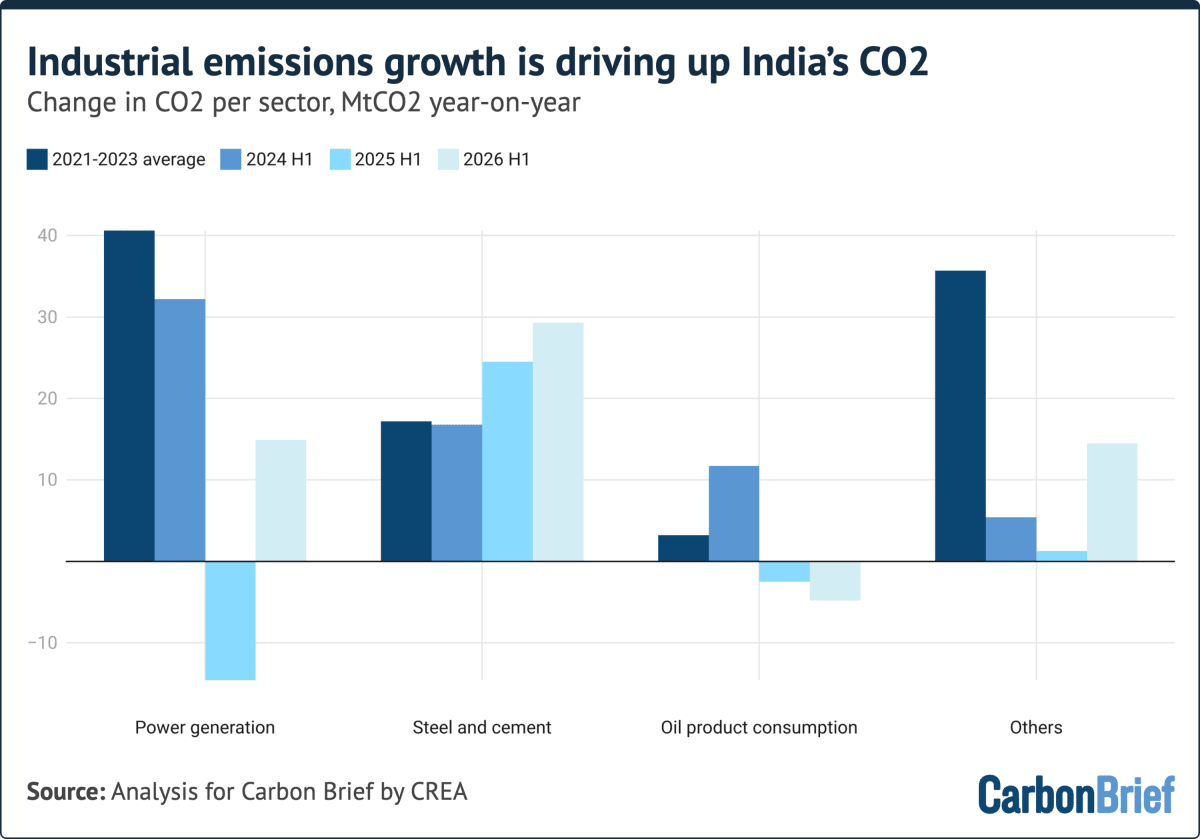
The story isn't perfect. Emissions from steel and cement production grew by 8%, pushing India's overall emissions up by 3.7%. But even this challenge presents an opportunity: India can now focus on electrifying heavy industry, replacing fossil fuels with its growing supply of clean electricity.
What India accomplished shows the world that clean energy transitions can accelerate faster than experts predicted just a few years ago.
More Images
Based on reporting by Carbon Brief
This story was written by BrightWire based on verified news reports.
Spread the positivity!
Share this good news with someone who needs it