India's First Private Rocket Reaches Orbit on First Try
Skyroot Aerospace just made history by launching India's first privately built orbital rocket, achieving what even SpaceX couldn't do in three attempts. The successful mission makes India only the third country with private orbital launch capability.
A seven-story rocket built entirely by a private Indian company roared into space on Saturday, opening a new chapter in the country's space ambitions and proving that homegrown innovation can compete with global giants.
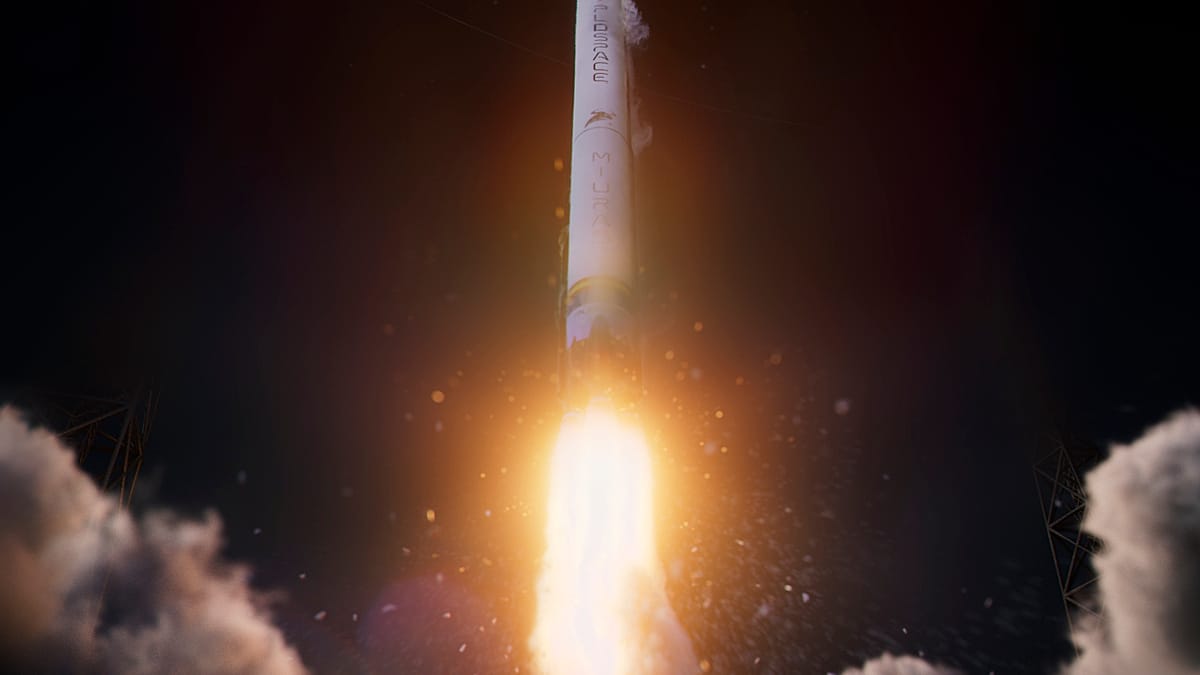
Skyroot Aerospace's Vikram-1 lifted off from Sriharikota at 12:05 PM, carrying payloads to a 450-kilometer orbit in a flawless maiden flight. The Hyderabad-based startup accomplished something remarkable: a successful orbital launch on the very first attempt, a feat that eluded even SpaceX in its early days.
The rocket carried an unusual mix of cargo, including a debris-catching robotic arm, student satellites, and a touching tribute to India's space pioneers. Tucked inside was an 18-karat gold micro-rocket featuring microscopic sculptures of scientists C.V. Raman, Vikram Sarabhai, and A.P.J. Abdul Kalam, each smaller than a grain of rice.
Also onboard was a handwritten postcard from Prime Minister Narendra Modi with the message "Vande Mataram," alongside postcards from engineers, scientists, and astronauts. The mission even included "Cosmic Bloom," a floral artwork, blending art with cutting-edge technology.
Built with an all-carbon composite structure, Vikram-1 features 3D-printed engines and high-thrust solid rocket boosters, all developed in-house. The rocket can carry payloads up to 350 kilograms to low Earth orbit, designed specifically for small satellite operators who need dedicated launches.
This launch comes 46 years after India's government successfully launched its first satellite with SLV-3. What's changed is the landscape: India's space startup ecosystem has exploded from just one company in 2014 to more than 400 in 2025, thanks to reforms like the Indian Space Policy 2023 that opened the sector to private participation.
The Ripple Effect
Skyroot's vision extends far beyond this single launch. Co-founder Pawan Kumar Chandana describes their model as a "cab service to space," where satellite operators can book dedicated launches instead of waiting months or years for shared missions.
This on-demand approach could democratize space access for universities, research institutions, and small companies across India and beyond. The data collected from this test flight will help refine future missions and establish regular commercial launch services.
The successful mission positions India alongside the United States and China as one of only three countries with private orbital launch capability. For a startup founded just a few years ago, reaching orbit on the first try signals that India's private space sector isn't just catching up, it's ready to lead.
Prime Minister Modi personally called the Skyroot team to congratulate them minutes after the successful orbit insertion. The mission director's words captured the moment perfectly: "This mission is a grand success."
More Images




Based on reporting by Google: space mission success
This story was written by BrightWire based on verified news reports.
Spread the positivity!
Share this good news with someone who needs it