India's Gen Z Turns Protests Into Viral Art
Young Indians are rewriting the rules of civic engagement, transforming street demonstrations into creative digital campaigns filled with memes, humor, and pop culture references. Their innovative approach shows how a new generation is finding its voice through laughter and community.
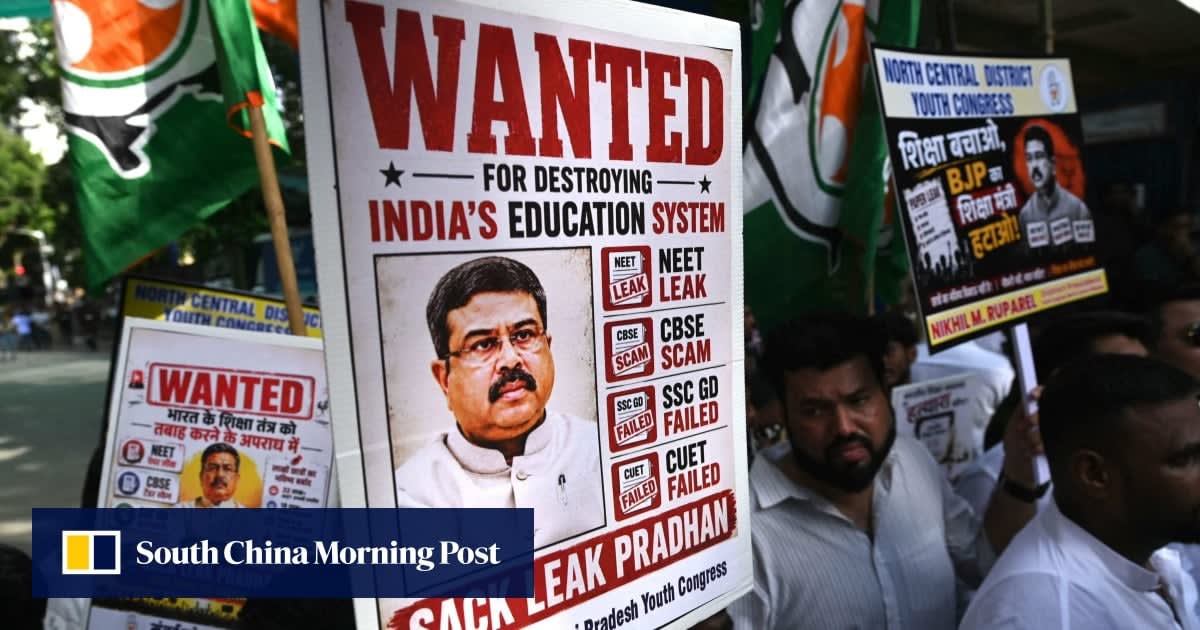
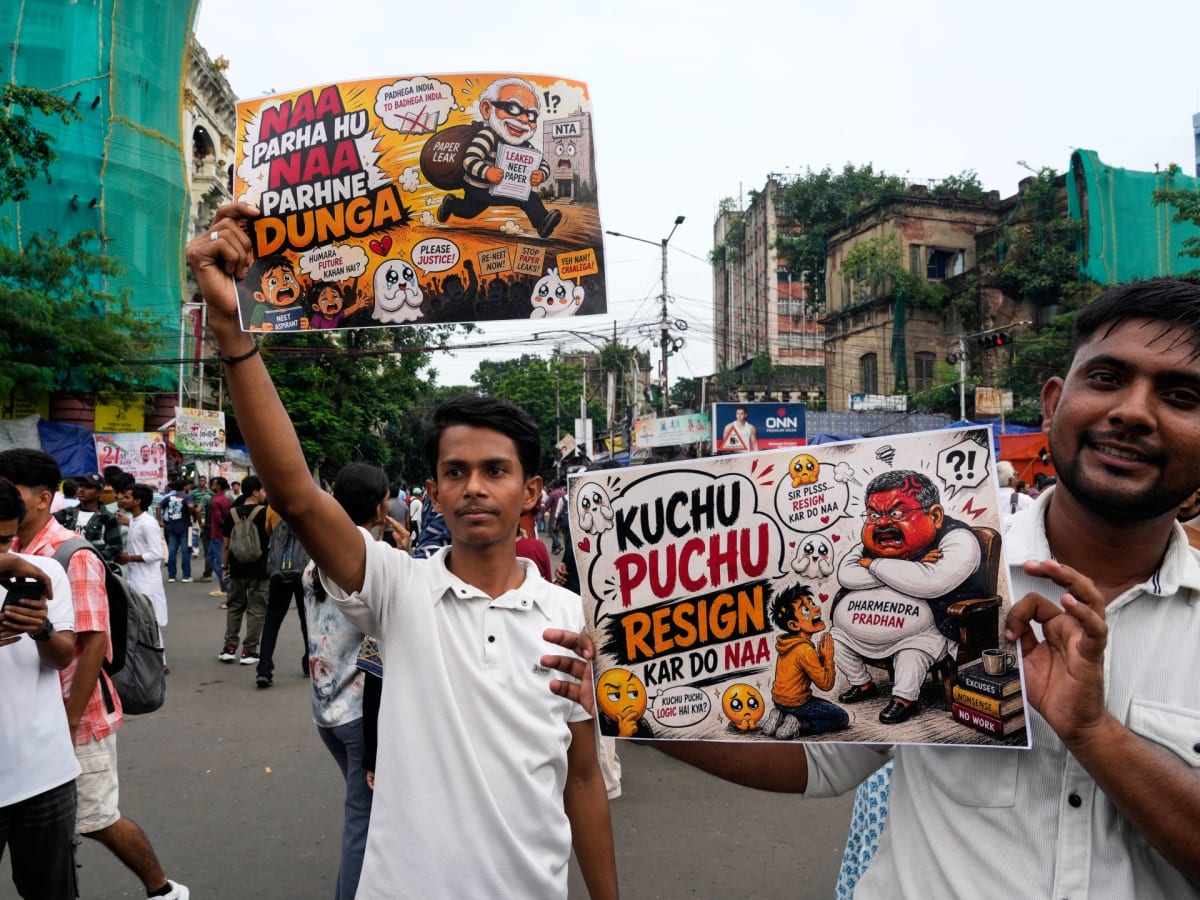
When thousands of young Indians took to the streets demanding education reform last month, they brought something unexpected: a sense of humor that's changing how their generation engages with democracy.
The movement, sparked by exam scandals that threatened students' futures, has evolved into something bigger. Young protesters are blending street activism with digital creativity, turning confrontations into content and frustration into viral moments.
Videos show demonstrators joking about keeping their Strava fitness streaks alive while running from police. Others edited footage of dodging barricades to look like the mobile game Subway Surfers, racking up millions of views.
Young women borrowed from influencer culture, posting "get ready with me" videos before marches and "fit check" posts featuring homemade protective gear. The creativity transformed serious civic action into something their generation could relate to and share.
A 25-year-old protester explained that memes aren't just comic relief—they're a coping mechanism. "Unlike older generations who learned to endure hardship, we have little patience for simply putting up with it," she told reporters.
The Cockroach Janta Party, a satirical group that helped spark the movement two months ago, gave young Indians a new language for expressing themselves. Through humor and internet culture, they've built a community that feels authentic to how Gen Z communicates.
At protest sites in New Delhi, demonstrators wore Spider-Man masks and Batman costumes while carrying clever signs. One poster asked "When will AI take his job?" while another declared "Every joke is a tiny revolution."
A 23-year-old student captured the generational shift perfectly. "We find speeches boring, we are the summary generation," she said. "We have a habit of consuming things in a short span of time, so we're using the same ways to put our message across."
Why This Inspires
This movement shows young people aren't just complaining online—they're building something new. By combining creativity with civic engagement, they're proving that serious activism doesn't require sacrificing the humor and community that define their generation.
Their approach has already led to real change, with the education minister resigning after weeks of pressure. More importantly, they've created a template for how young people can make their voices heard in ways that feel authentic and sustainable.
The protesters represent nearly half of India's population under 25, one of the world's most influential youth demographics. They're showing that democracy can evolve to speak the language of each new generation.
This creative revolution proves that hope and humor aren't obstacles to change—they might be the fuel that sustains it.
Based on reporting by Al Jazeera English
This story was written by BrightWire based on verified news reports.
Spread the positivity!
Share this good news with someone who needs it