India's Gig Workers Training Tomorrow's Robots for AI Labs
A Silicon Valley startup is partnering with Indian delivery and home service workers to collect first-person video of everyday tasks, creating the training data that could teach the next generation of robots. The company just raised $8.2 million to scale what could become a bridge between human workers and the AI economy.
📺 Watch the full story above
Imagine a robot learning to fold laundry by watching thousands of people do it in their homes. That's the vision driving Human Archive, a startup that's turning India's gig economy into an unexpected training ground for artificial intelligence.
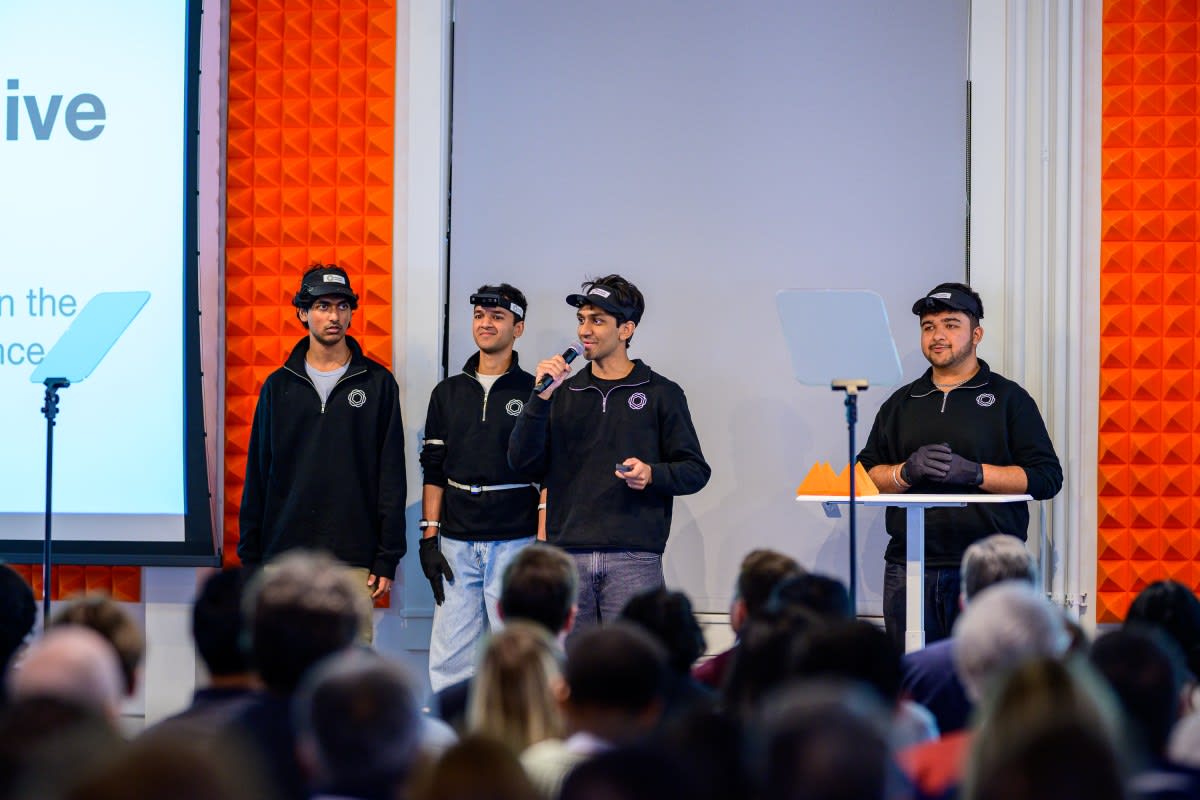
The company, founded by four college students from UC Berkeley and Stanford, is equipping delivery workers and home service providers across India with camera-equipped caps. These devices capture first-person videos of people cooking, cleaning, and performing everyday tasks that AI labs desperately need to teach robots how to work in the real world.
The startup announced Tuesday it raised $8.2 million from Wing Venture Capital, Y Combinator, and angel investors from OpenAI, Nvidia, Google, and Meta. It already has more than 1,000 active headsets deployed across restaurants, hotels, and home service companies.
The business model works through discounts. When a gig worker arrives to deliver food or clean a home, customers can choose a discounted service price in exchange for allowing data collection, or pay full price for privacy. Most customers choose the discount, and the recordings help resolve disputes about service quality.
Human Archive pays workers $1 per hour to participate, creating a new income stream for people already doing these jobs. The company is also developing tactile gloves and motion-capture suits to record not just what workers see, but how they move and apply force to objects.
Not everyone was immediately sold on the idea. Major Indian companies like Urban Company and Pronto declined partnerships, with one founder reportedly calling the concept "stupid." But Human Archive found willing partners among smaller startups and has continued expanding its hardware capabilities.
The Ripple Effect
The real innovation here isn't just about robots. It's about creating a pathway for workers in developing economies to participate in the AI revolution before automation potentially impacts their jobs.
By collecting this data now, gig workers are literally teaching the machines that may one day perform similar tasks. The income they earn and the skills they develop in this process could help them transition as automation advances.
AI labs and universities are lining up to access this unique dataset. Partner Zach DeWitt from Wing VC notes that no one else has synchronized this many different types of sensors at scale, making the data particularly valuable for training more capable robots.
The startup plans to release a major dataset soon and is already fine-tuning AI models with its own data to demonstrate quality to potential customers. It's also testing those models on actual robots to prove the training works.
Human Archive sees itself building infrastructure for what it calls "a critical bridge that funds immediate livelihoods while building the infrastructure for" the future of work. The phrase captures the delicate balance between embracing technological progress and supporting the people whose labor makes that progress possible.
India's booming gig economy, with its millions of workers performing everyday tasks, represents exactly the kind of real-world data that robotics has been missing, and these workers are now at the center of training the next generation of AI.
Based on reporting by TechCrunch
This story was written by BrightWire based on verified news reports.
Spread the positivity!
Share this good news with someone who needs it