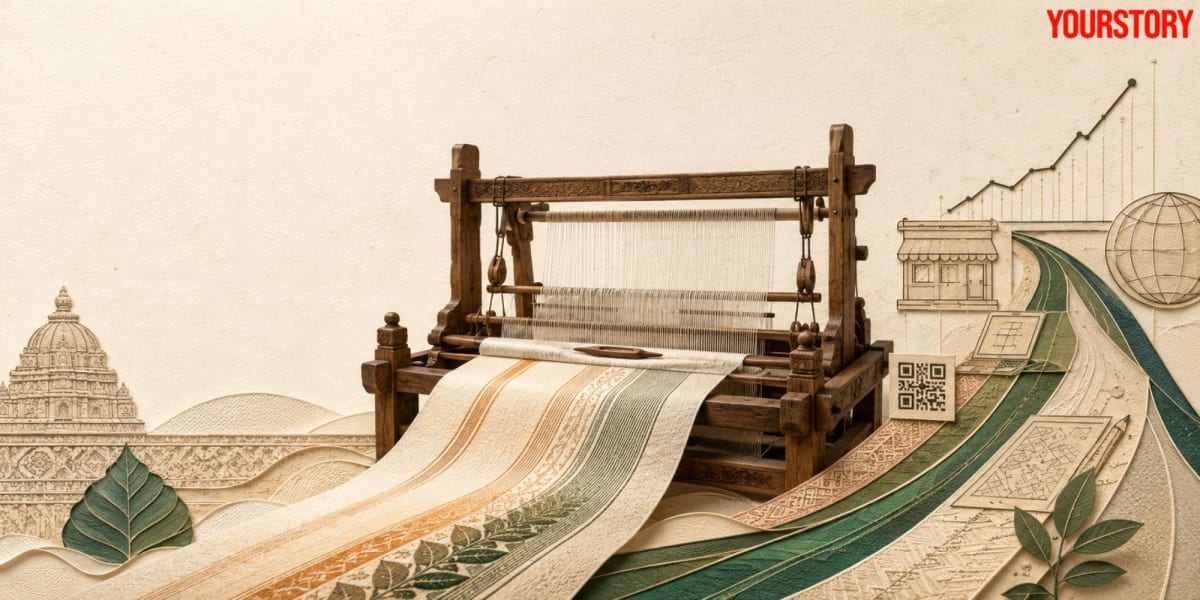
India's Handloom Weavers Find Hope in Design Revolution
Young weavers are returning to their looms as entrepreneurs transform India's 3.5 million-strong handloom sector from struggling craft into competitive creative industry. The shift from sympathy to smart positioning is bringing dignity and steady income back to ancient weaving families.
A weaver in Bhagalpur once told an observer his son left for Mumbai to work as a tailor because weaving no longer provided stable income. That story, repeated across India's handloom communities, reveals the real crisis: young people don't hate the craft; they just can't survive on it.
But a new movement is rewriting that ending. Entrepreneurs and designers are helping India's 3.5 million handloom artisans compete not on price, but on what machines can never replicate: authenticity, cultural heritage, and human creativity.
The problem was never powerlooms. It was positioning.
For decades, handloom tried competing with industrial fabric on cost and volume, a race it could never win. Now a smarter strategy is emerging: tell the story behind every thread. Each handwoven piece carries centuries of indigenous knowledge, sustainable materials, and irreplaceable human skill.
Global consumers increasingly want products that are handmade, sustainable, and traceable. India already has all three strengths but rarely communicates them effectively.
The solution spans three market segments working together. Affordable everyday handloom serves mass markets, contemporary mid-premium pieces attract design-conscious buyers, and luxury heritage collections command premium prices. This range lets more people participate while ensuring higher incomes for skilled artisans.
India already built the infrastructure needed for this transformation. Weaver Service Centres exist nationwide with technical resources and design expertise. What they need now is accountability measured by real outcomes: products launched, orders converted, and artisan earnings increased.
The Ripple Effect
The next wave belongs to craft-focused startups adopting weaving clusters across India. These young companies provide design support, contemporary product development, digital sales channels, and direct market connections. Every successful startup generates orders, orders create income, and income restores the dignity that keeps young weavers at their looms.
Technology enhances rather than replaces tradition. AI design tools, QR traceability, and digital product passports build customer trust and global competitiveness while preserving completely handmade production. Design schools, startups, and artisans now collaborate year-round instead of meeting only for exhibitions.
The Fourth All India Handloom Census counted households and registered weavers, but the sector now tracks better metrics. How many weavers work full-time? How many young people are entering? What do artisans actually earn annually? How many women lead weaving enterprises?
These numbers reveal true sector health and guide where support matters most.
India doesn't choose between preserving heritage and building modern business anymore. When innovation meets craftsmanship and entrepreneurship meets artisanship, handloom transforms from welfare sector into globally competitive creative industry. The future won't be secured by subsidies alone but by design, branding, market access, and fair value for the hands that weave India's living history.
More Images




Based on reporting by YourStory India
This story was written by BrightWire based on verified news reports.
Spread the positivity!
Share this good news with someone who needs it